This Was is Jethro Tull’s 1968 debut album.
Many consider it a minor album; I absolutely don’t think so. It’s not on the level of the later ones if we really want it to be a prog album; those, as prog, had far more defined traits. This is another genre: ’60s blues singer-songwriter music, blending rhythm and blues with jazz elements and, surely, a huge dose of wonderful folk.
These are the origins, the point they started from, and I must say they did it brilliantly; in my view this debut album is excellent, at times spectacular.
“This Was” is the band’s only album featuring guitarist and co-founder Mick Abrahams, and its sound is quite different from the classic Tull records led solely by Ian Anderson’s flute. Here, Mick Abrahams’ guitar is the real star, backed by jazz influences and harmonica.
The group’s name, among other things, was suggested by their agent and is inspired by a famous 18th-century English pioneer and agronomist, as better described in the profile dedicated to them.
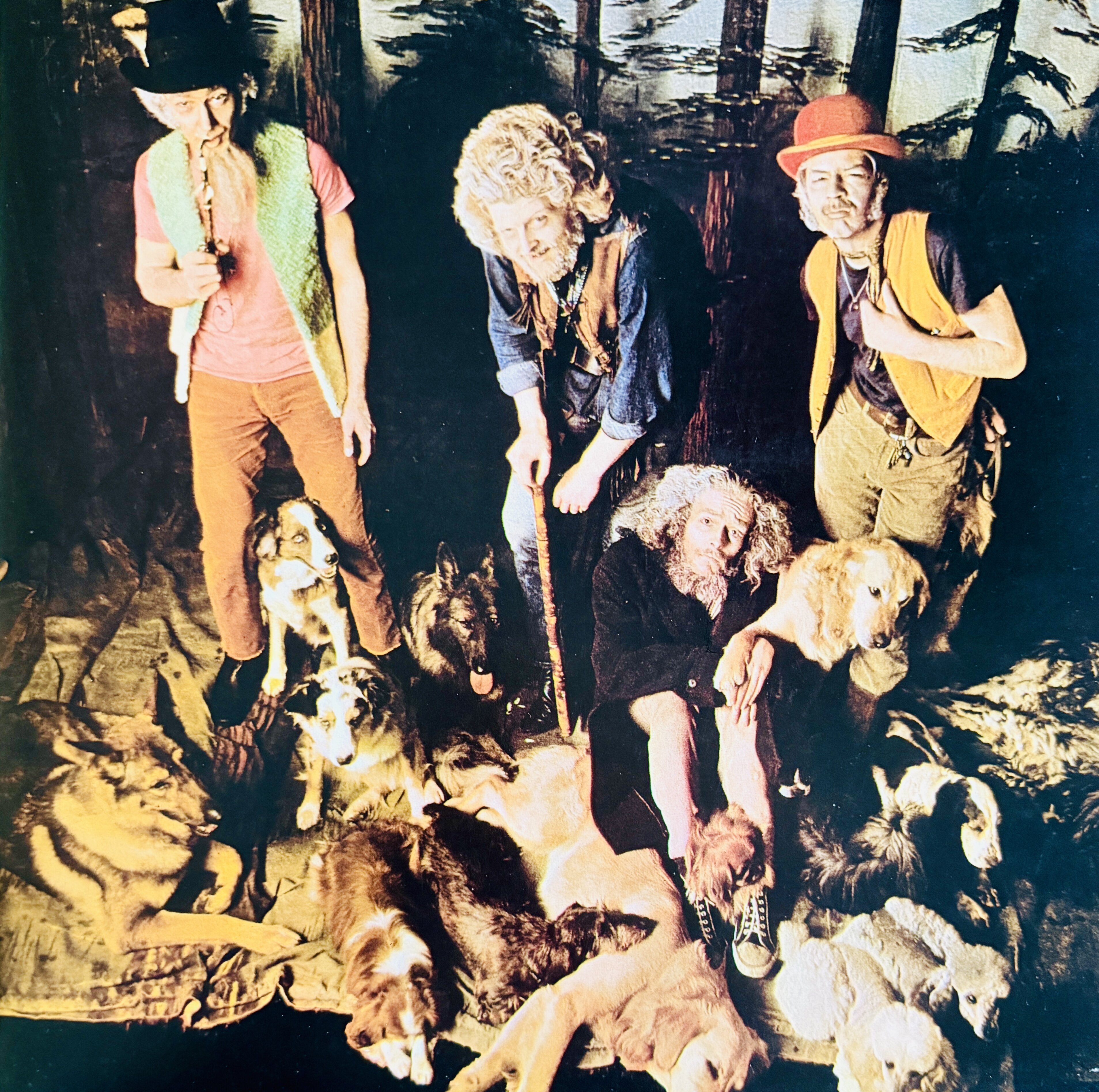
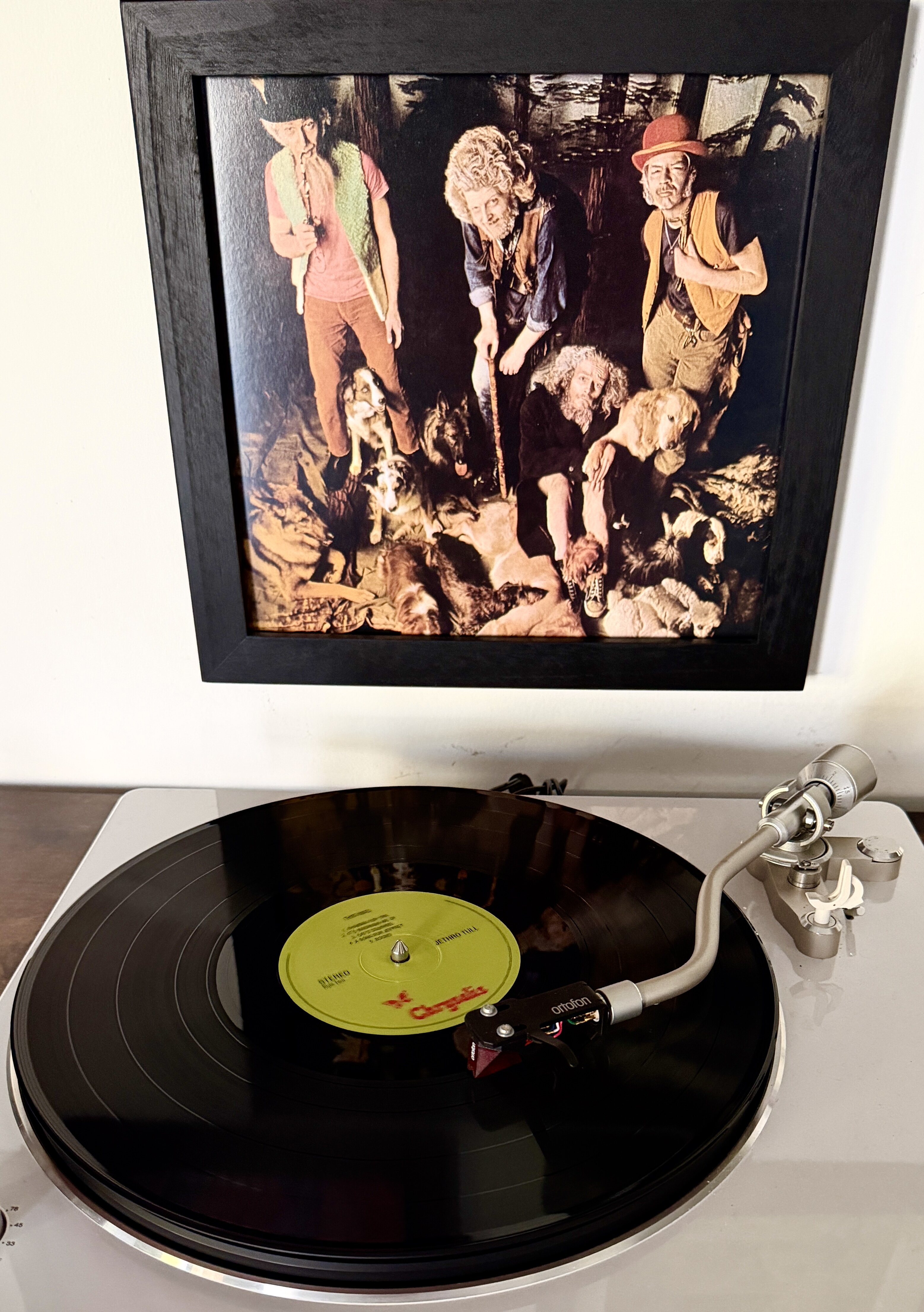
The core idea of “This Was” is contained in its title, chosen with a touch of irony by Ian Anderson: “This was”, to stress that the album was already a memory the very moment it came out. The band knew their blues sound was only a starting point. The title made it clear they were already turning toward different sonorities, like folk and progressive. Jethro Tull wanted to break with convention. Instead of presenting themselves as young rock rebels, they chose to be pictured on the cover dressed as old tramps in the company of dogs.
The cover and the title went against the grain of the psychedelic, flashy 1968 aesthetic. It was a way to state that their music wouldn’t bend to the trends of the moment.
The record represents the compromise and conceptual clash between guitarist Mick Abrahams’ traditional blues and flautist Ian Anderson’s first jazz and folk forays.
After the album’s release, which reached number ten in the UK chart, artistic differences emerged that led to Abrahams’ departure. Martin Barre came in his place, a line-up change that then pushed Jethro Tull toward their famous folk and progressive rock sound on the next album “Stand Up”.
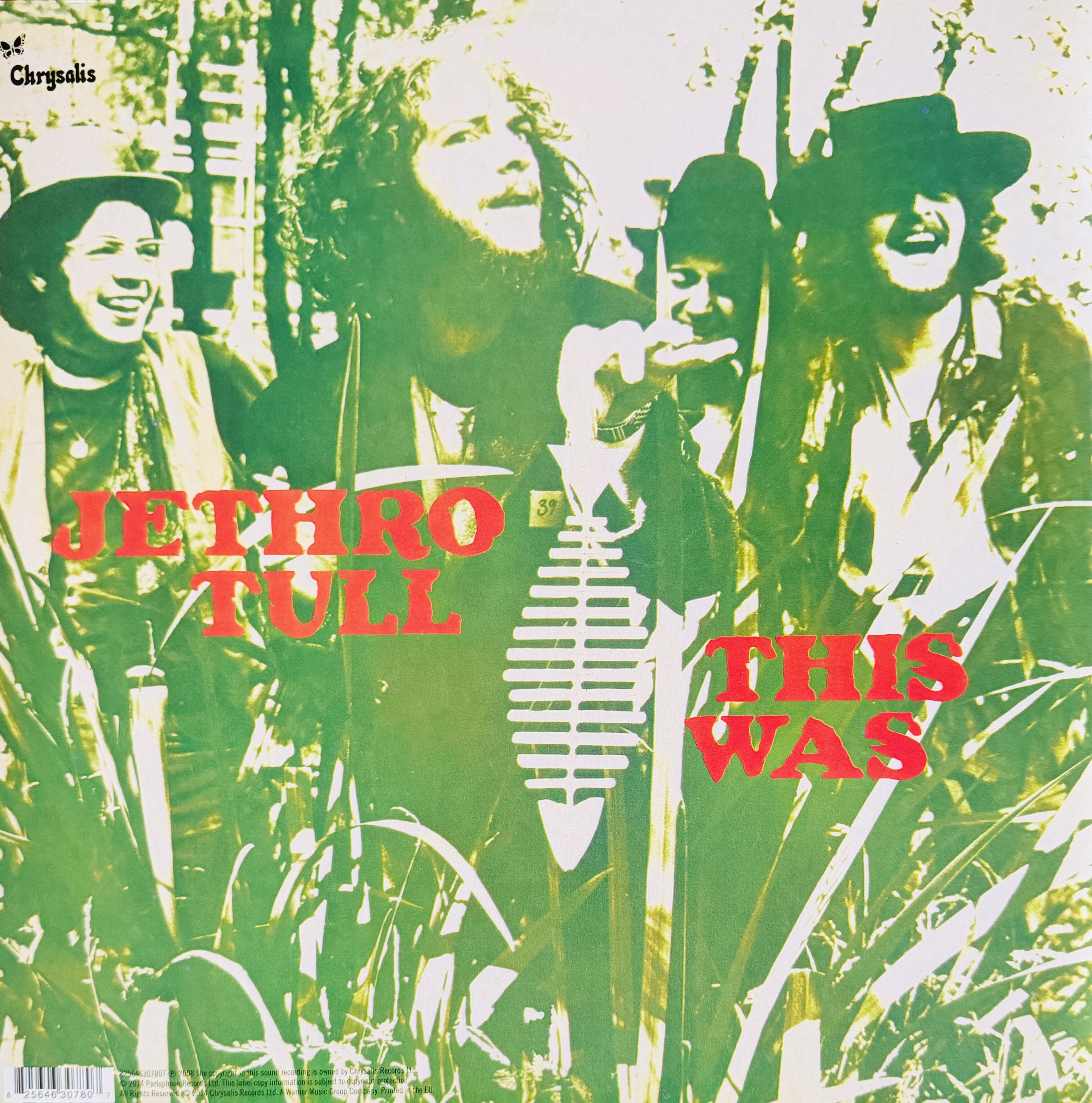
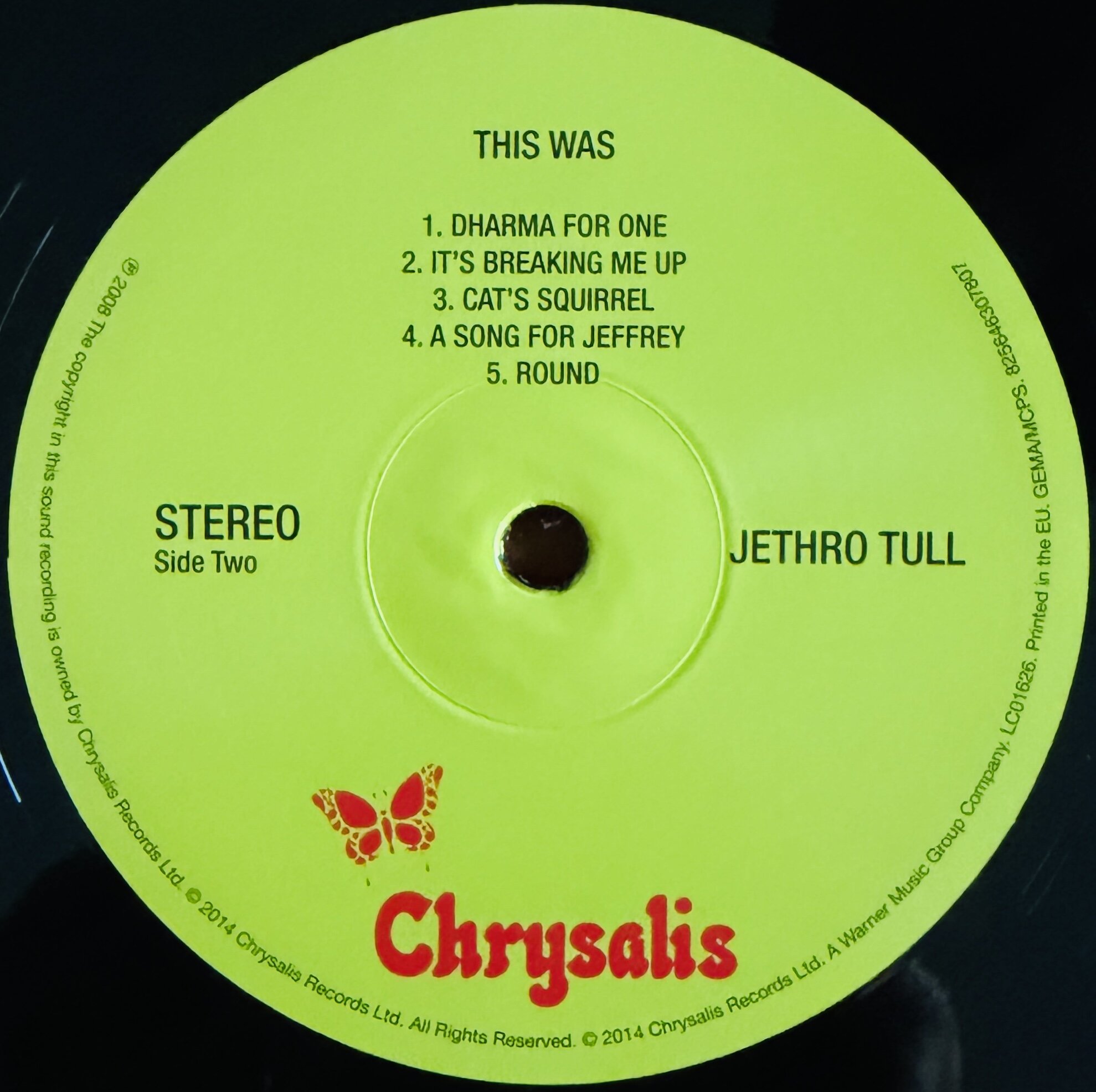
I have the 180-gram vinyl reissue 0825646307807. It starts from the new 2008 stereo mix, done by sound engineer Peter Mew.
“My Sunday Feeling” opens the album with a fast-driving Blues, immediately showing the band’s intent to break away from static blues, opting for a livelier, more hard-hitting sound. Ian Anderson’s opening scream and the syncopated riff between flute and guitar are the highlights of this track. The rhythm section—Glenn Cornick on bass and Clive Bunker on drums—pushes the song with incredible drive, while Anderson’s flute delivers an energetic, gripping performance.
“Some Day The Sun Won’t Shine For You” is a piece that wraps you up in its Country Blues; the mood is intimate and a bit rough, with Anderson and Mick Abrahams intertwining perfectly between voice and instruments. Anderson plays a mouth harmonica, while Abrahams shows all his class on acoustic guitar. Their voices blend in the verses, creating an evocative atmosphere.
“Beggar’s Farm” is one of the album’s highlights, a real journey into a dark, mysterious world that anticipates the sound the band would develop in the years to come. It’s a hypnotic Blues Rock, with a central time change that breaks the slowed blues cadence and spills into a jam. Abrahams’ electric-guitar solo is simply monumental, rich in sustain, while Cornick’s pulsing bass line provides the perfect foundation for the whole track.
“Move On Alone” is the record’s most unusual track, an orchestral Pop-Folk full of energy, influenced by the pop of those years and enriched by a brass section arranged by David Palmer. The unusual use of brass and the solo vocal performance, which isn’t Anderson’s, are the real treats of this song. It’s the only piece entirely written and sung by Abrahams, whose voice fits perfectly with the horns, while Anderson enjoys the moment accompanying on guitar.
“Serenade To A Cuckoo” is a charming instrumental track that shows all of Anderson’s love for jazz. It’s a cover of Rahsaan Roland Kirk. The central flute solo is the high point, where Anderson uses for the first time the sing-flute technique (singing while playing the flute). Anderson is simply fantastic, while Bunker accompanies with a jazzy, ultra-light touch on the cymbals, following the dynamic shifts.
“Dharma For One” is a sweeping piece of psychedelic Hard Rock and instrumental Heavy Blues. It’s visceral rock with a strong acid edge. It’s Bunker’s track: his drum solo is incredibly coordinated and powerful. Anderson adds a final touch with an unusual clavioline (a precursor to the synthesizer).
“It’s Breaking Me Up” is the most classic, traditional Blues track. Electric guitar and distorted harmonica are the highlights. Abrahams is in his element, with tasteful blues riffs and micro-solos, while Anderson answers with warm harmonica forays.
“Cat’s Squirrel” is a shot of pure adrenaline, an instrumental Blues Rock that turns into an electric gallop. The wild, tight interplay between lead guitar and drums is the high point. Abrahams rules the track, with lightning-fast, distorted solos, backed by Bunker’s frantic drumming. Anderson does not play on this track.
“A Song For Jeffrey” is a real little gem dedicated to Ian Anderson’s childhood friend, Jeffrey Hammond, who would later become the band’s bassist. It’s one of the songs that best represents the unique sound of early Jethro Tull, with an almost hypnotic rhythm. The distorted effect on Anderson’s voice, singing through a harmonica microphone, and the flute riff that acts as the thread are the highlights. Anderson outdoes himself, combining filtered voice, flute and harmonica, while Cornick’s bass creates a fundamental melody that supports the track’s slightly off-kilter structure.
“Round” is a very short instrumental track, just 50 seconds, that closes the album in a sweet, acoustic way—an abrupt shift from the electric chaos of the previous song to the calm of this folk fragment. A delicate acoustic weave with Anderson on flute and Abrahams on guitar that marks the end of their brief but important collaboration.
Before listening you think it isn’t one of the best, but then you listen and every time you completely change your mind. It hints at what the band’s sound will be in many moments, but taken on its own it’s definitely a truly great album; if you don’t think about the future and just listen to it, it’s a wonderful present, a magnificent beginning. Also, it’s an album where Ian isn’t really the band’s main part, in my view. His ever-growing, steady leadership surely gave the band great success later on, but here he seems very integrated with the group and the dynamics within the band feel more balanced. In my opinion, one to have in the collection.
My Version
Label: Chrysalis – 0825646307807
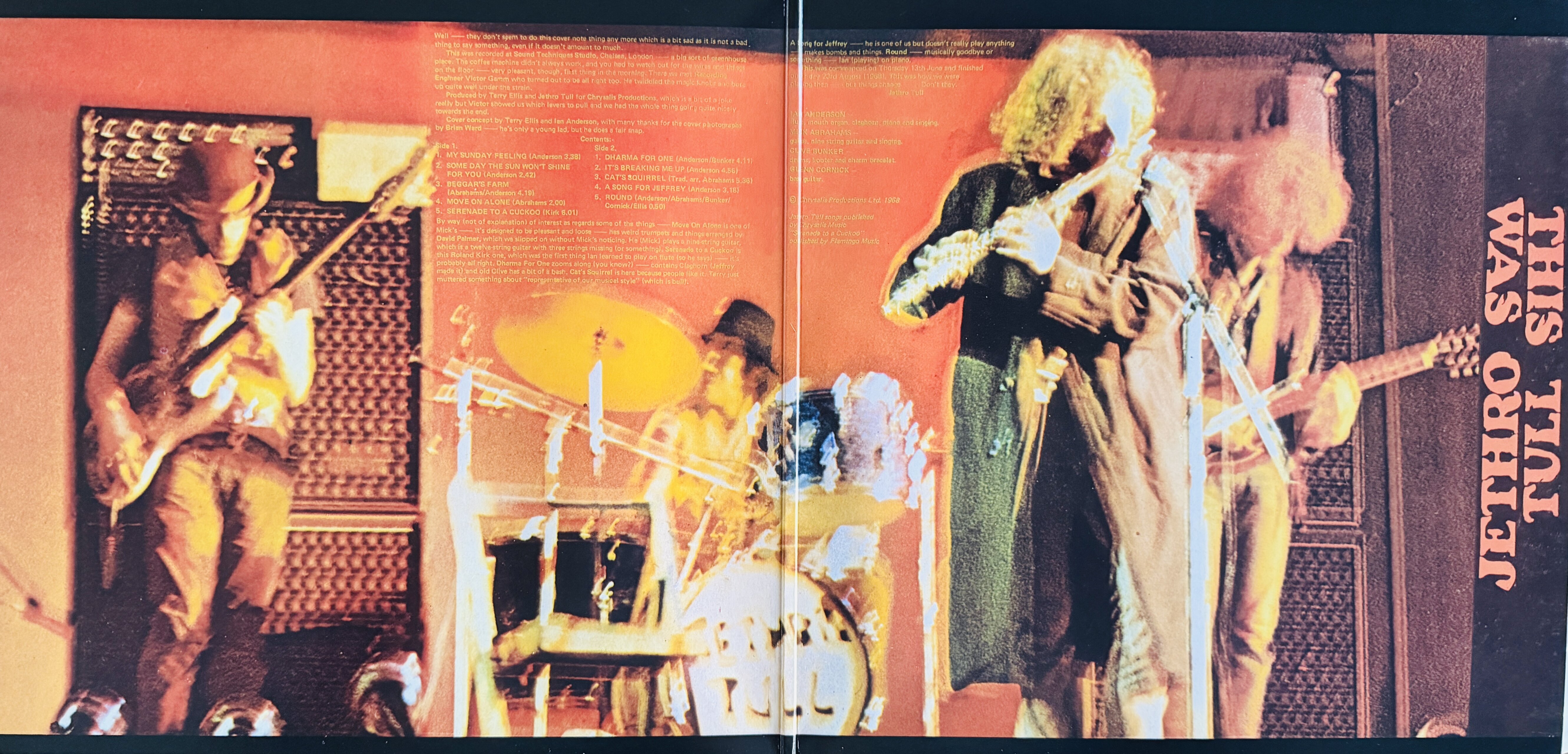
Format: Vinyl, LP, Album, Reissue, Stereo, Remix, 180 Gram, Gatefold
Country: UK & Europe
Released: Jun 2014
The Tracks
1. My Sunday Feeling (3:42)
2. Some Day the Sun Won't Shine for You (2:49)
3. Beggar's Farm (4:20)
4. Move On Alone (1:59)
5. Serenade to a Cuckoo (6:11)
6. Dharma for One (4:16)
7. It's Breaking Me Up (5:05)
8. Cat's Squirrel (5:44)
9. A Song for Jeffrey (3:23)
10. Round (0:49)
Duration 38:18
The Line-up
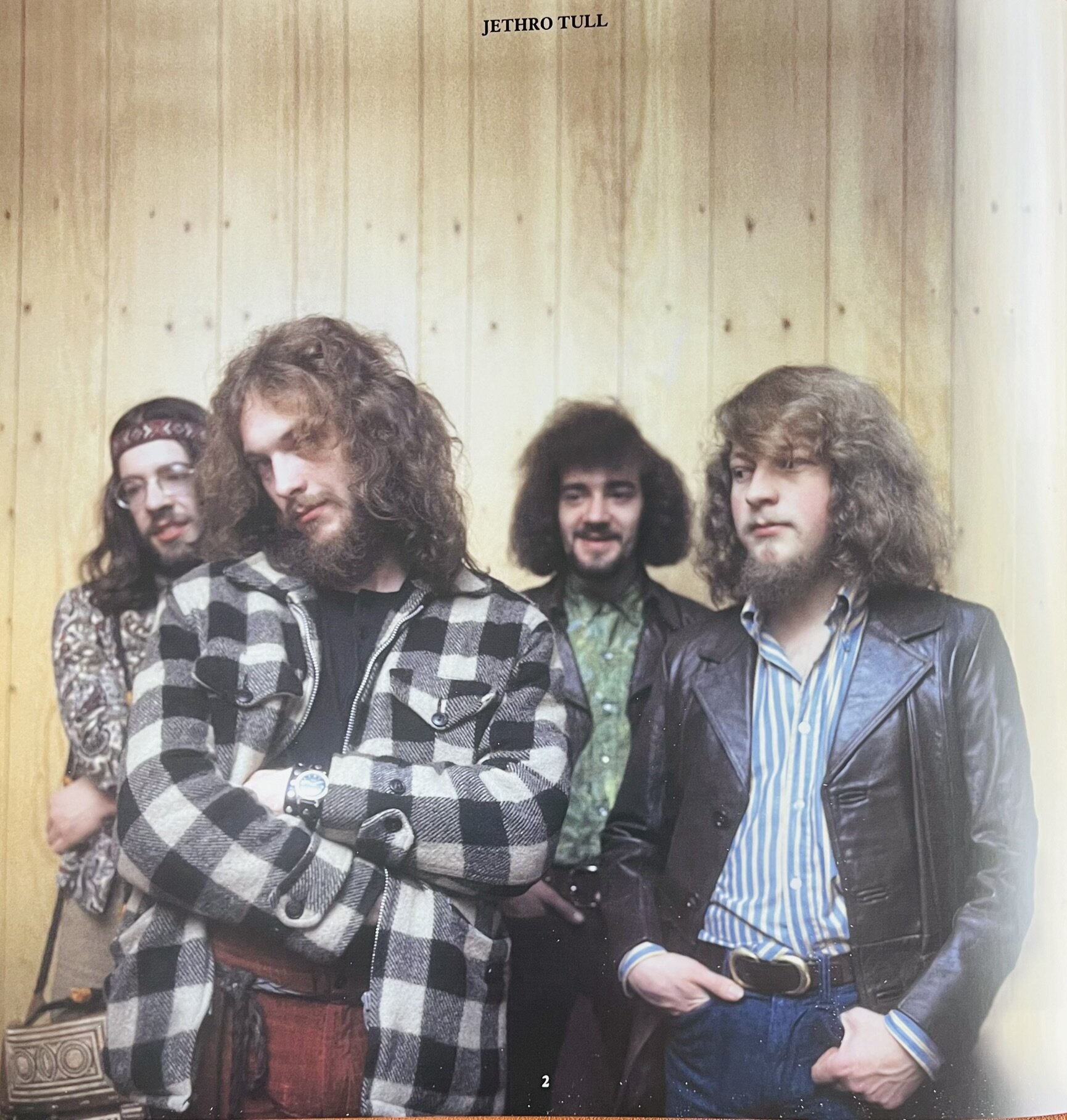
- Ian Anderson - vocals, flute, harmonica, "claghorn" (6), piano (10)
- Mick Abrahams - guitar, 9-string guitar (4), lead vocals (4) and backing vocals
- Glenn Cornick - bass
- Clive Bunker - drums, melodica, charm bracelet
With:
- David Palmer / brass (4), arranger and conductor
Note: All links to the musicians’ works are in the TAGS under the article title or on the "Artists" page