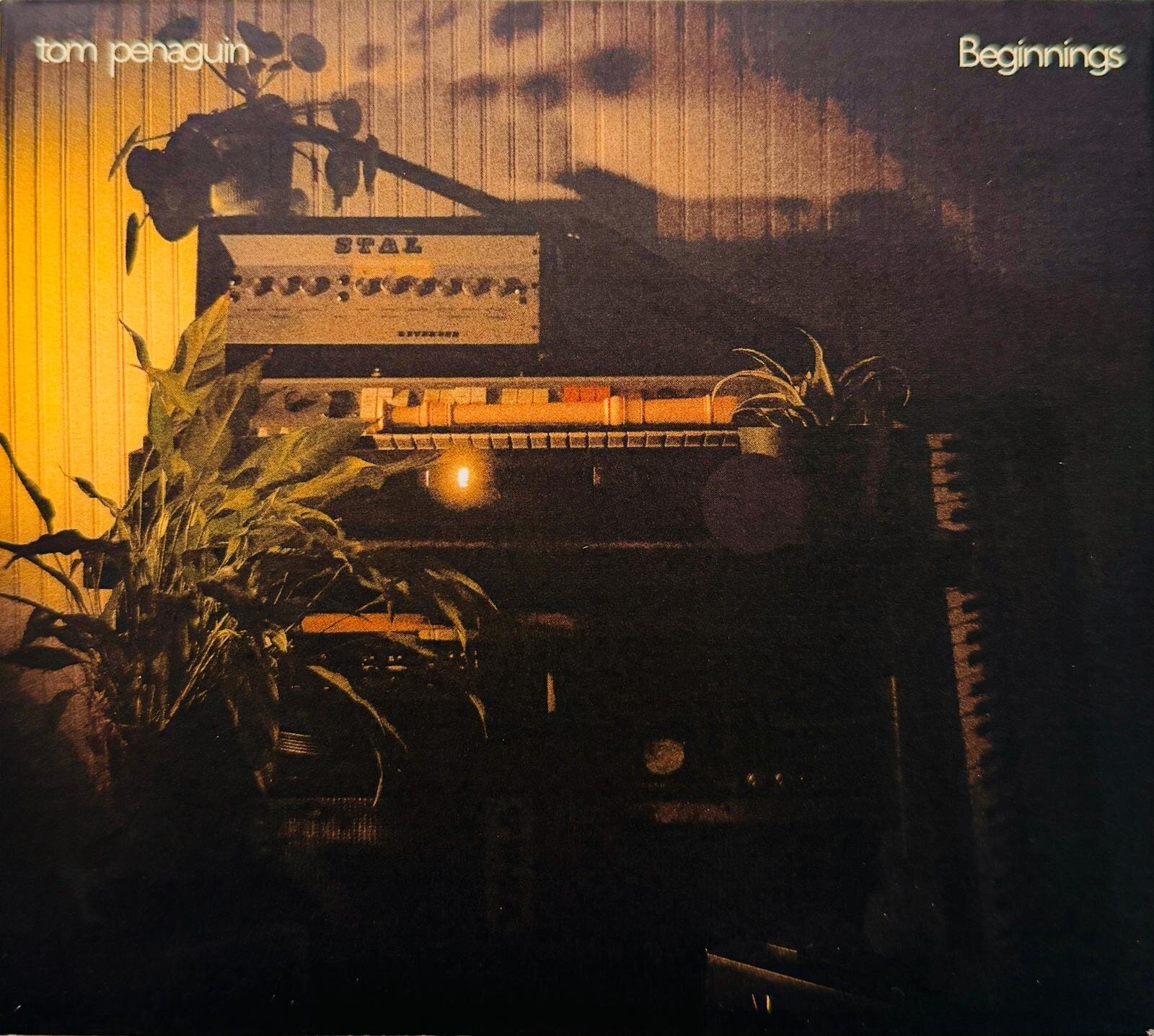
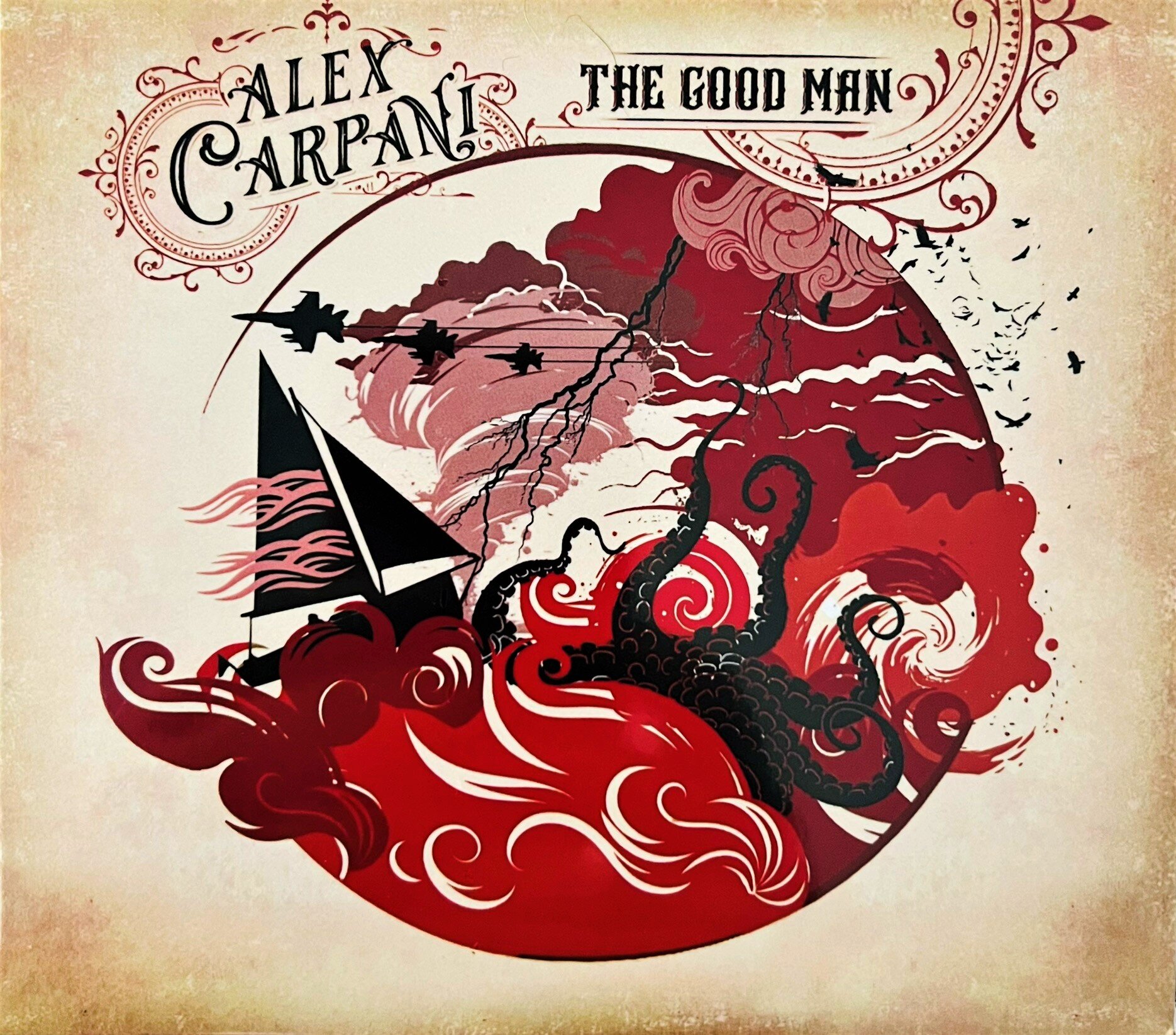
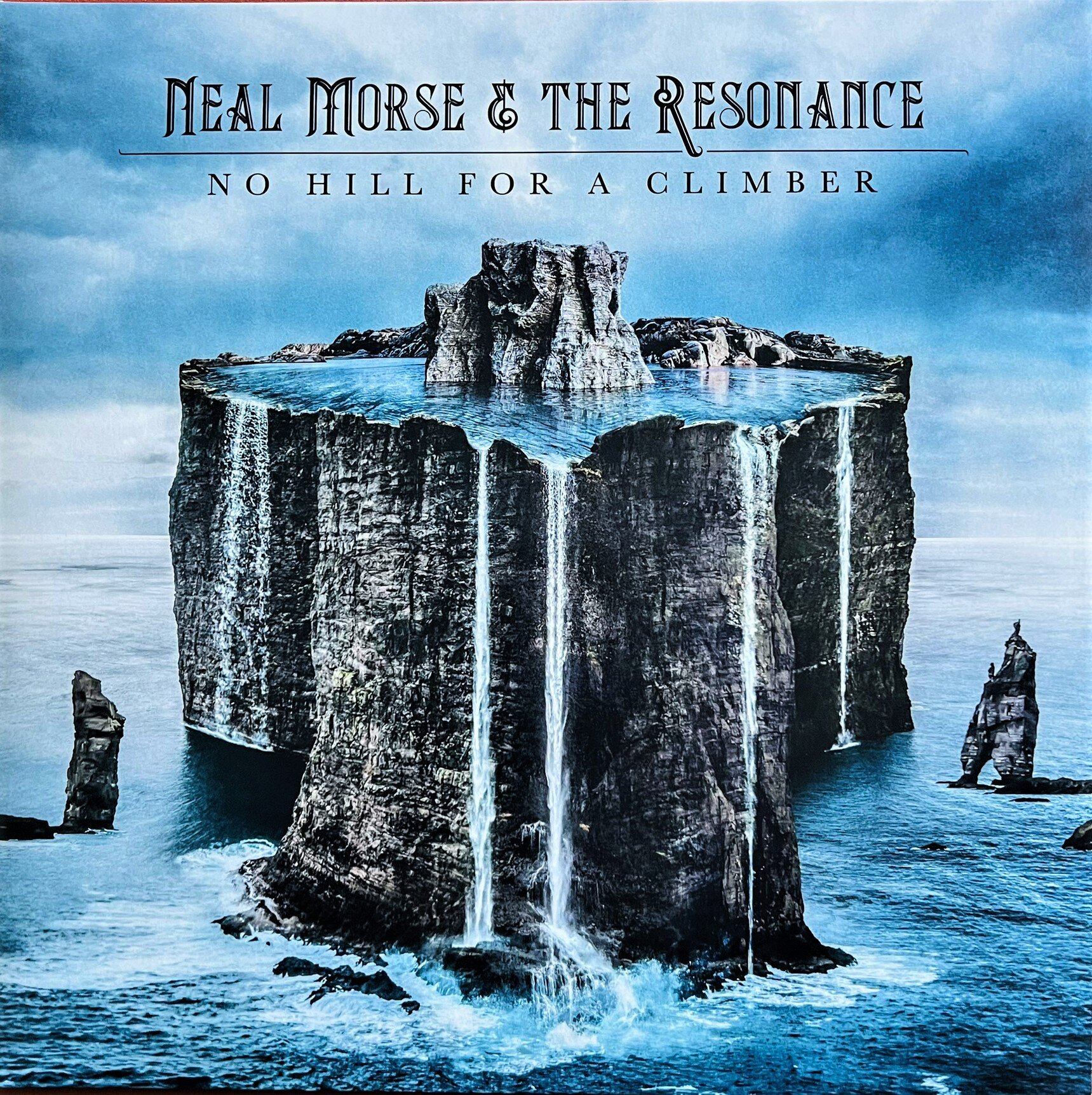
.jpeg "The Road of Bones by IQ")


.jpeg "Subterranea by IQ")
.jpeg "Lateralus by TOOL")


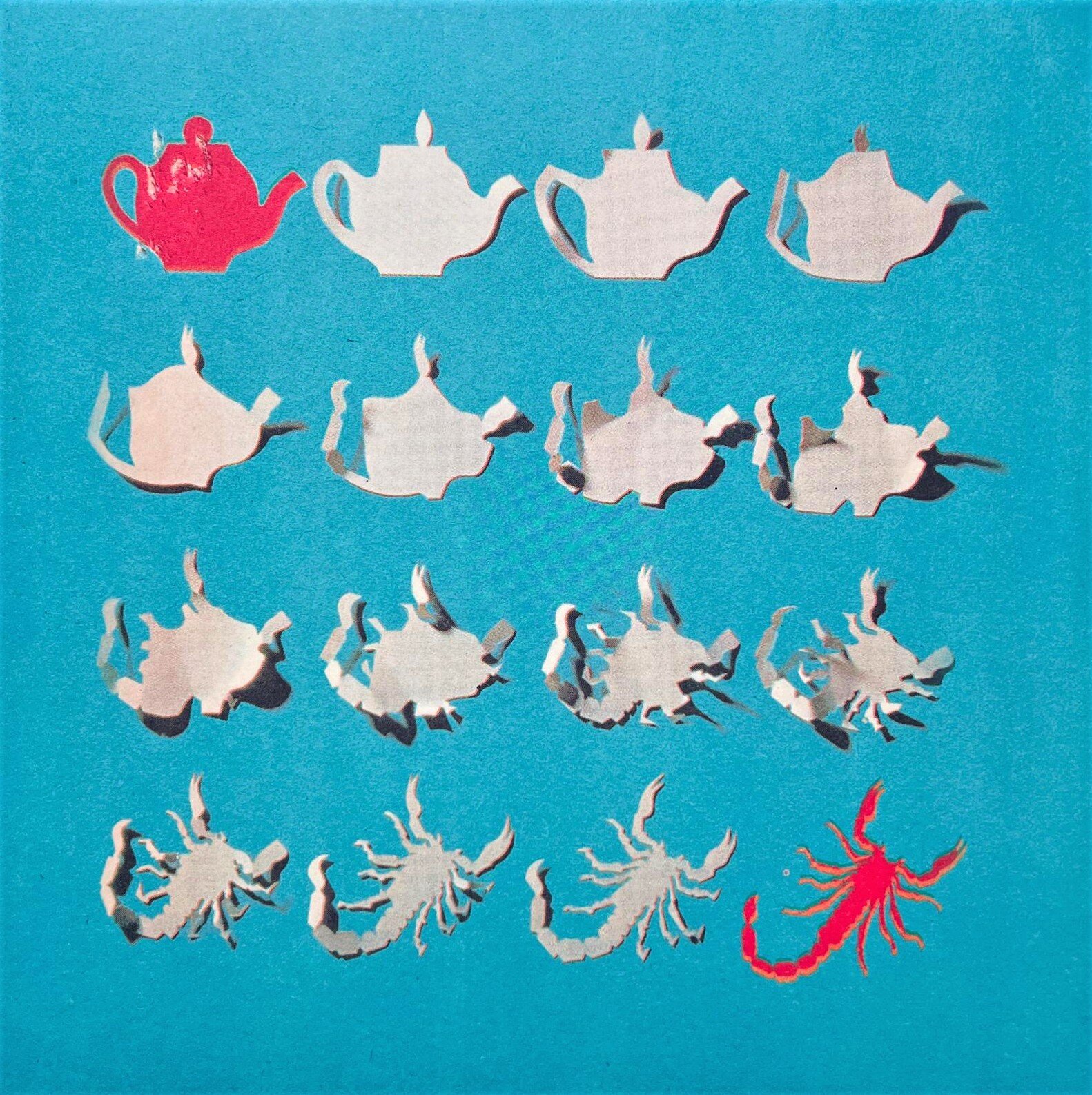
ZOPP self-titled debut album, released in 2020.
ZOPP is a project founded by multi-instrumentalist Ryan Stevenson around 2010 in Nottingham, England. Originally inspired by the 1970s Canterbury scene, the project has evolved to incorporate influences from classical composers such as Stravinsky and Steve Reich, as well as ambient music and a strong influence from 1970s symphonic rock.
The sound is characterized by complex tempos, fuzz organ, catchy melodies, and ambient interludes.
It's essentially a duo that, in addition to Ryan Stevenson, includes drummer Andrea Moneta of Leviathan and, on this album, producer Andy Tillison of The Tangent, as well as numerous guests, including the great Theo Travis, who played in King Crimson but also on Until All The Ghosts Are Gone by Anekdoten, The Sky Moves Sideways and Stupid Dream by Porcupine Tree, and 4 ½ by Steven Wilson with his splendid flute and Caroline Joy Clarke on vocals, and Mike Benson's excellent tenor saxophone.
An extremely complex, entirely instrumental album of progressive rock that blends the sound of the Canterbury scene with '70s symphonic rock, requiring many listens and a trained ear to perceive all its characteristics.
Unlike other reviewers, I consider it an excellent album, but in my opinion it doesn't reach the level of excellence or masterpiece for a few specific reasons.
It's certainly a magnificent work, which is already rare these days, and a very ambitious album, but it leaves a sense of incompleteness in its choice of a precise direction, which prevents me from clearly classifying it. This applies not only to the album as a whole, but also to the individual tracks.
Strong and admirably executed, the components of the two predominant genres, Canterbury and Genesis-esque Symphonic Rock, coexist, components that, in my opinion, are not perfectly integrated with each other and sufficiently developed.
I see them as individual raw gems, of enormous intrinsic value, not yet polished and shining, gathered in a beautiful velvet bag that contains them but which have not yet taken the form of a jewel and do not shine with the light they should, which in my opinion they deserve.
This makes the album not only difficult to listen to (as often happens in prog, so nothing strange or negative) but also difficult to remember due to the lack of a pattern, a scheme, or a structure in almost every song, which, however complex it may be, in my opinion must exist to give meaning to a composition.
It's a riot of beautiful ideas waiting to be developed, among which melody has almost no place (and this too is part of prog), but there is plenty of it, perhaps too much in some songs, in the keyboard and piano riffs, the breaks, the tempo changes, the interludes, the guitar solos, and the virtuosity on each instrument (though never exaggerated), all necessary components and always well executed on this album. However, harmonies are missing, so the songs are cold and very technical, and the listener's involvement revolves around understanding the song, the amazement—often at an unexpected and unexpected change—and its complexity, when I believe the emotional component provided by the melody and harmonies is fundamental.
Some notes on the tracks:
- The album opens with "Swedish Love," a short intro with electronic sounds followed by a beautiful keyboard riff that introduces the second track.
- "Before the Light" features a sustained and compelling tempo, with keyboards and drums engaged in a slow progression with a 1970s vibe and numerous breaks and tempo changes. The keyboards have a Genesis-esque sound, alternating with Canterbury-like atmospheres, with sustained tempos and a beautiful electric piano, a beautiful electric guitar riff that owes something to Steve Hackett, and pressing progressions.
- "Eternal Return" has an epic opening, a complex song with a "Hackettian" sound, featuring dissonant guitars and intense, rich keyboards, moments of suspension with synth sounds and guitar incursions. The epic atmosphere runs throughout, blending symphonic rock and Canterbury, fading into light guitar sounds and atmospheric keyboards.
- Sanger has a splendid opening of keyboards and bass in slight dissonance and a jazzy initial mood, but baroque interludes and digressions into symphonic rock appear, with beautiful counter-tempos. There is a remarkable alternation of atmospheric solutions and complex piano, guitar, and drums parts in close tempos, tense and interlocutory atmospheres, a beautiful keyboard-drums break, and a lovely section with a tense choral atmosphere. A beautiful piece, complex but deconstructed, without a clear pattern in the alternation of sections with different styles and atmospheres, which ends smoothly with a sweet piano riff.
- Sellanrå begins with distant keyboard sounds that gradually approach, a carpet of light sounds that vary in intensity until the piano enters with an incomplete and suspended progression, while another piano line creates a serene and engaging warble, keyboard and piano lines overlap, and light electric guitar riffs make sporadic incursions. A very atmospheric keyboard exercise of the highest quality.
- V opens with a tense atmosphere, centered on electric piano and drums, in a progression overlaid by a Canterbury-style keyboard line. The mood shifts from tense to ambient, keyboards that then become Genesis-esque, and the overall atmosphere is dense in transport and compact in sound, with a beautiful, light keyboard solo. Excellent drum and bass work, precise and never intrusive throughout the album. There's an epic phase that builds in the second half, with unique sound choices that outline a tense and pressing atmosphere toward the end. An alternation of keyboard styles and a beautiful atmosphere at the end, both interlocutory and intense.
- Being and Time opens with beautiful intensity, featuring guitar and a Genesis-esque keyboard undercurrent that continues with considerable complexity throughout the song until a stronger, more decisive phase destructively breaks in, changing the mood, which then returns to the initial style at the end.
- Zero begins with a pressing keyboard riff and great drum and bass work that establish a sustained tempo. A very complex and compelling song, more structured than the others, it features beautiful keyboards, with a moment that is both tense and epic.
- The Noble Shirker closes the album, opening with suspended, ethereal sounds that follow one another uninterruptedly before the song's epic start, creating a broad, enveloping atmosphere with a beautiful guitar part. This song is more structured than the others and more melodic, with an underlying theme that seems more present with varying levels of intensity.
Beautiful sax playing introduces a 1970s feel and density.
A monumental work, it's, in my opinion, a sort of sequence of splendid moments that deserved a different aggregation and development, with very different atmospheres within individual songs, resulting in sudden shifts in tempo, mood, and often sound, leaving something unfinished. A compelling theme remains unfinished, incomplete, when I often wished it had been expanded upon to fully enjoy it. This lack of a clear direction is resolved on the next album, Dominion, which seems to be heading decidedly toward Canterbury. I consider it superior to this self-titled album, an evolution, or at least a clear step on a journey that promises to be spectacular. Great band!
Note: All links to the musicians' works are in the TAGS under the article title or on the "Artists" page.
Tracklist
1. Swedish Love (1:32)
2. Before the Light (6:05)
3. Eternal Return (5:06)
4. Sanger (3:20)
5. Sellanrå (3:29)
6. V (6:37)
7. Being and Time (4:33)
8. Zero (4:52)
9. The Noble Shirker (9:19)
Duration 44:53
LineUp
- Ryan Stevenson - keyboards, Mellotron M4000D, Hammond organ, Arturia analog synthesizer, Korg CX-3 organ, piano, Hohner Pianet T, bass, electric guitars, Nord Electro synthesizer, vocals, sound design, noises, field recording, percussion
- Andrea Moneta - drums and percussion
With:
- Andy Tillison - piano (6), Hammond organ (3), Leslie processing (2, 5, 6), synthesizer (4), effects (3, 9), co-producer (3, 6, 9)
- Theo Travis - flute (6)
- Caroline Joy Clarke - vocals (1, 7, 8)
- Mike Benson - tenor saxophone (9)
.jpeg "whatsapp-image-2025-10-23-at-12.06.57-(1).jpeg")
.jpeg "whatsapp-image-2025-10-23-at-12.06.57-(5).jpeg")
.jpeg "whatsapp-image-2025-10-23-at-12.06.57-(2).jpeg")
.jpeg "whatsapp-image-2025-10-23-at-12.06.57-(3).jpeg")
.jpeg "whatsapp-image-2025-10-23-at-12.06.57-(6).jpeg")
.jpeg "whatsapp-image-2025-10-23-at-12.06.57-(4).jpeg")
.jpeg "whatsapp-image-2025-10-23-at-12.06.57-(7).jpeg")