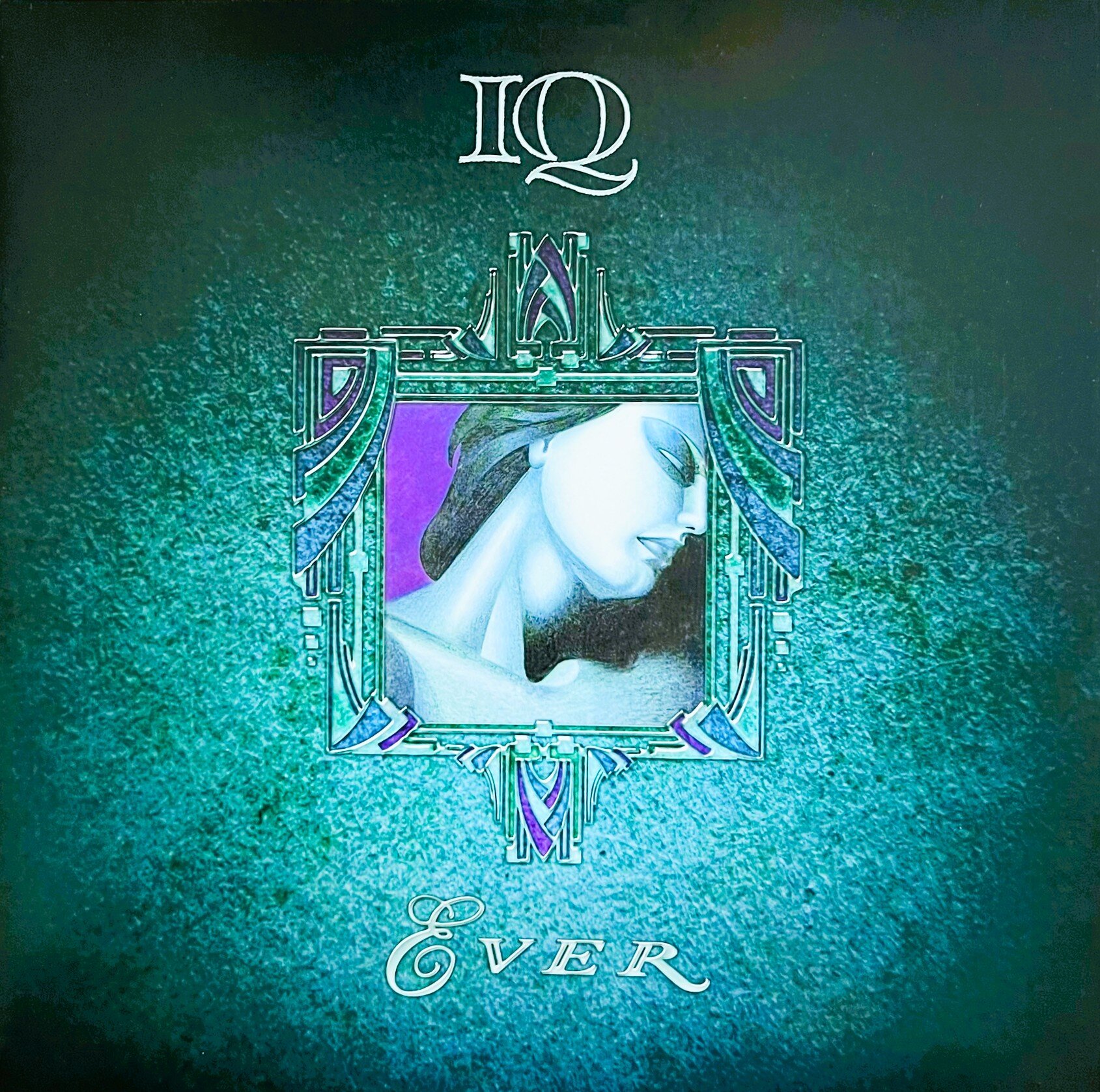
.jpeg "The Road of Bones by IQ")


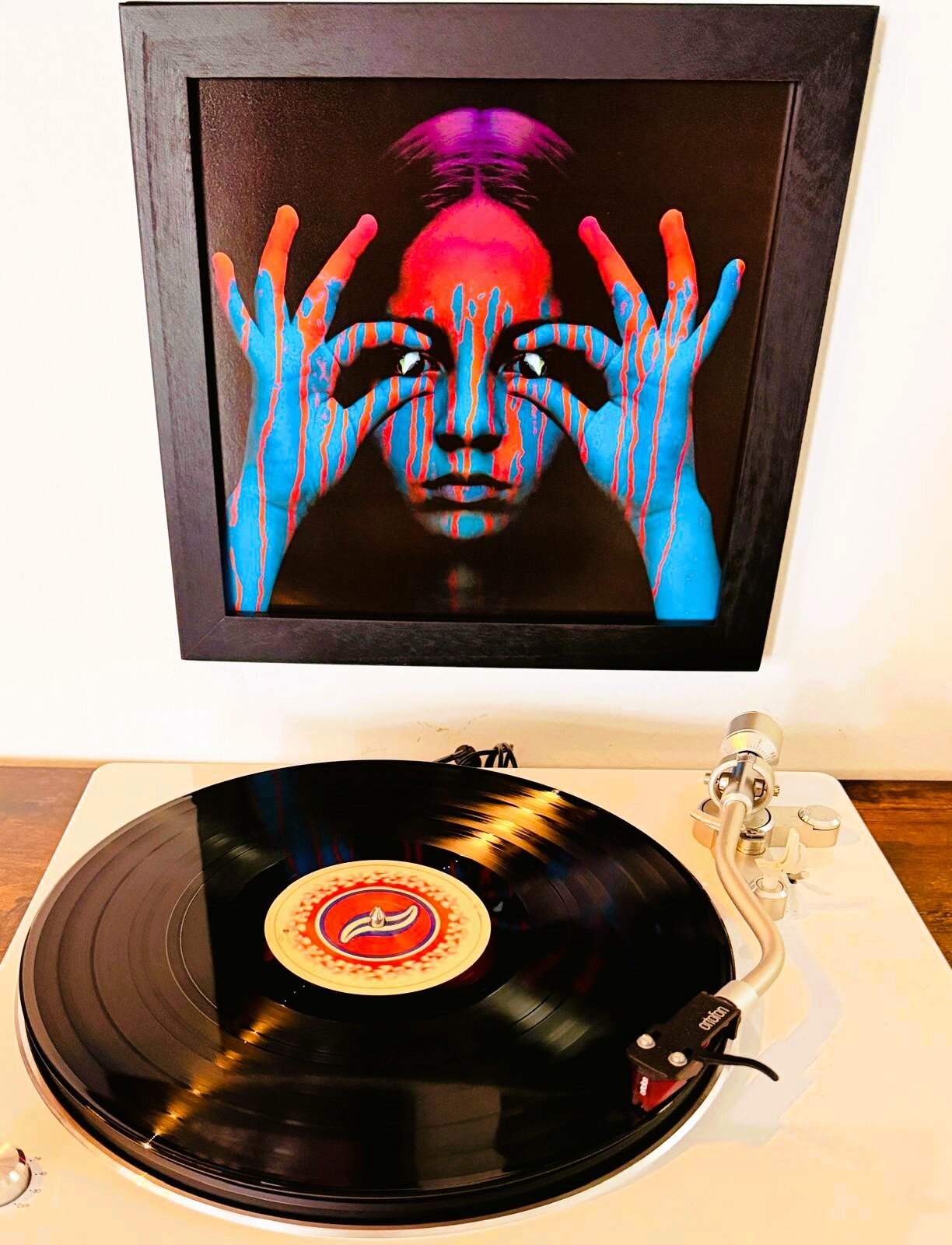
.jpeg "Subterranea by IQ")
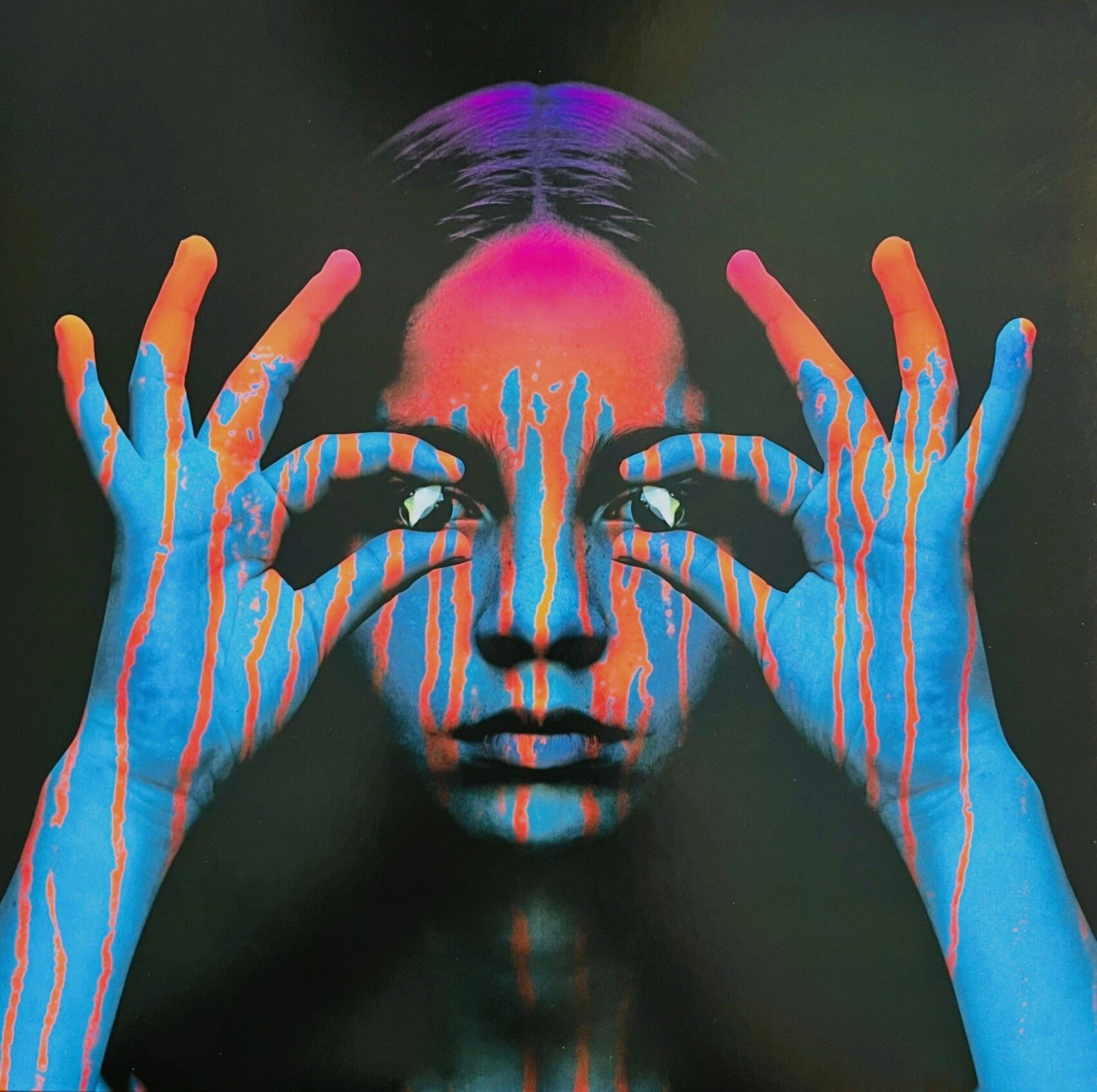
.jpeg "Lateralus by TOOL")


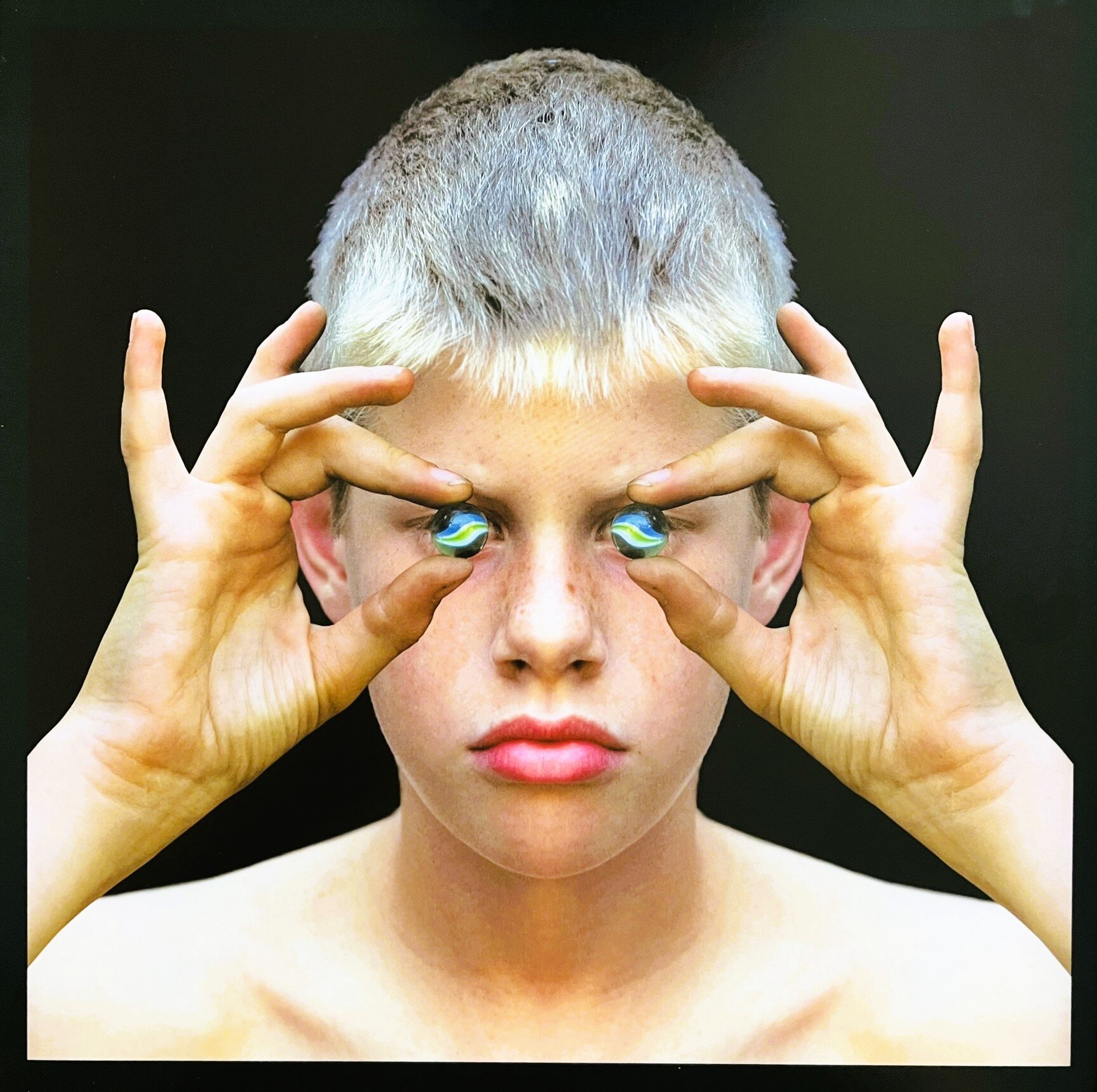
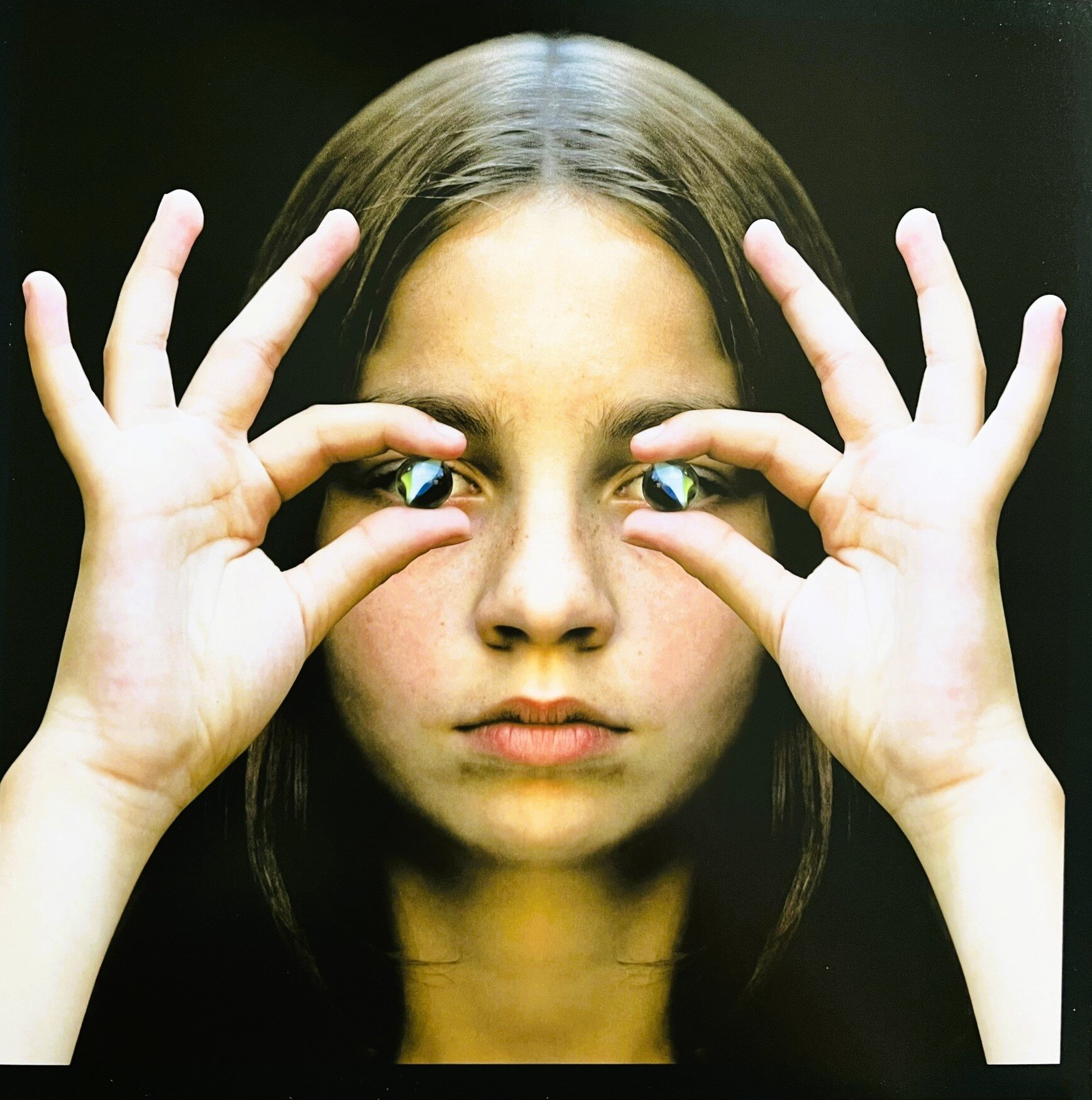
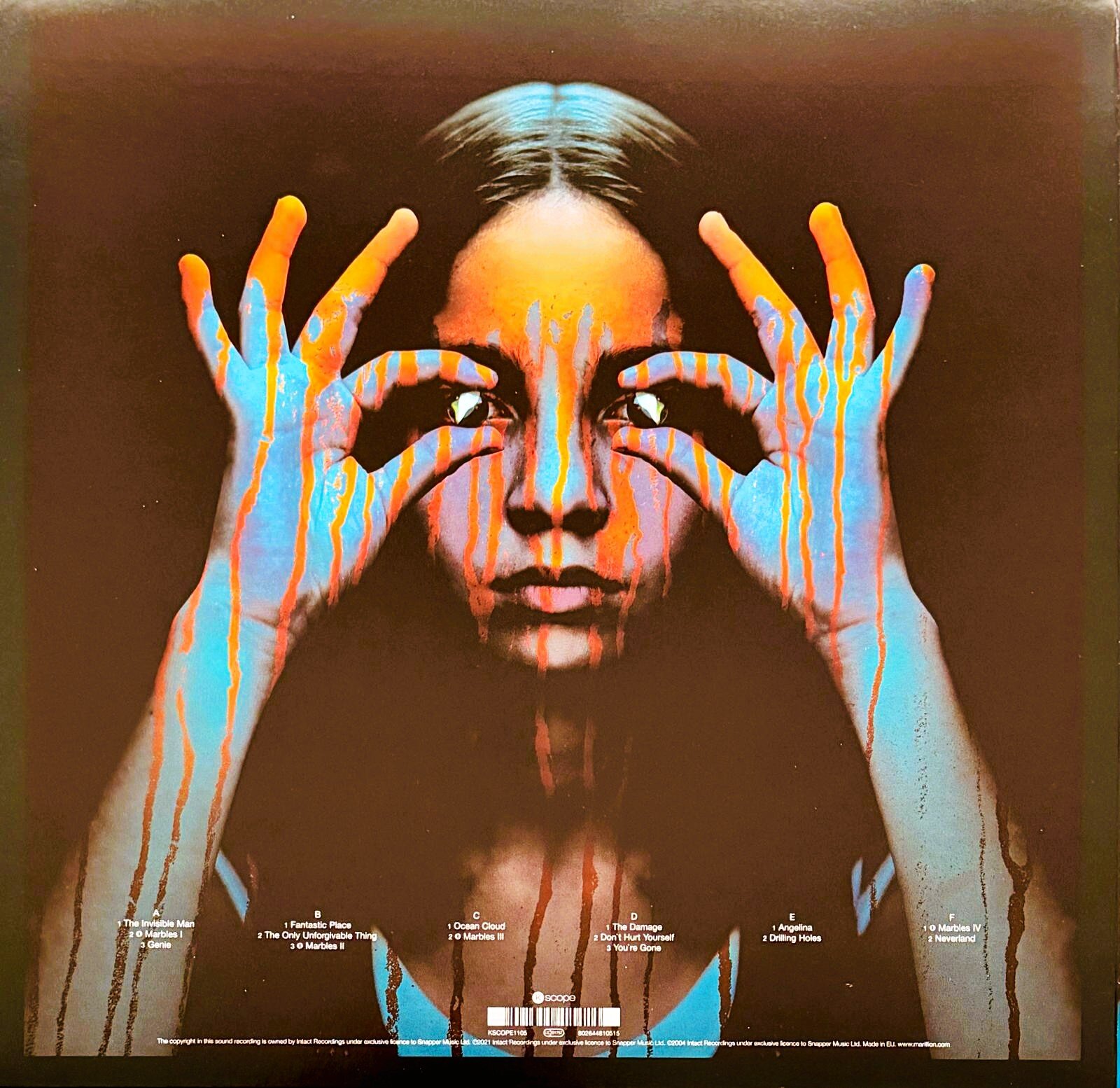
Marbles by Marillion, 2004 album
We have spoken at length about this great band in other articles, but it's worth remembering that Marillion are a British band formed in 1979 that made a fundamental contribution to neo-progressive rock. The band has gone through two distinct eras, defined by the two main singers, that of Fish and that of Steve Hogarth, the era to which this album belongs. On the occasion of the review of the album that closed the Fish era, Clutching at Straws, I made a band profile which I invite you to consult if interested.
An introspective, atmospheric album, full of emotional charge, with exceptional production and tracks that range from long and complex compositions to more accessible songs.
Great vocal performance by Steve Hogarth, very emotional and fantastic synergy between Kelly, Rothery, Trewavas and Mosley, with particularly inspired performances by Kelly on keyboards and Steve Rothery on guitar with his solos.
Although not a concept album, it is a work that contains tracks conceptually connected to each other and deals with the “loss of innocence,” the “nature of temptation,” isolation, and the search for happiness and love.
The album title refers to the common English slang "losing one's marbles," which means going crazy over a fixed idea or more simply “losing one's mind”.
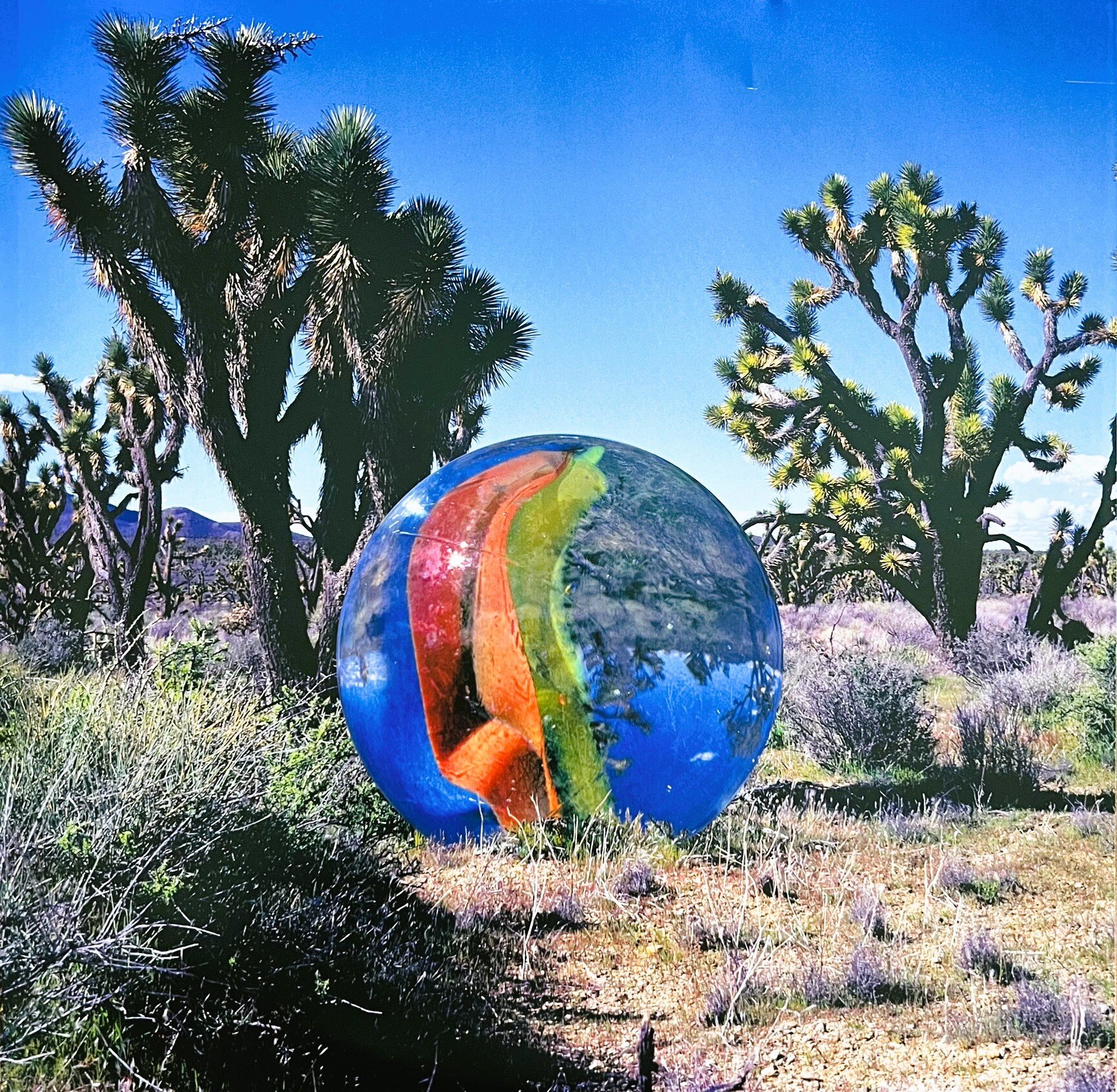
The loss of innocence and sanity is addressed in the four short tracks "Marbles" which are linked by the image of a collection of marbles to represent a period of innocence that fades with age. The idea of "losing" those marbles connects directly to the mental and emotional struggles described in other tracks.
The themes of temptation and infidelity are addressed in "Genie" and "The Damage" and explore the concepts of temptation, desire, and the emotional consequences of giving in to infidelity or risky behaviors. "The Damage" reuses lyrics from "Genie" to show the consequences from a different perspective.
Isolation, introspection, loneliness, and mental suffering are addressed in the tracks The Invisible Man, which talks about "being a witness without being present," and in "Ocean Cloud," inspired by solo rower Don Allum, the first man to row across the Atlantic Ocean in both directions, to tackle the concept of extreme isolation, introspection, and the danger of being out at sea.
Various tracks deal with the theme of searching for a "fantastic place," the human desire to escape reality or the search for a better, happier place, even if only for a moment.
Love is at the center of the epic track "Neverland," which deals with unconditional love as a refuge
An album that engages you track after track, moving from sweet songs like Angelina to more impetuous ones like Neverland, but also to simpler tracks like Don't Hurt Yourself or more psychedelic ones like Drilling Holes.
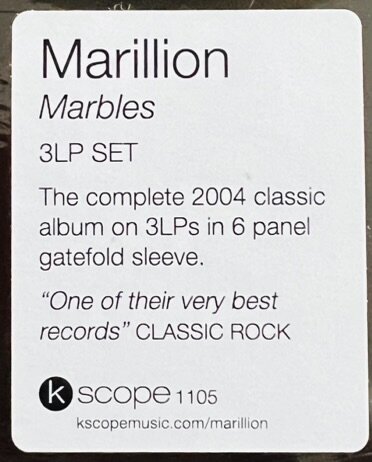
Three vinyls for over an hour and a half of music
- The Invisible Man, with its over 13 minutes (one of the three longest tracks), opens the album, very beautiful and powerful, a slow progression with a steady and continuous rhythm, beautiful vocals and a great guitar solo by Rothery.
- Marbles I, lasting less than two minutes, is the first of four short interludes that make up the Title Track, a song with an almost Jazz sound.
- Genie is an appealing rock track, a bit "pop," but very pleasant.
- Fantastic Place is a melodic piece, with an engaging progression and remarkable guitar work by Rothery
- The Only Unforgivable Thing is a beautiful ballad, very powerful, with a beautiful organ introduction, and once again excellent guitar work by Steve Rothery and a very intense vocal by Hogarth.
- Marbles II is an interlude of less than two minutes that continues the theme of the first part but with a psychedelic atmosphere.
- Ocean Cloud is the longest track on the album and also the best in my opinion, one of the best epic pieces by Marillion of the new era, with great vocal parts and stunning guitar solos.
- Marbles III is an interlude of less than two minutes that continues the theme of the first and second parts but with an ethereal mood.
- The Damage is the most rock track on the album, pressing and with a particularly inspired vocal part.
- Don't Hurt Yourself is a pop-rock track with a nice acoustic guitar introduction and a catchy chorus.
- You're Gone is a single from the album that achieved decent success, a melancholic pop song with a nice drum loop, a well-made commercial track but with good emotional impact and a melody that sticks in your memory.
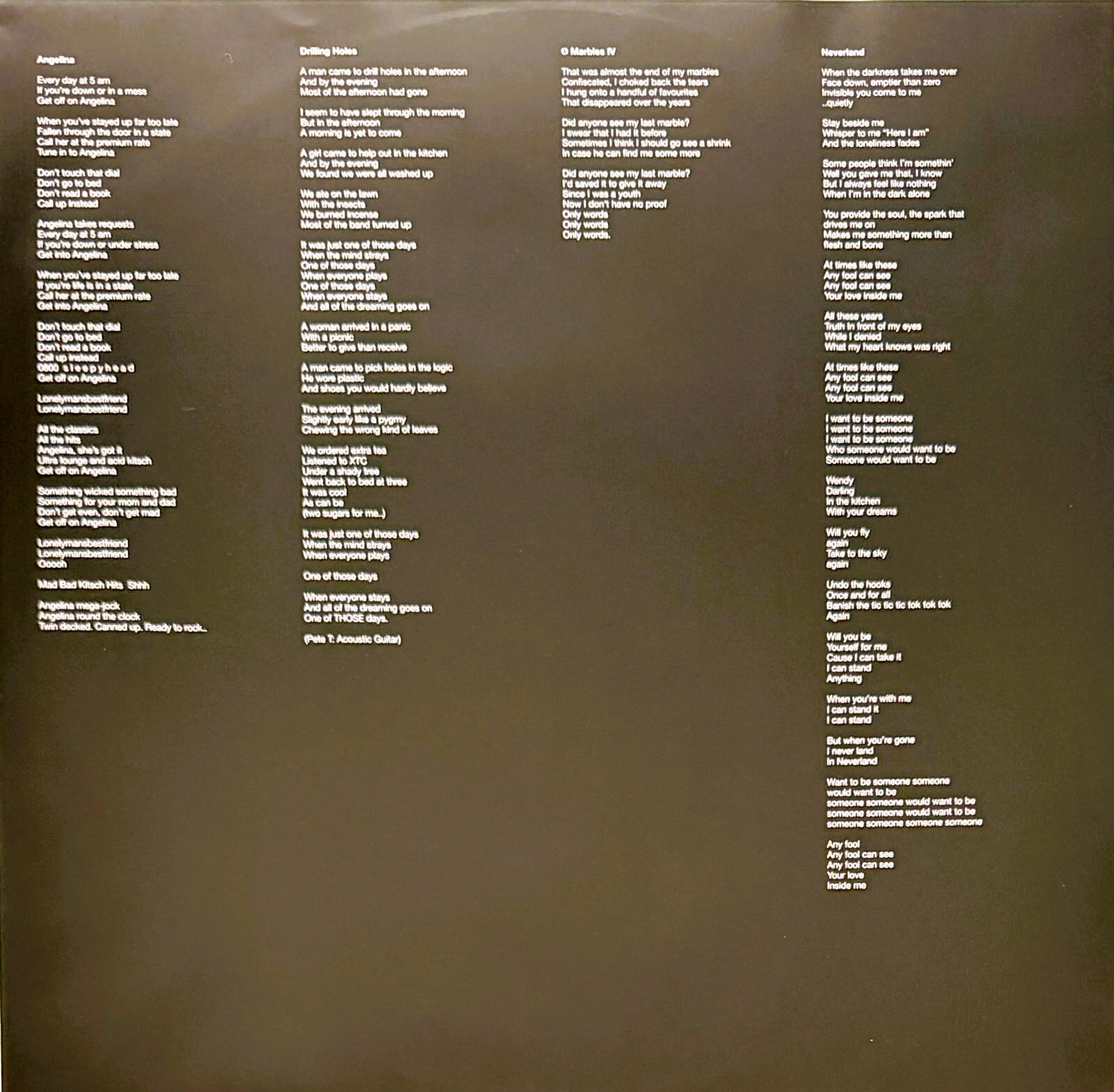
- Angelina is a track on the border between jazzy and psychedelic, which also includes the voice of Carrie Tree, with a nice soft atmosphere.
- Drilling Holes is a track characterized by beautiful harpsichord arrangements, with a dramatic mood and great keyboard work by Mark Kelly.
- Marbles IV is the last interlude, continuing the theme of the previous parts, with a solemn atmosphere, anticipating the album's closure.
- Neverland, with its over 12 minutes, closes the album, an exciting ending that after a piano introduction progresses grandly towards a finale that features one of Rothery's most beautiful guitar solos, in a “Gilmour-esque” style.
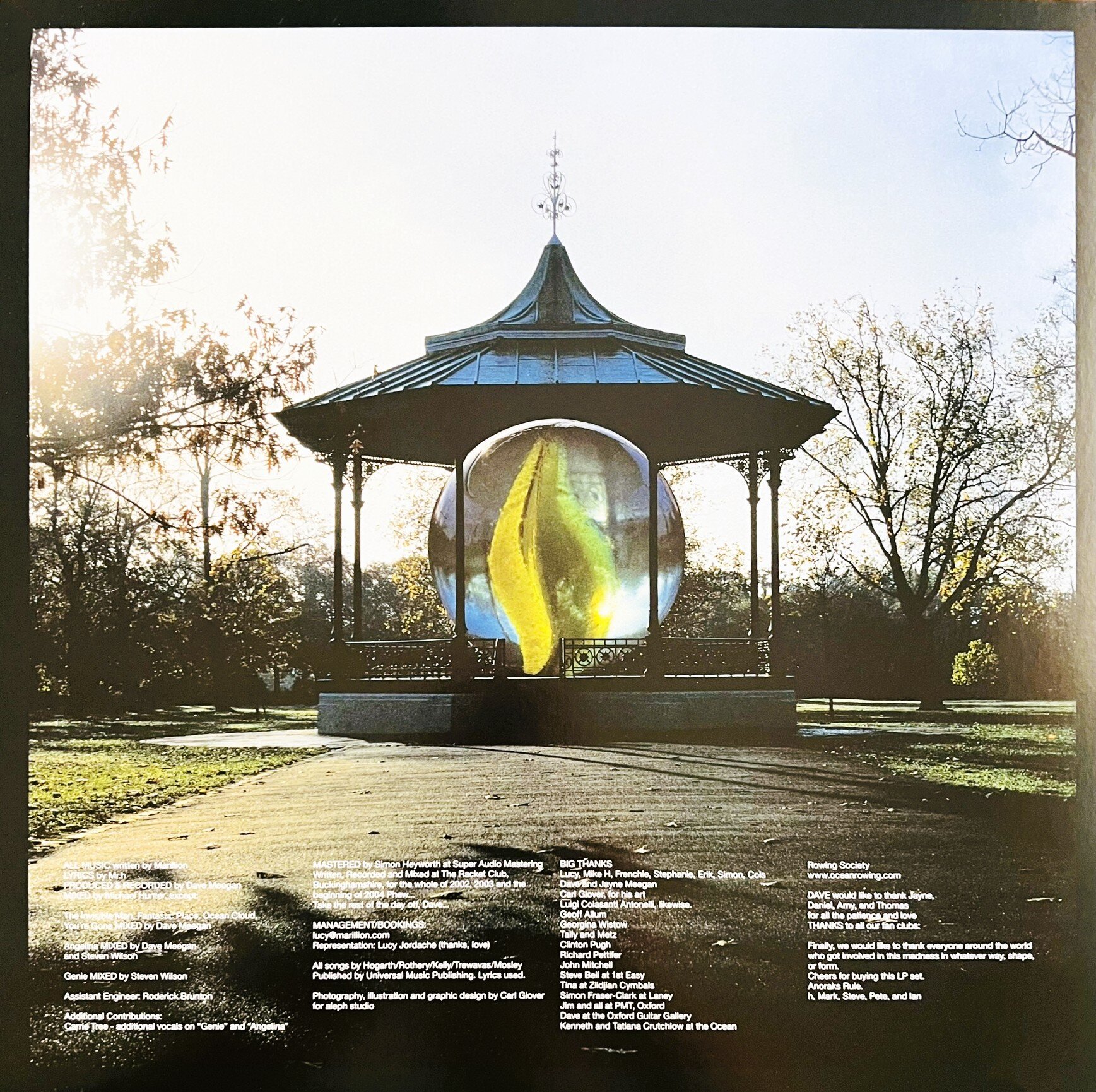
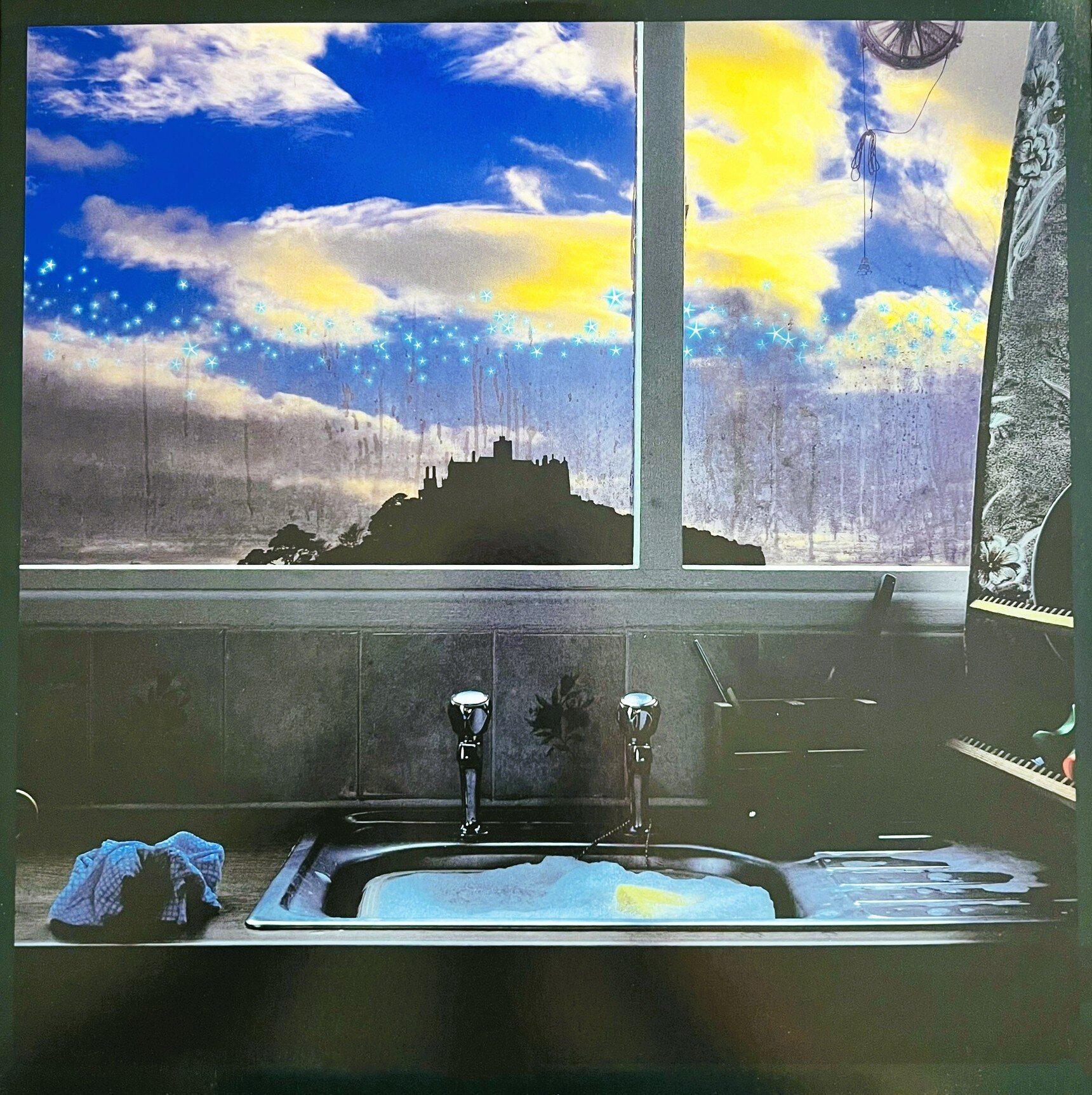
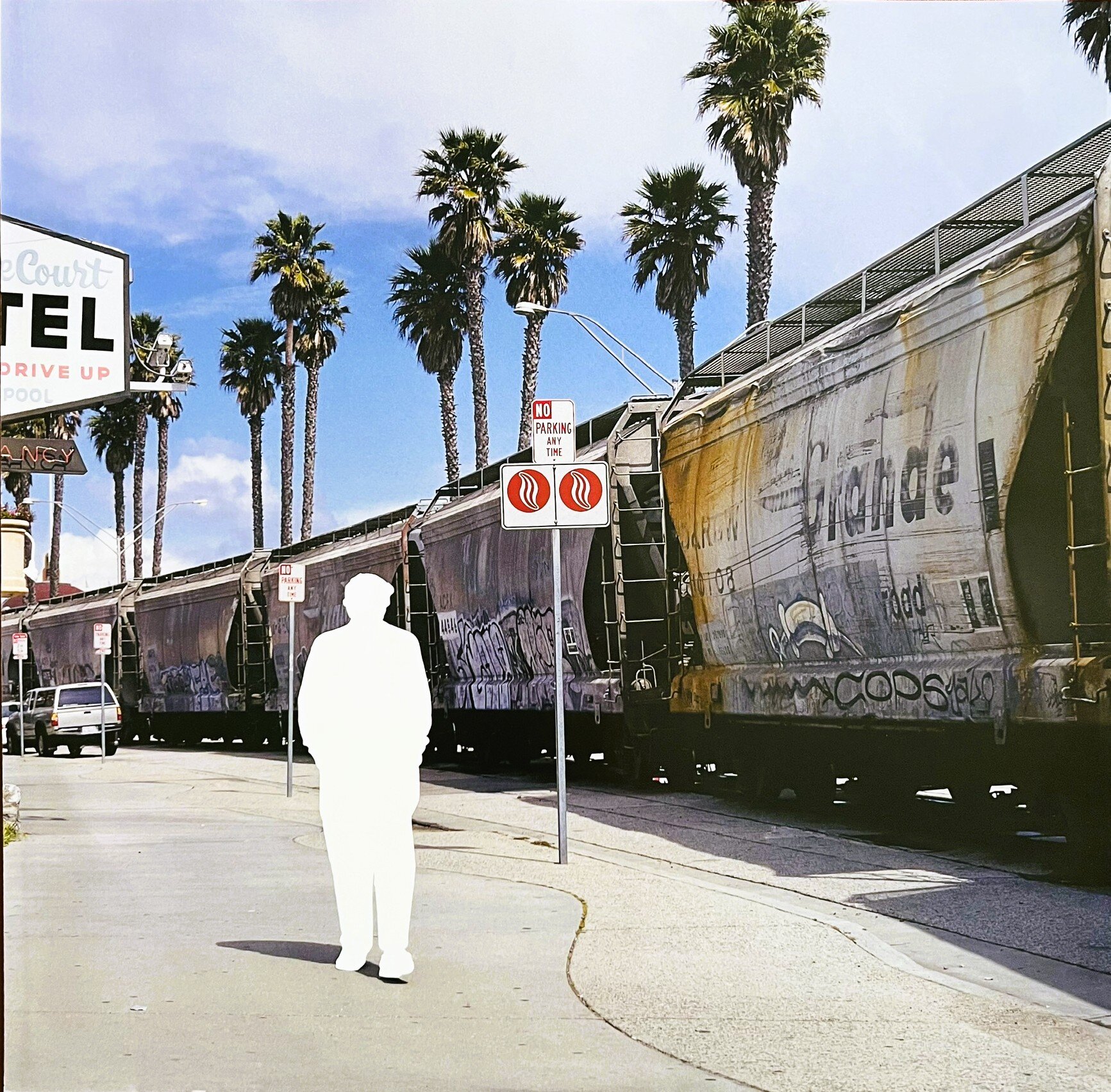
Beautiful artwork, all the photos of which you can find below.
Marbles is, in my opinion, up to now, the best album of the Hogarth era, just slightly superior to their great post-Fish album Brave, both a MUST in a prog record collection
Note: All links to the musicians' works are in the TAGS under the article title or on the "Artists" page
Tracklist
1. The Invisible Man (13:37)
2. Marbles I (1:42)
3. Genie (4:54)
4. Fantastic Place (6:12)
5. The Only Unforgivable Thing (7:13)
6. Marbles II (2:02)
7. Ocean Cloud (17:58)
8. Marbles III (1:51)
9. The Damage (4:35)
10. Don't Hurt Yourself (5:48)
11. You're Gone (6:25)
12. Angelina (7:42)
13. Drilling Holes (5:11)
14. Marbles IV (1:26)
15. Neverland (12:10)
Duration 98:46
LineUp
- Steve Hogarth - vocals, dulcimer (1), additional guitar (4)
- Steve Rothery - guitar, bass (10)
- Mark Kelly - keyboards
- Pete Trewavas - bass, acoustic guitar (10,13)
- Ian Mosley - drums
With:
- Carrie Tree - additional vocals (3,12)
.jpeg "whatsapp-image-2025-12-01-at-15.14.46-(1).jpeg")
.jpeg "whatsapp-image-2025-12-01-at-15.14.45-(1).jpeg")
.jpeg "whatsapp-image-2025-12-01-at-15.14.46-(2).jpeg")
.jpeg "whatsapp-image-2025-12-01-at-15.14.46-(3).jpeg")
.jpeg "whatsapp-image-2025-12-01-at-15.14.46-(4).jpeg")
.jpeg "whatsapp-image-2025-12-01-at-15.14.46-(5).jpeg")
.jpeg "whatsapp-image-2025-12-01-at-15.14.46-(6).jpeg")
.jpeg "whatsapp-image-2025-12-01-at-15.14.46-(7).jpeg")
.jpeg "whatsapp-image-2025-12-01-at-15.14.46-(8).jpeg")
.jpeg "Subterranea by IQ")