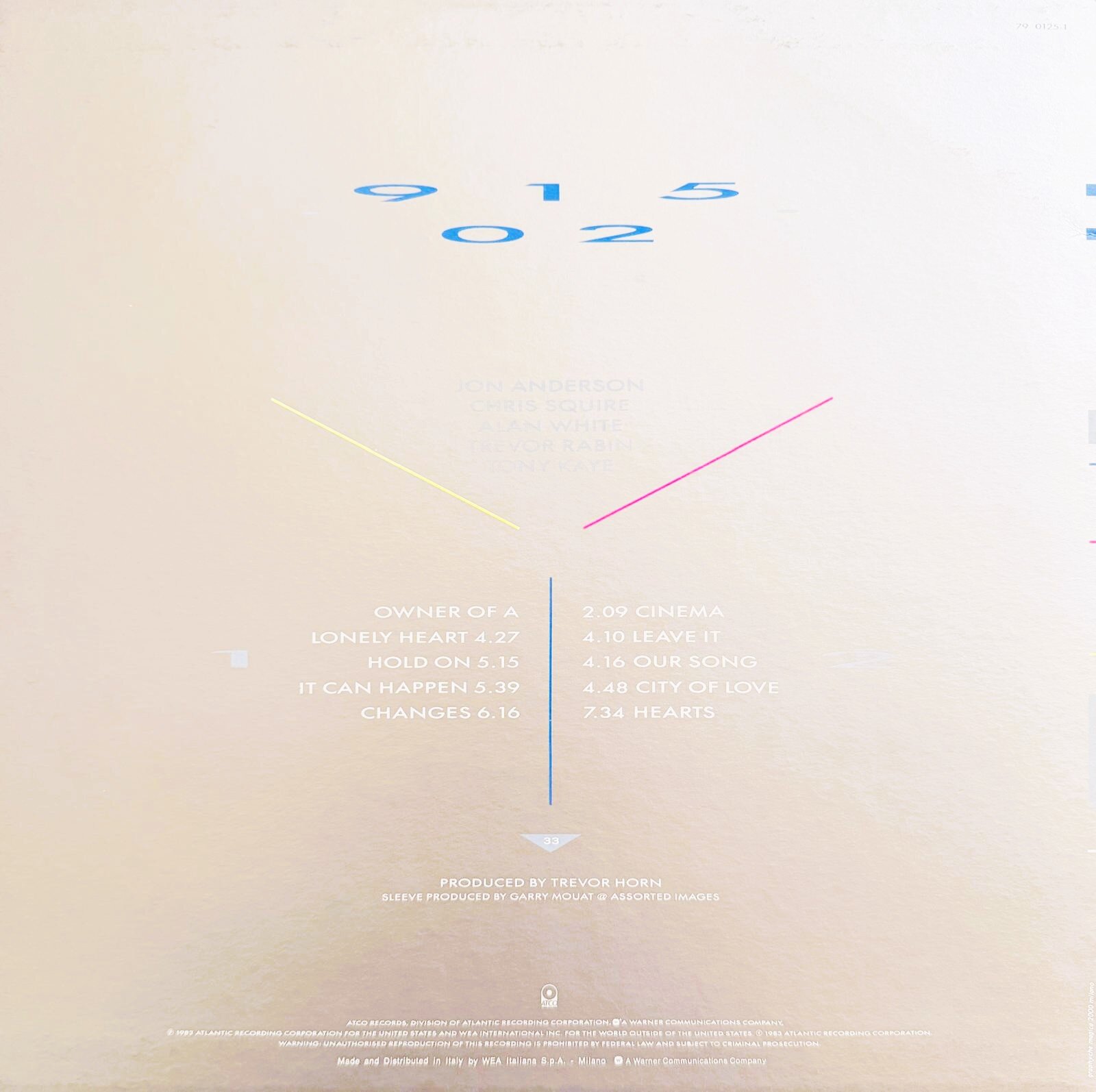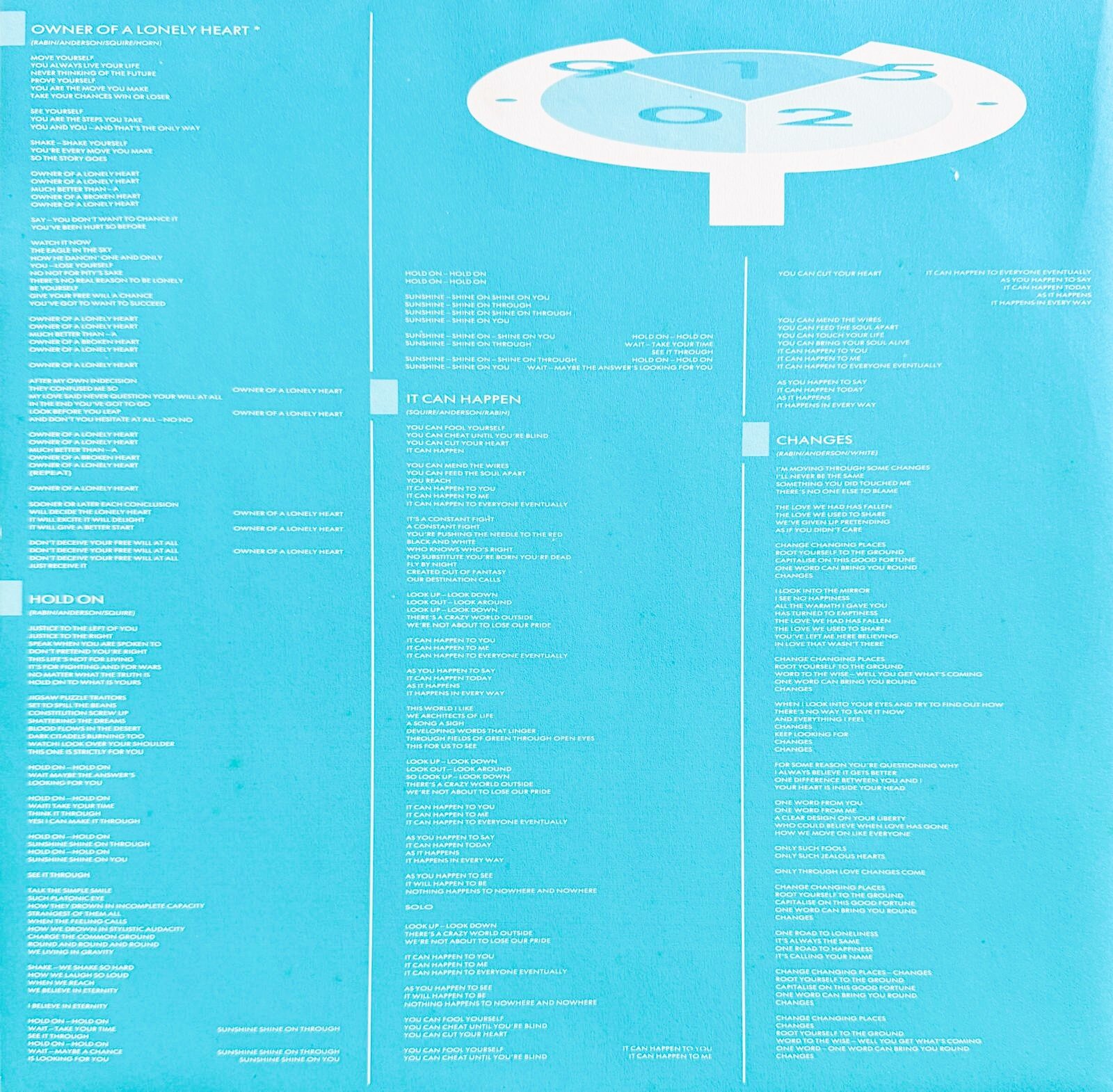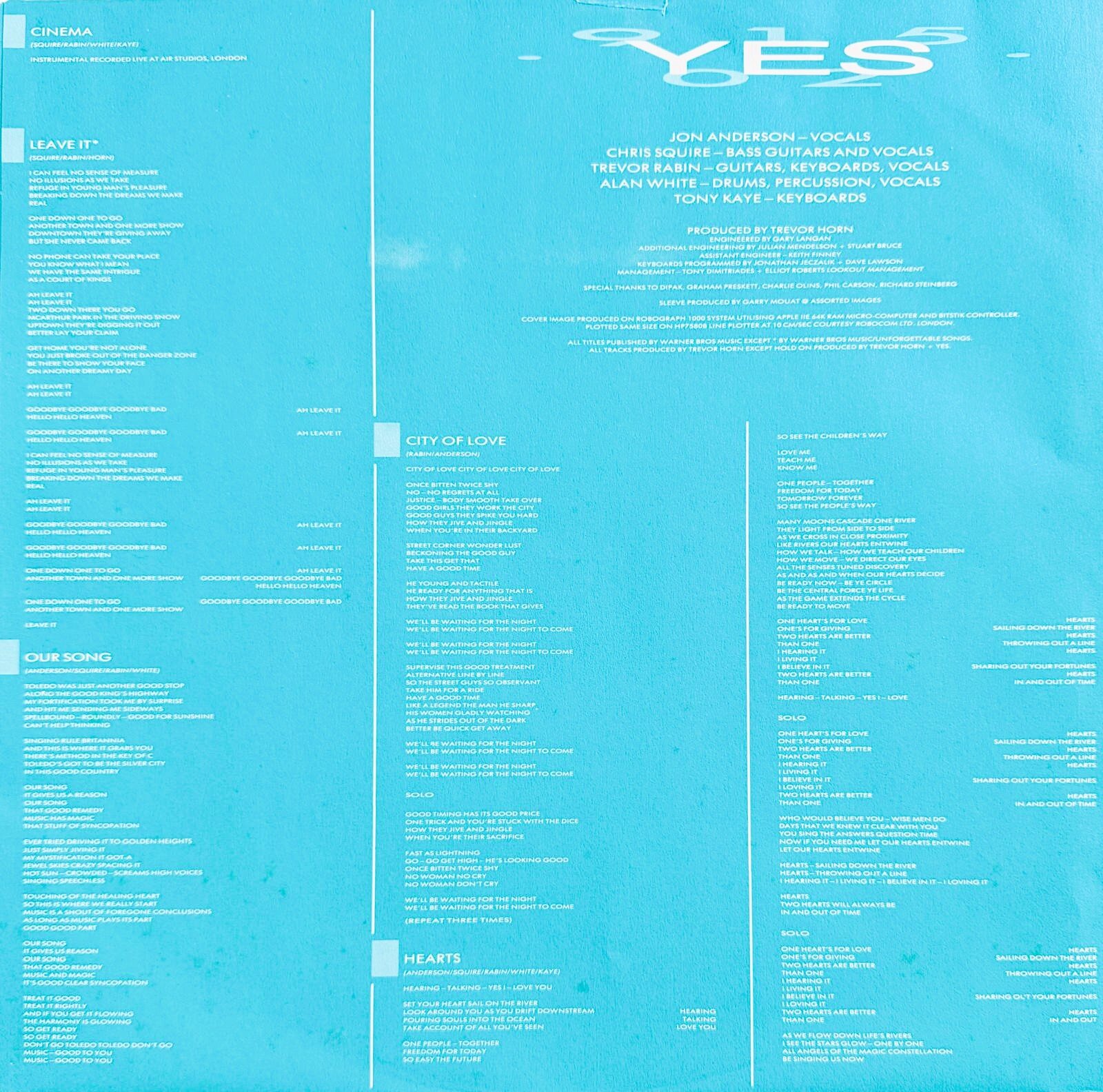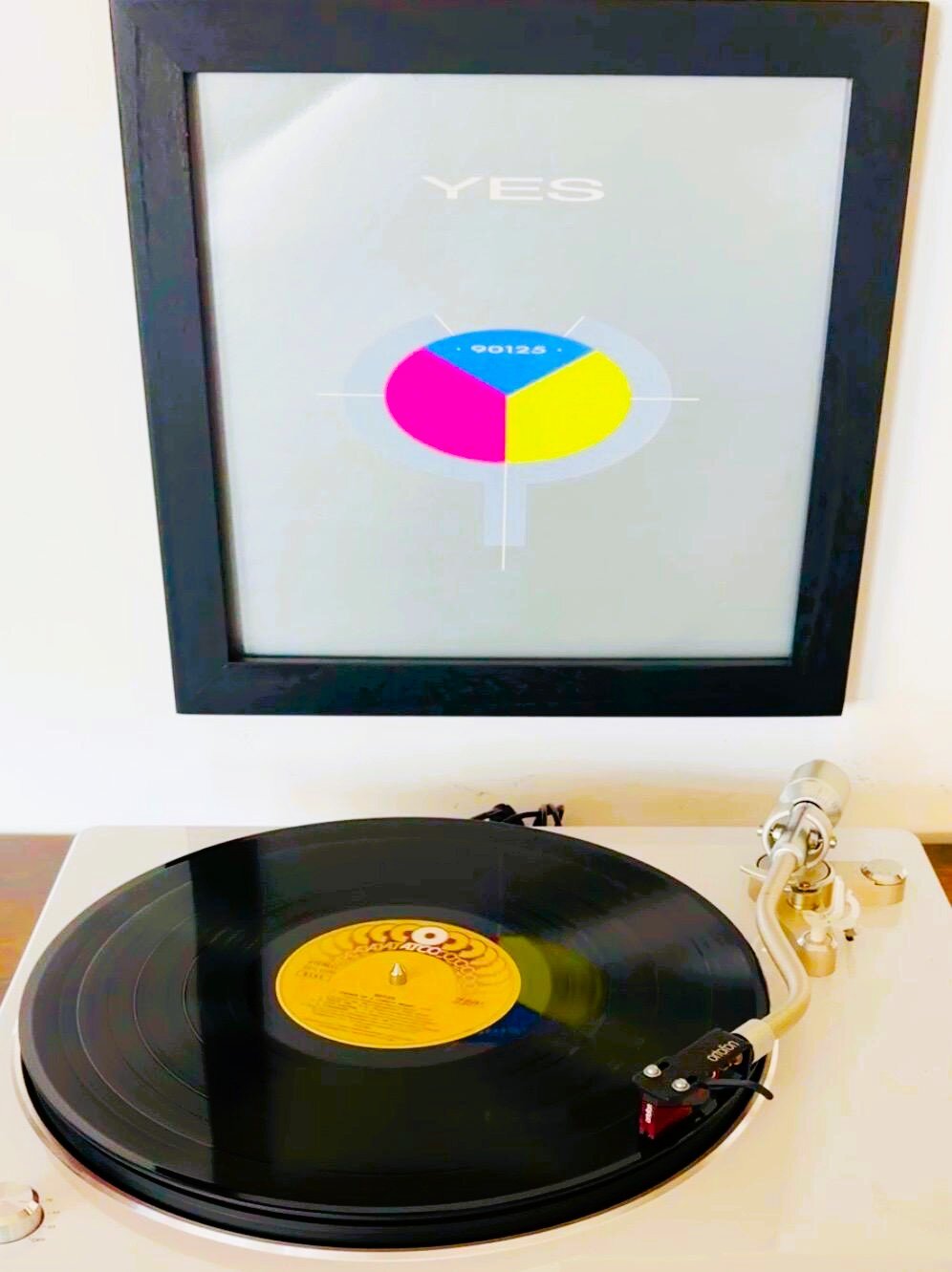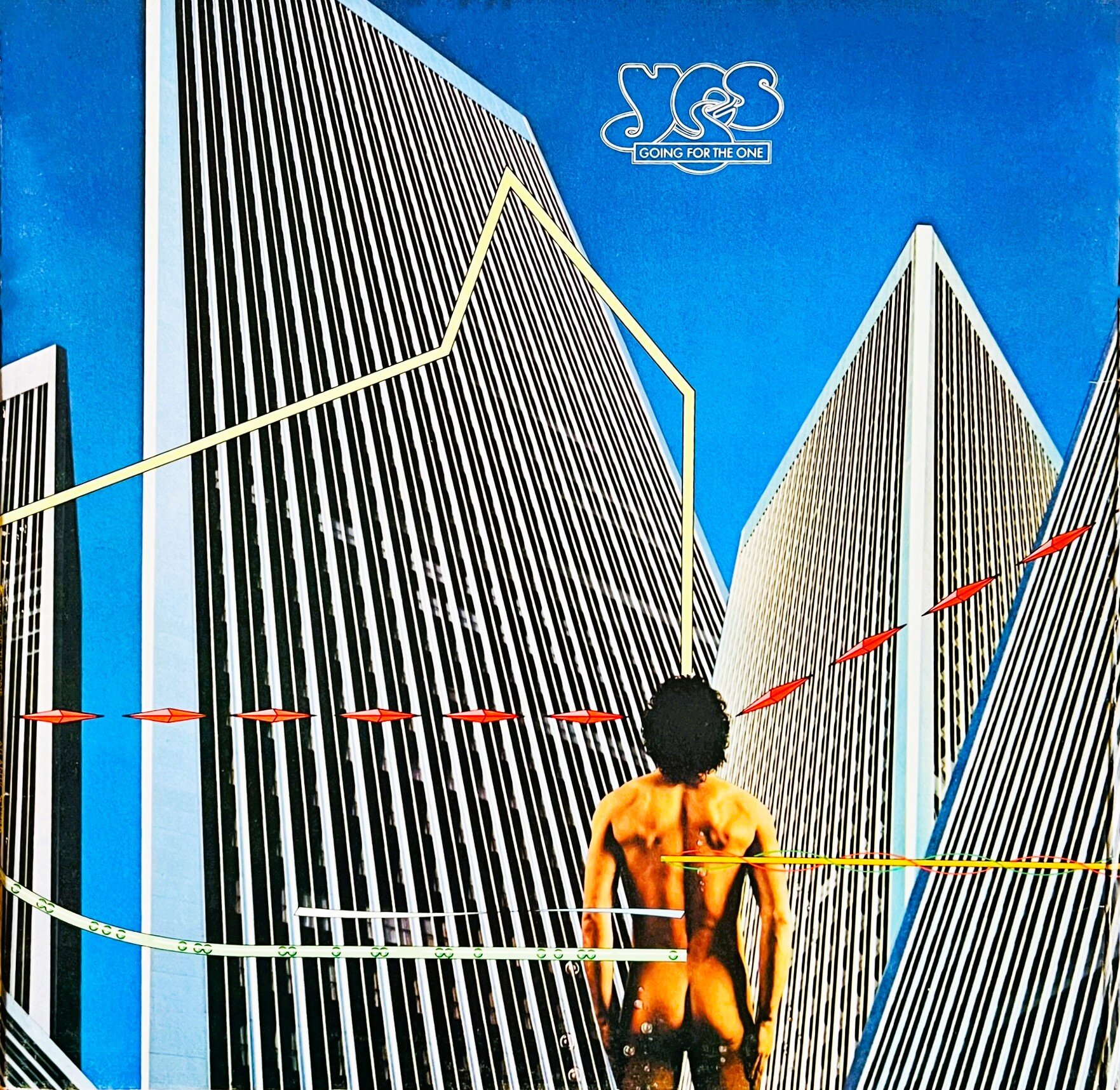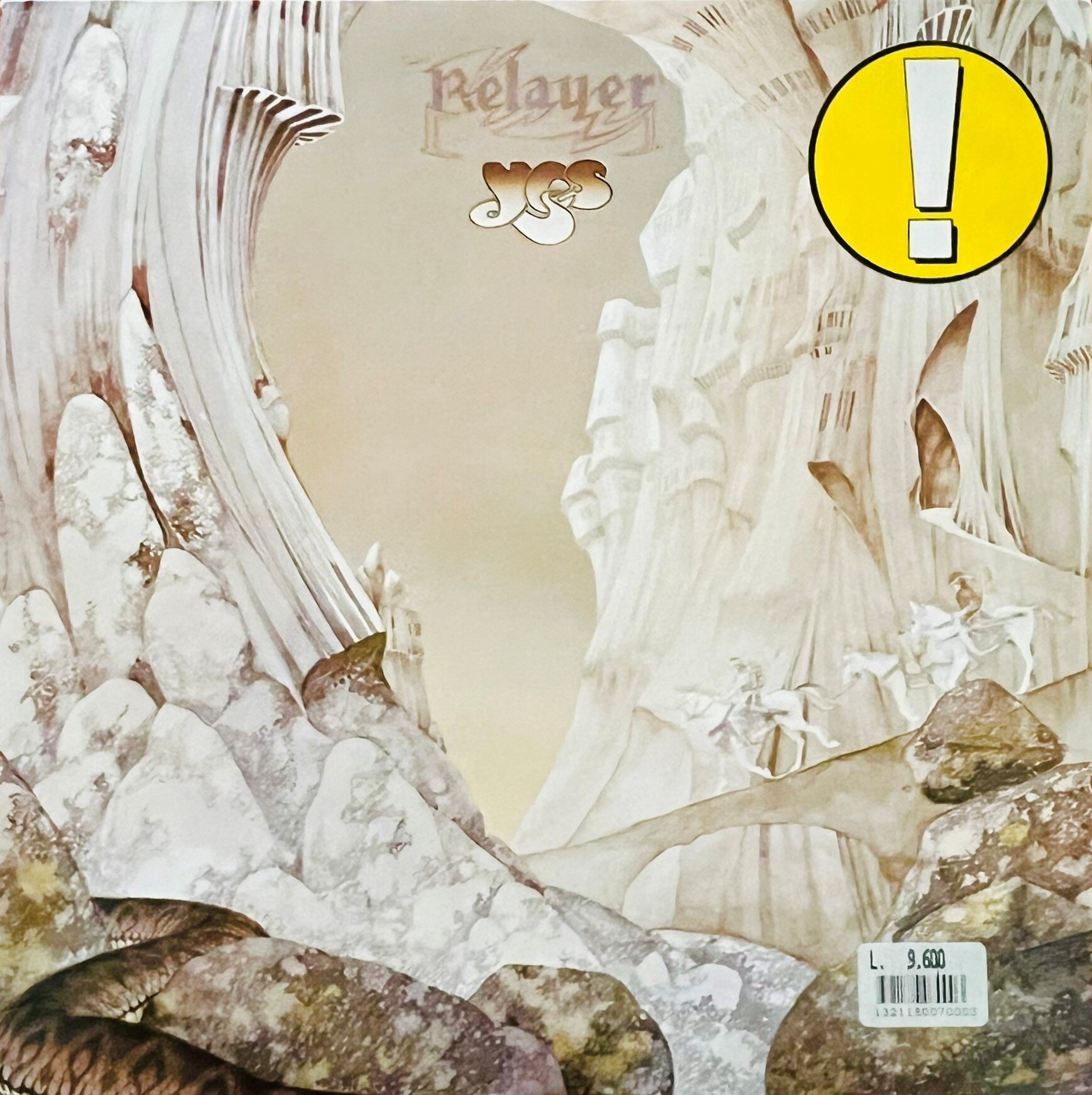

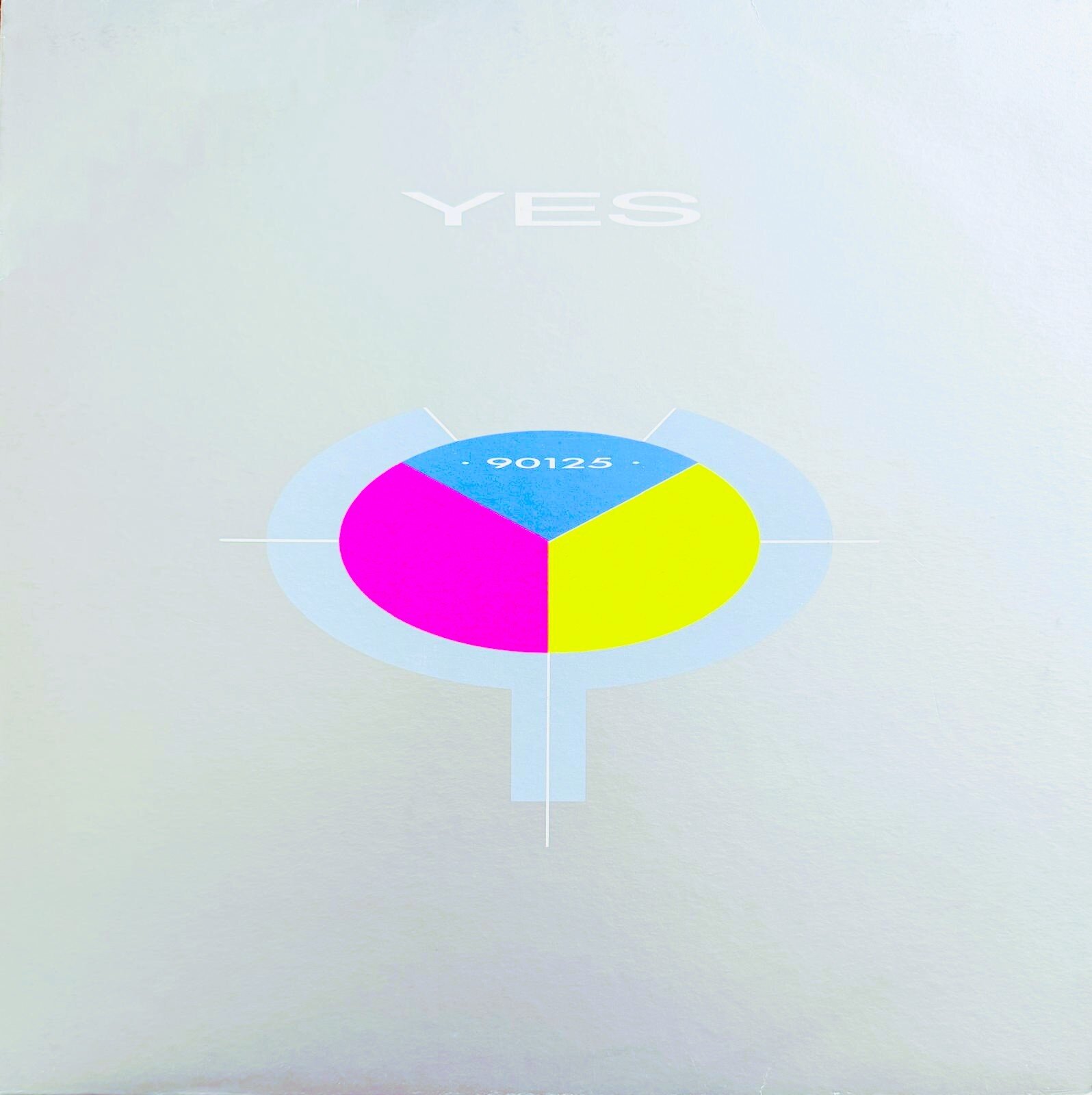
90125 by YES, an album from 1983.
I've spoken extensively about YES in reviews of some of their masterpieces and in the article dedicated to them, "The Sophisticated Symphonic Rock of YES". They're a stratospheric band, among the leading exponents of progressive rock in its symphonic rock incarnation, and have released some of the genre's finest albums, including one that contends for the top spot, Close To The Edge, an immense masterpiece.
Yes's lineup has changed often, but two stand out as having had the greatest impact, in my opinion, on defining their distinct styles: the first, active in the 1970s, with a progressive rock feel; and the second, with a more pop-rock sound, in the 1980s and 1990s, composed of Jon Anderson, Chris Squire, Tony Kaye, Alan White, and Trevor Rabin, who was the frontman. This second "era" includes 90125, a worldwide success and a radical shift in the band's style, which moved decidedly closer to '80s pop-rock. This success came about by abandoning the lengthy progressive suites of the '70s for a powerful, modern, and, above all, highly radio-friendly pop-rock sound.
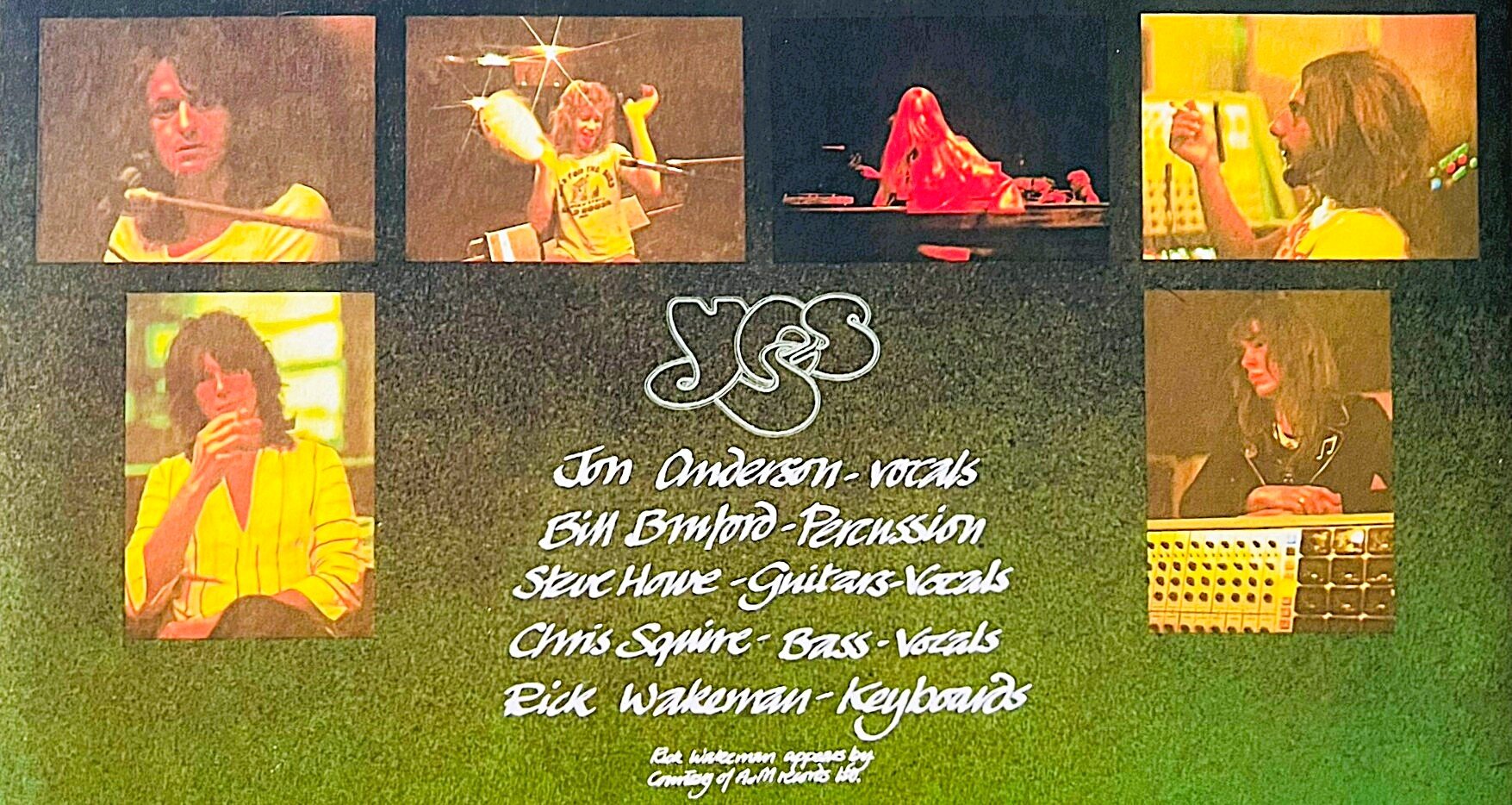
This shift, although initially embraced by Jon Anderson himself, created a rift within YES. With guitarist Trevor Rabin in the lineup, they experienced a stylistic conflict initiated by Anderson, dissatisfied with the band's pop direction. Anderson then dedicated himself to other projects, repeatedly attempting to create YES spin-offs, sometimes with excellent results, the first being when Anderson hired three longtime Yes members who had left at different times: guitarist Steve Howe, keyboardist Rick Wakeman, and drummer Bill Bruford to form Anderson Bruford Wakeman Howe (ABWH).
Those who had accustomed us to progressive rock masterpieces—the richest, most symphonic, and complex—managed to produce a masterpiece of '80s pop-rock, embracing a new style, a new and different energy, maintaining the perfection of the sound but with a more modern approach, powerful songs, fast-paced rhythms, and an overall engaging atmosphere.
Trevor Horn's production direction generated an album characterized by a massive use of synthesizers and samples (the famous "orchestral stabs," the trademark of the album's hit "Owner of a Lonely Heart"), making the sound cutting-edge for the time. Trevor Rabin, the South African guitarist who was the true architect of the album, played a major role, bringing energetic riffs and a melodic sensibility that transformed Yes into stars of the MTV era.
An album that also became iconic, which brought Yes to a wider audience and was a huge success, driven by the hit "Owner of a Lonely Heart," the only Yes song to reach #1 on the charts, and 90125 itself, which turned out to be the band's best-selling album in history.
But this album isn't just that song, which has become an '80s rock anthem with an iconic riff and futuristic sounds (a joy to listen to and dance to every time), but also "Changes," characterized by complex rhythmic interplay and a vocal duet between Rabin and Jon Anderson; "Leave It," with beautiful, almost a cappella vocal harmonies; or the beautiful "Cinema," a short but powerful instrumental that won a Grammy Award for Best Rock Instrumental Performance; and finally, "Hearts," a song closest to the progressive sound.
Fun fact: The album title is the catalog number of the original release.
An album that, as often happens from a progressive rock perspective, is no more than good—perhaps excellent for non-purists of the genre—while from a pop-rock perspective, it's an absolute masterpiece.
Only great bands can succeed in excelling in such diverse genres with the same level of excellence. I recall another, Genesis, who also lived through two different eras, excelling in both and achieving their greatest success with the pop-rock era. Great musicians can only create great albums, and this, whatever anyone may say, is a great album, a must-have in any collection of the immense YES.
Note: All links to the musicians' works are in the TAGS under the article title or on the "Artists" page.
Tracklist
1. Owner of a Lonely Heart (4:27)
2. Hold On (5:15)
3. It Can Happen (5:39)
4. Changes (6:16)
5. Cinema (2:09)
6. Leave It (4:10)
7. Our Song (4:16)
8. City of Love (4:48)
9. Hearts (7:34)
Total Time 44:34
LineUp
- Jon Anderson - lead vocals
- Trevor Rabin - guitars, keyboards, vocals
- Tony Kaye - keyboards
- Chris Squire - bass, vocals
- Alan White - drums, percussion, Fairlight CMI, vocals
With:
- Dipak Khazanchi - sitar & tambura (3)
- Graham Preskett - violin (6)
- Trevor Horn - backing vocals, producer (excl. 2)
- Jonathan Jeczalik - keyboard programming
- Dave Lawson - keyboard programming