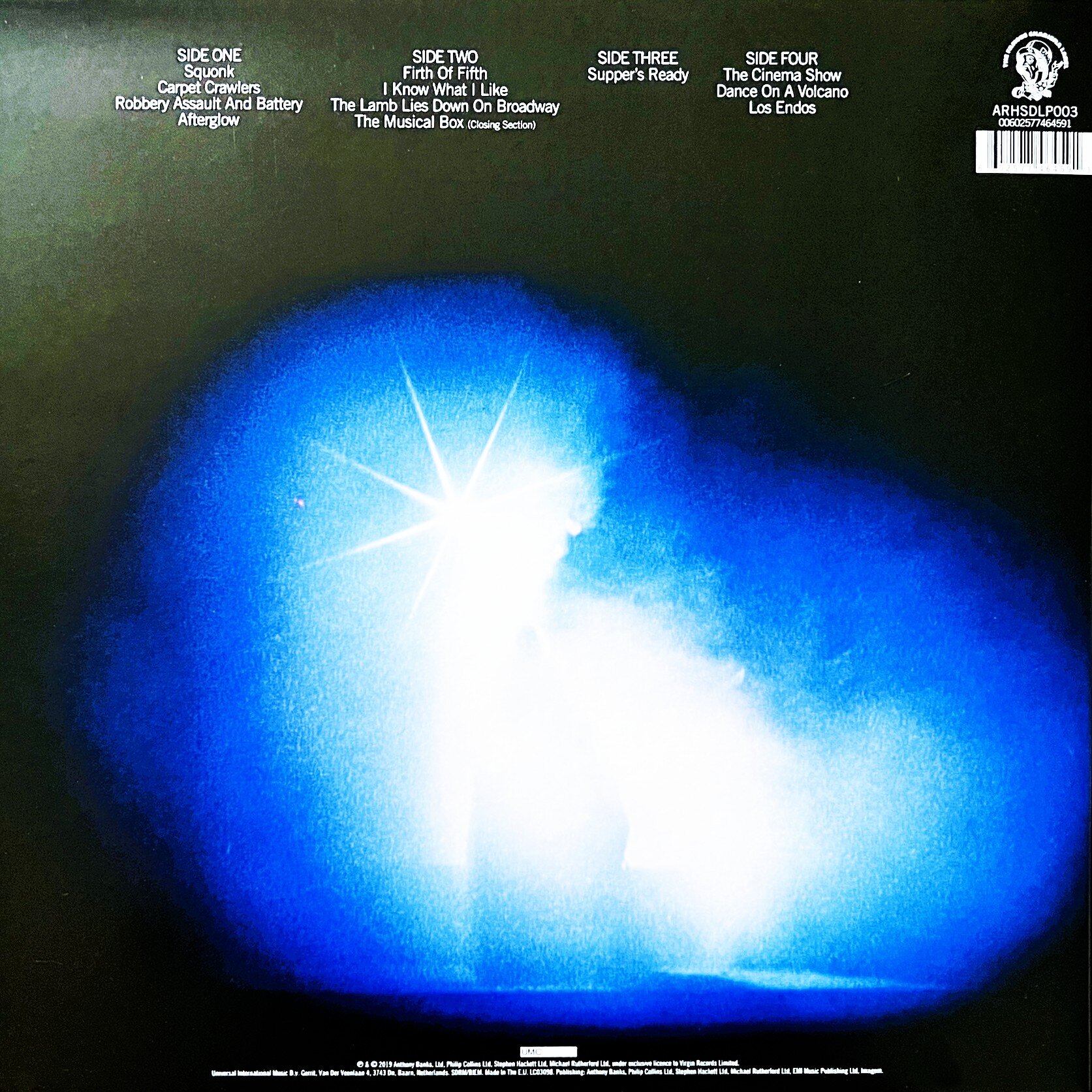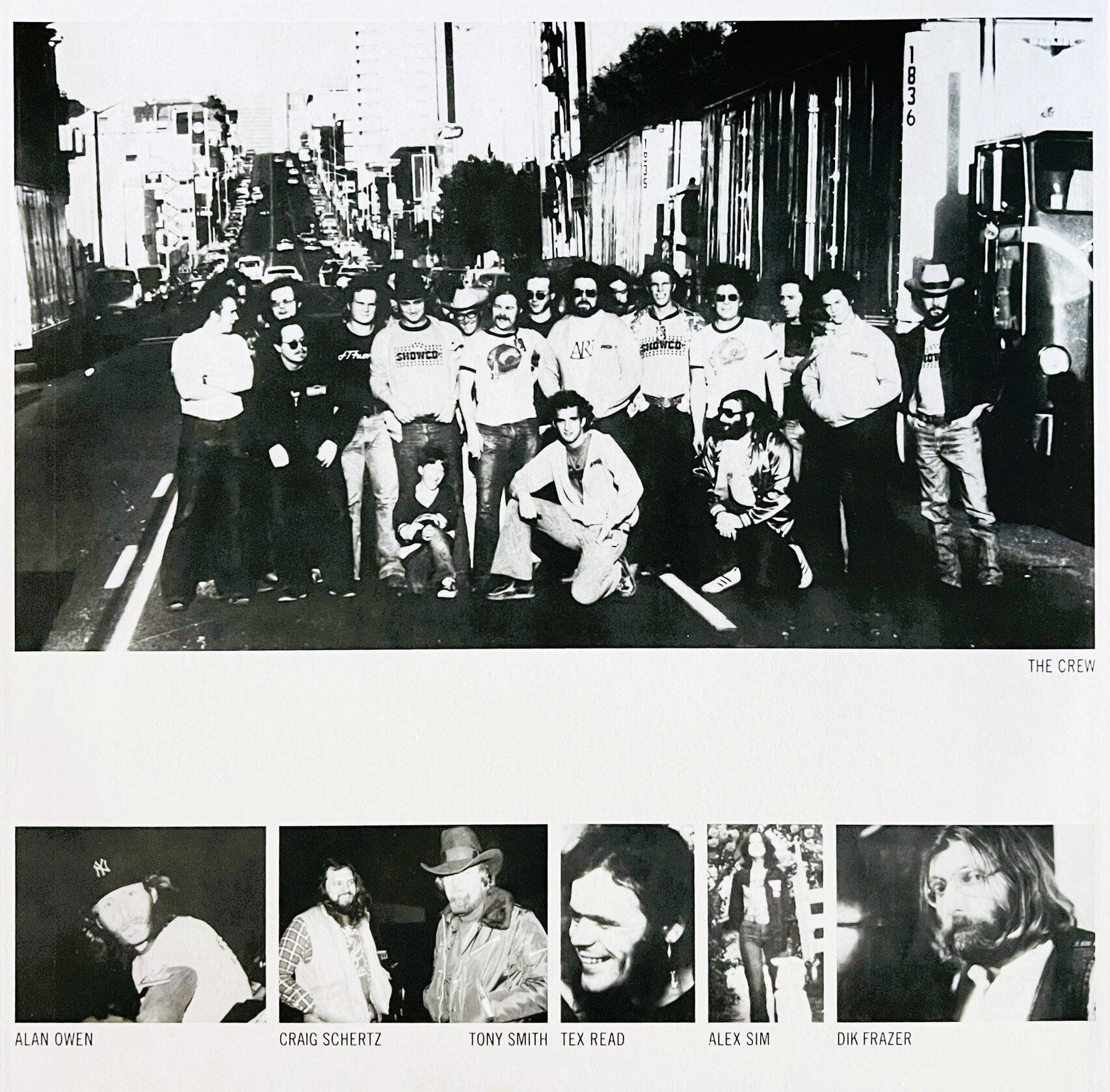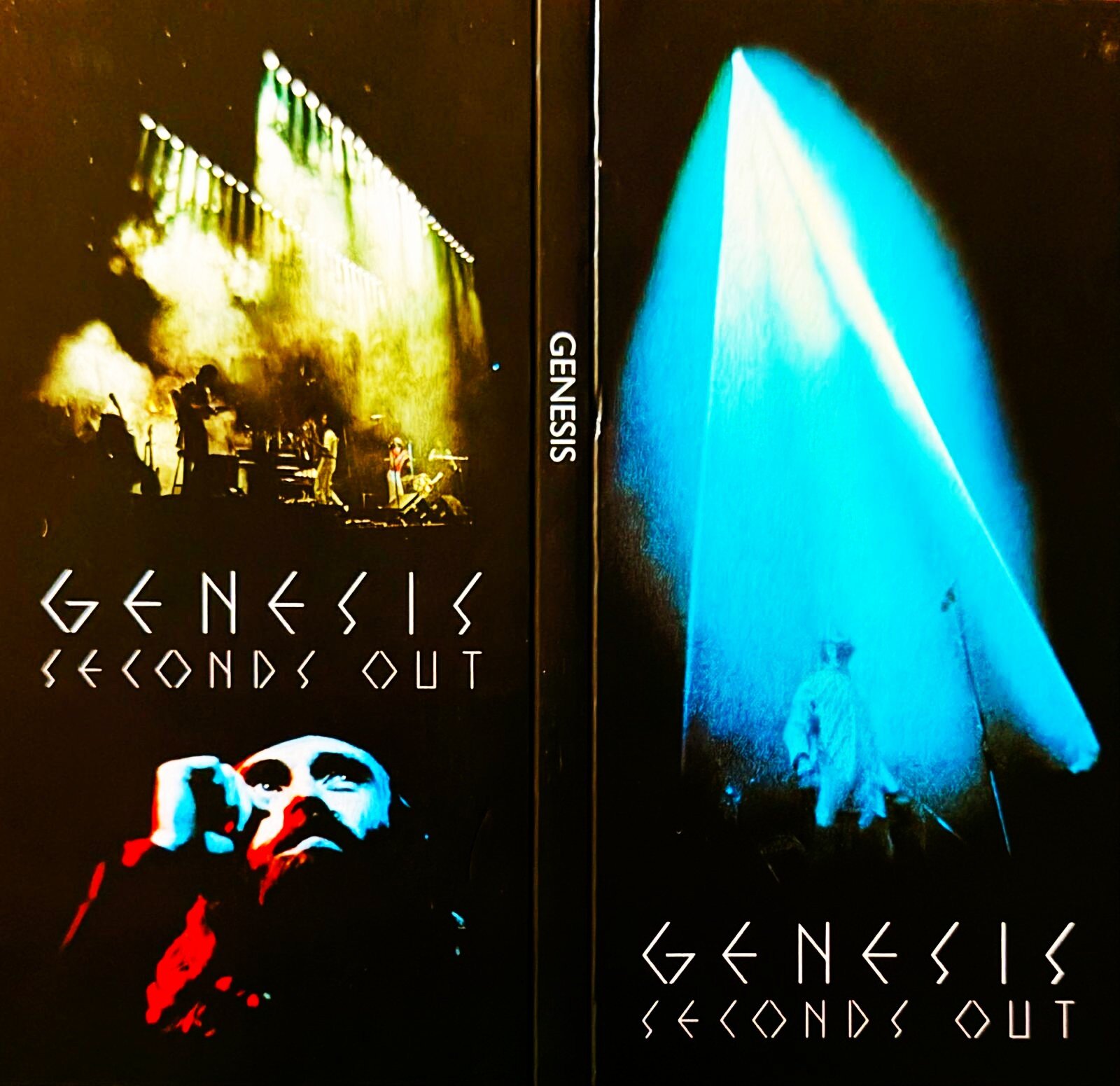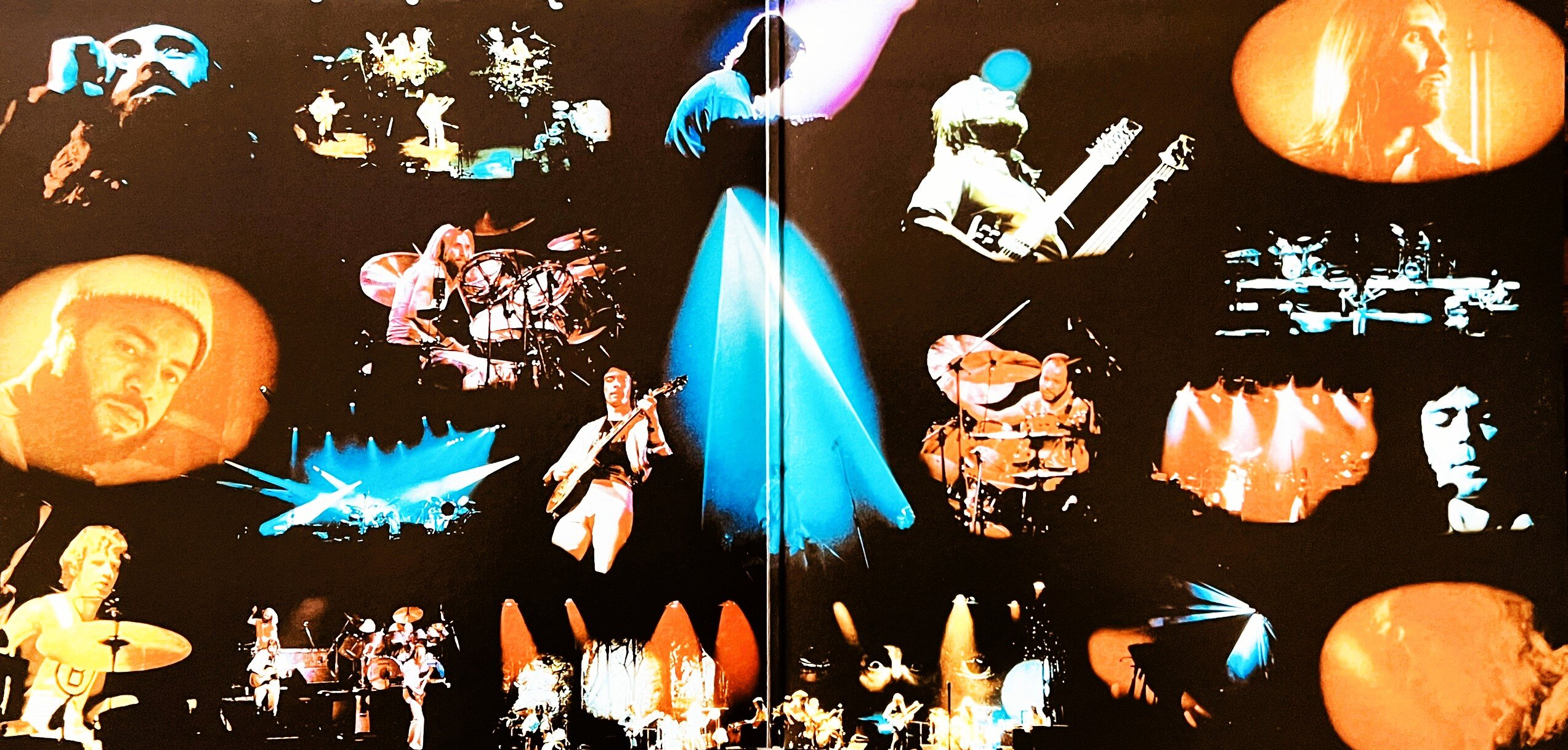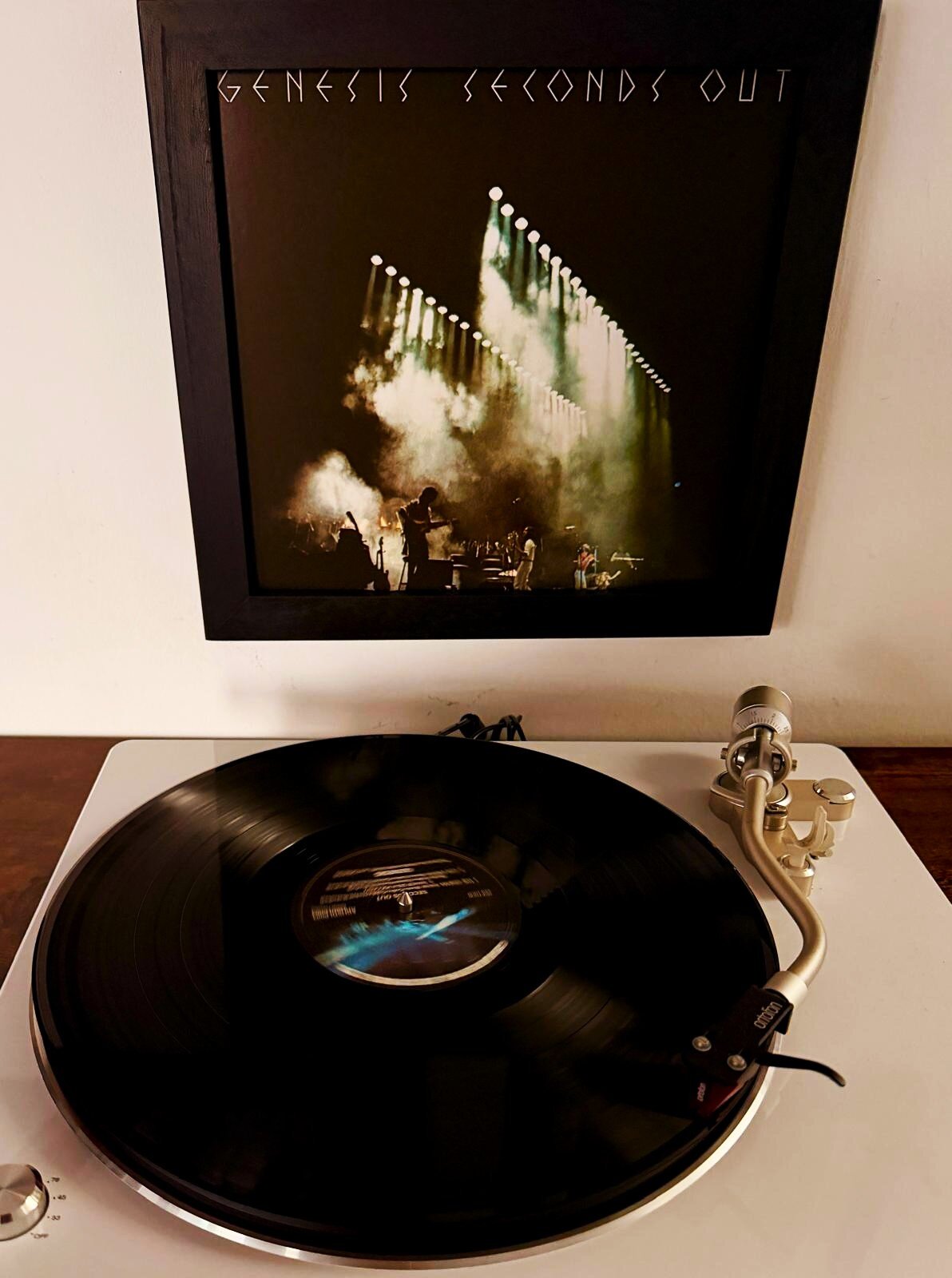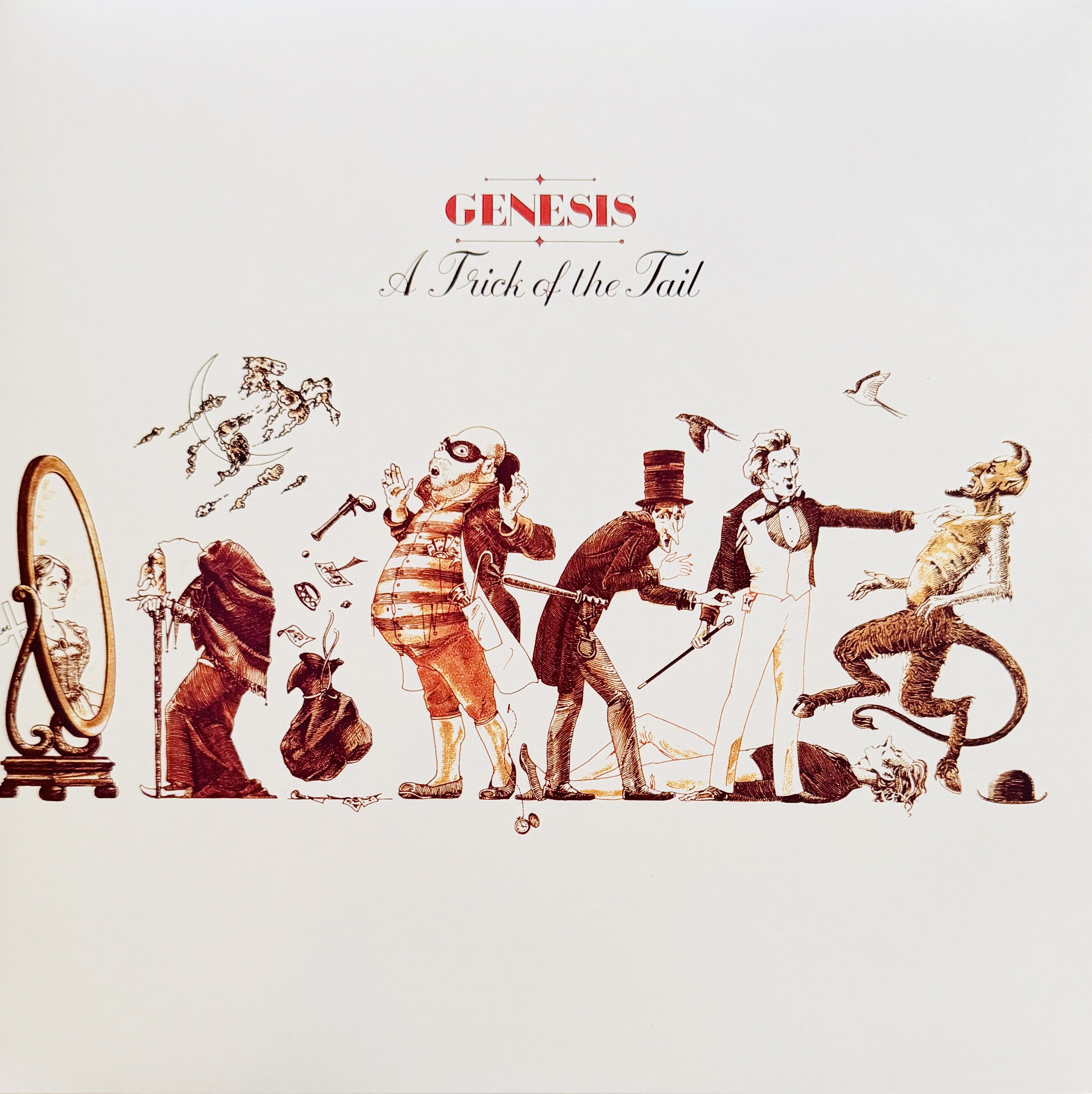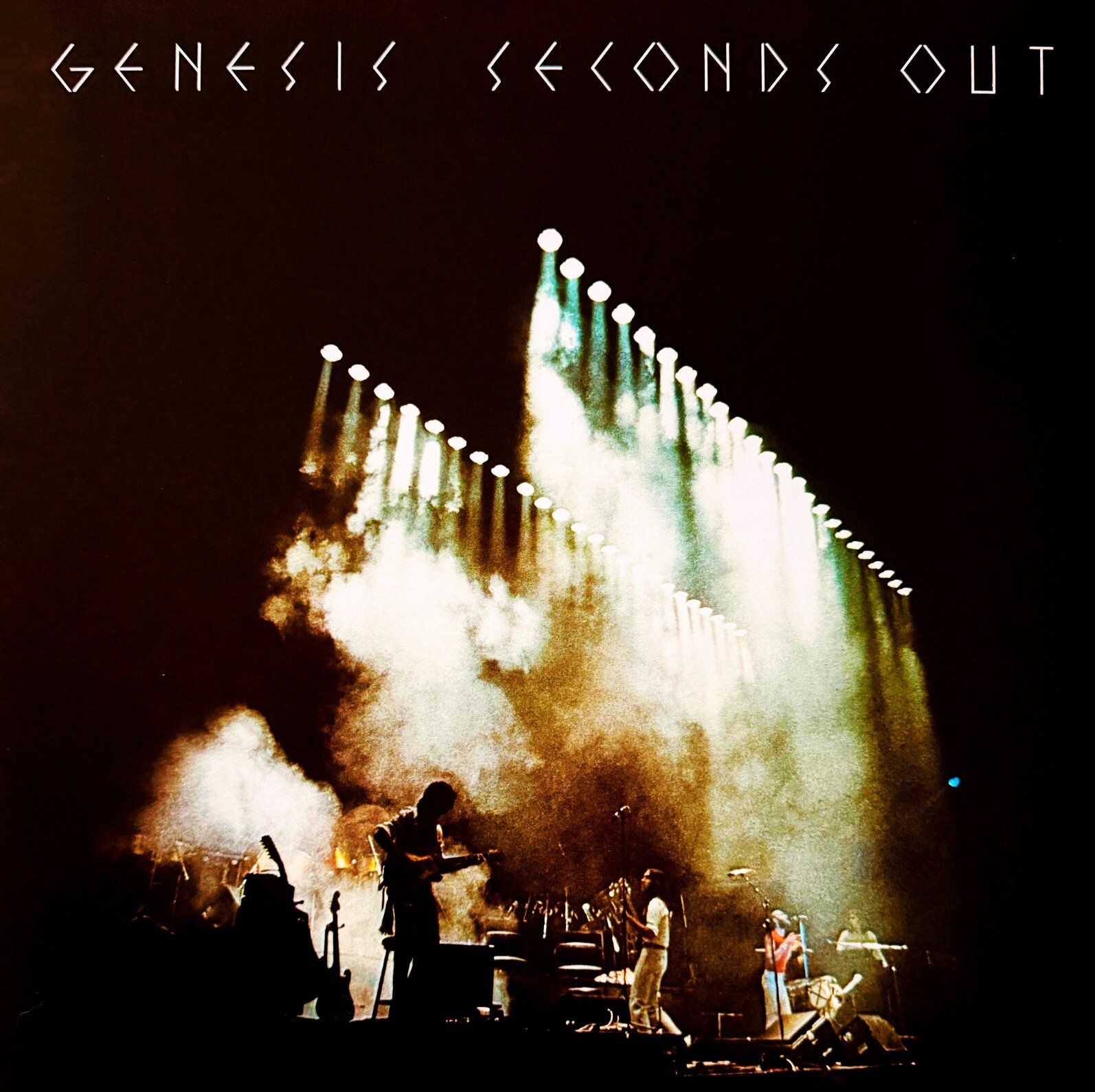
Seconds Out, secondo album dal vivo dei Genesis, pubblicato nel 1977.
Ieri sera me ne stavo tutto assorto in “profondi pensieri” e mia moglie come sempre lo ha notato e mi ha posto la classica tragica domanda “amore a cosa stai pensando?”, una di quelle domande per le quali noi uomini dobbiamo per forza costruire risposte diverse da “niente” per non dare il via alla serie di domande successive tipo “ma no dimmi… c’è qualcosa che non va?”.
A me capita spesso, me ne sto lì a pensare ma non sono un grande chiacchierone, o meglio, non lo sono fin quando prendo la decisione di parlare di mia spontanea volontà, allora divento addirittura logorroico.
Ieri sera però ho risposto, non so se è un bene per lei, ma lo ho fatto:
“Amore stavo pensando a Seconds Out un disco live dei Genesis e pensavo che è incredibile come tutti noi appassionati amiamo alla follia il periodo con Gabriel ma diciamo tutti senza distinzione che Seconds Out è un capolavoro live non solo dei Genesis ma addirittura in assoluto uno dei migliori live di sempre, ed è un disco senza Gabriel.”
Lei mi ha anche risposto
“certo, Gabriel è Gabriel, un personaggio, che non è di certo Phil Collins …”
Una risposta che può lasciare spazio a diverse interpretazioni addirittura opposte che ma che essendo perfettamente nel contesto non fa che aumentare il mio amore per lei, che anziché mandarmi caldamente a quel paese, è stata sul pezzo senza la minima esitazione, frutto di anni e anni di vita con un amante del prog, cosa per la quale dovrebbe esistere (oltre alle cuffie) un premio speciale o una indennità addirittura.
L’episodio ci ha ricordato il libro Febbre a 90' (Fever Pitch) di Nick Hornby e ne abbiamo riso molto, pensando al film del 1997 di David Evans tratto dal libro, con la fantastica scena in cui Paul (il protagonista interpretato da Colin Firth) viene interrogato da Sarah (Ruth Gemmell nel ruolo di Sarah Hughes) con la stessa identica domanda e lui prima esita rispondendo
“Uhm... niente, così. Pensavo a David Herbert Lawrence. A che proposito? Al più lungo dei suoi libri. Non me lo ricordo.”
Ma poi ammette che non stava pensando a Lawrence.
“Senti, non stavo pensando a David Herbert Lawrence. Pensavo all'Arsenal. Potremmo vincere il campionato quest'anno. Siamo primi a metà stagione, stiamo giocando alla grande...”
…rivelando il conflitto tra la sua ossessione per l’Arsenal e la sua relazione mostrando che per lui il calcio è una passione irrazionale e totalizzante, quasi una religione, che definisce il suo mondo e le sue priorità.
Per me il Prog è lo stesso, a volte sembra che io stia pensando ai massimi sistemi o chissà quale problema o importante pensiero, mentre invece sto pensando a un disco o ad un articolo, una recensione, a un consiglio sui social che ho ricevuto per una nuova band o al prossimo concerto da prenotare. Se non avessi anche la passione per il calcio sarebbe tutto ok, ma quella la ho leggermente sopita per non incorrere in costose pratiche di divorzio e mi limito a “casualmente” non organizzare cose fuori casa quando ci sono le partite importanti.
Riguardo ai Genesis, come ho già detto in altre recensioni dei loro dischi, è un legame speciale soprattutto quello con gli album dell'era Gabriel, realizzati quindi nel quinquennio 1969-1974, grazie ad un miracolo e cioè alla unione di musicisti straordinari nel loro momento migliore di creatività e tecnica, nello stesso momento, nella stessa band.
Torno sempre dai Genesis, pur ascoltando moltissima musica, è una sorta di sogno ricorrente, le loro note sono sempre ben presenti nella mia mente, ogni parola cantata, urlata o sospirata da Peter, ogni giro di chitarra di Steve, che poi seguirò in tutti i suoi lavori da solista, ogni colpo di batteria di Phil che tanto ho (inutilmente) cercato di imitare negli anni suonando la batteria io stesso, ogni melodia partorita dello straordinario Tony, ogni profondo giro di basso di Mike.
Ogni traccia ricordata a memoria, comprese le pause fra le tracce e compreso il crepitio del vinile, che prima era una cassetta affidatami da un ragazzino come me che dandomela mi disse fuori dalle scuole medie "se vuoi suonare con noi questo è il genere che facciamo".
Ho ascoltato quella TDK e lì è iniziata la mia passione per i Genesis, poi per il rock sinfonico, poi per il progressive rock e poi sono andato alla scoperta di ogni gruppo, sotto-genere del prog, band influenzate dal prog, band che hanno influenzato il prog, band che stanno portando avanti il prog, band che stanno trasformando e riscoprendo il prog ... ed ora che ho ascoltato molto, centinaia di dischi e di gruppi dagli anni 60 ad oggi, nonostante questo lungo viaggio nella musica...torno sempre dai Genesis… sono la mia “Febbre a 90' (Fever Pitch)”
Quella digressione su Seconds Out mi ha fatto venire voglia di riascoltarlo e scrivere questo articolo, cercando di raccontare la storia di un disco immenso e che, insisto, è incredibile come tutti noi appassionati amiamo alla follia il periodo con Gabriel ma diciamo tutti senza distinzione che Seconds Out è un capolavoro live non solo dei Genesis ma addirittura in assoluto uno dei migliori live di sempre, ed è un disco senza Gabriel.
La storia dice che Seconds Out è il secondo album dal vivo dei Genesis, pubblicato nel 1977 ed è uno dei capisaldi del rock progressivo, un documento storico, fondamentale per la band.
Il contesto in cui è stato pubblicato era quello di un una crisi, un momento complesso per il rock progressivo in generale, come già detto nella recente scheda sui Gentle Giant “In a Glass House, il Picco Creativo dei Gentle Giant e la loro Straordinaria Storia”, band che ha subito una simile crisi, nel loro caso irreversibile purtroppo.
A metà degli anni 70 inizia la crisi della musica prog, e varie band come Gentle Giant, Genesis, Yes e Van der Graaf Generator soffrivano dell'influenza punk che cominciava a dominare la scena musicale e molti artisti, me ne viene in mente uno in particolare, Anthony Phillips con The Geese and the Ghost, un capolavoro, pubblicato nello stesso anno di Seconds Out, non ebbero successo nonostante si trattasse di Capolavori, purtroppo usciti fuori tempo massimo.
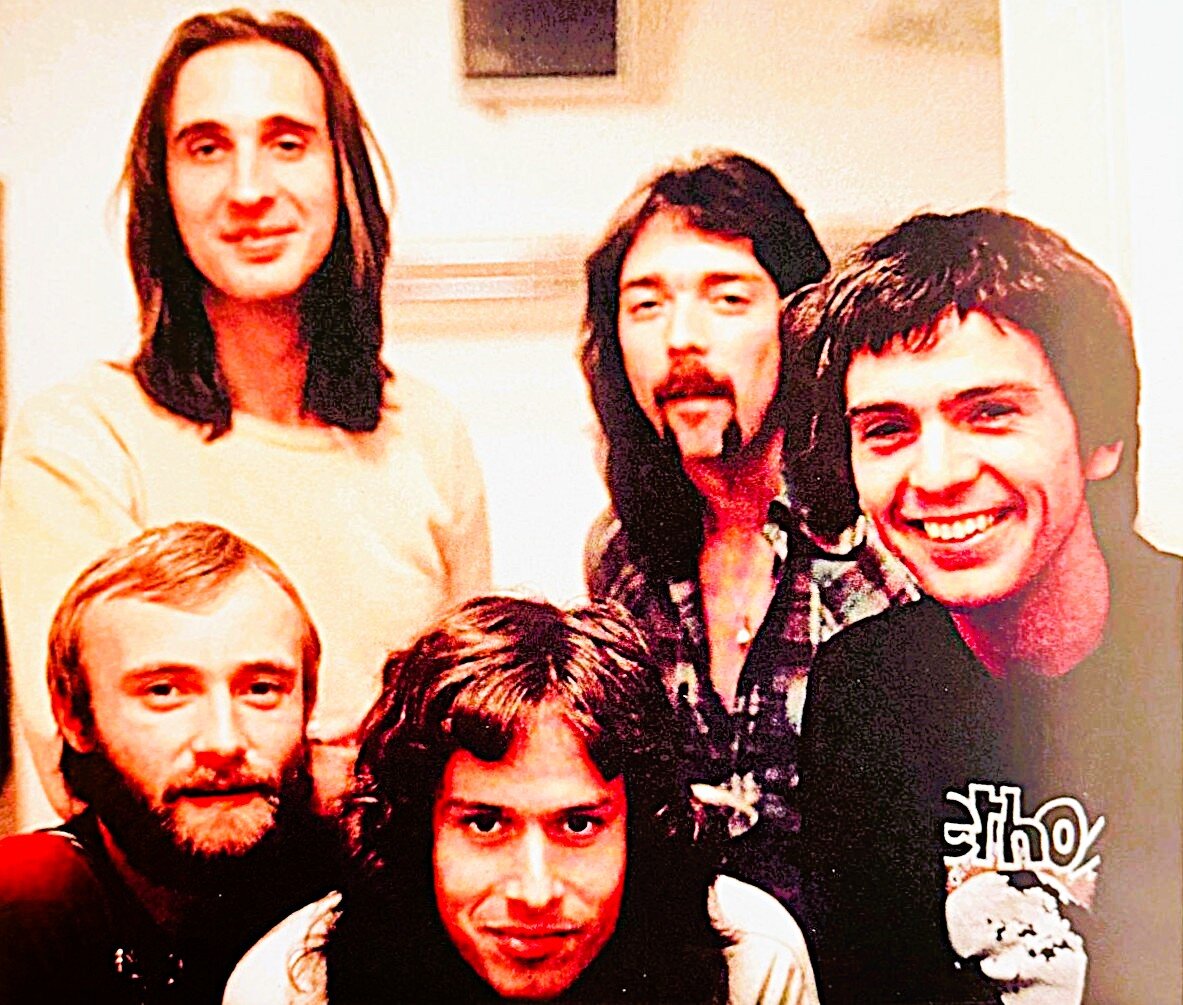
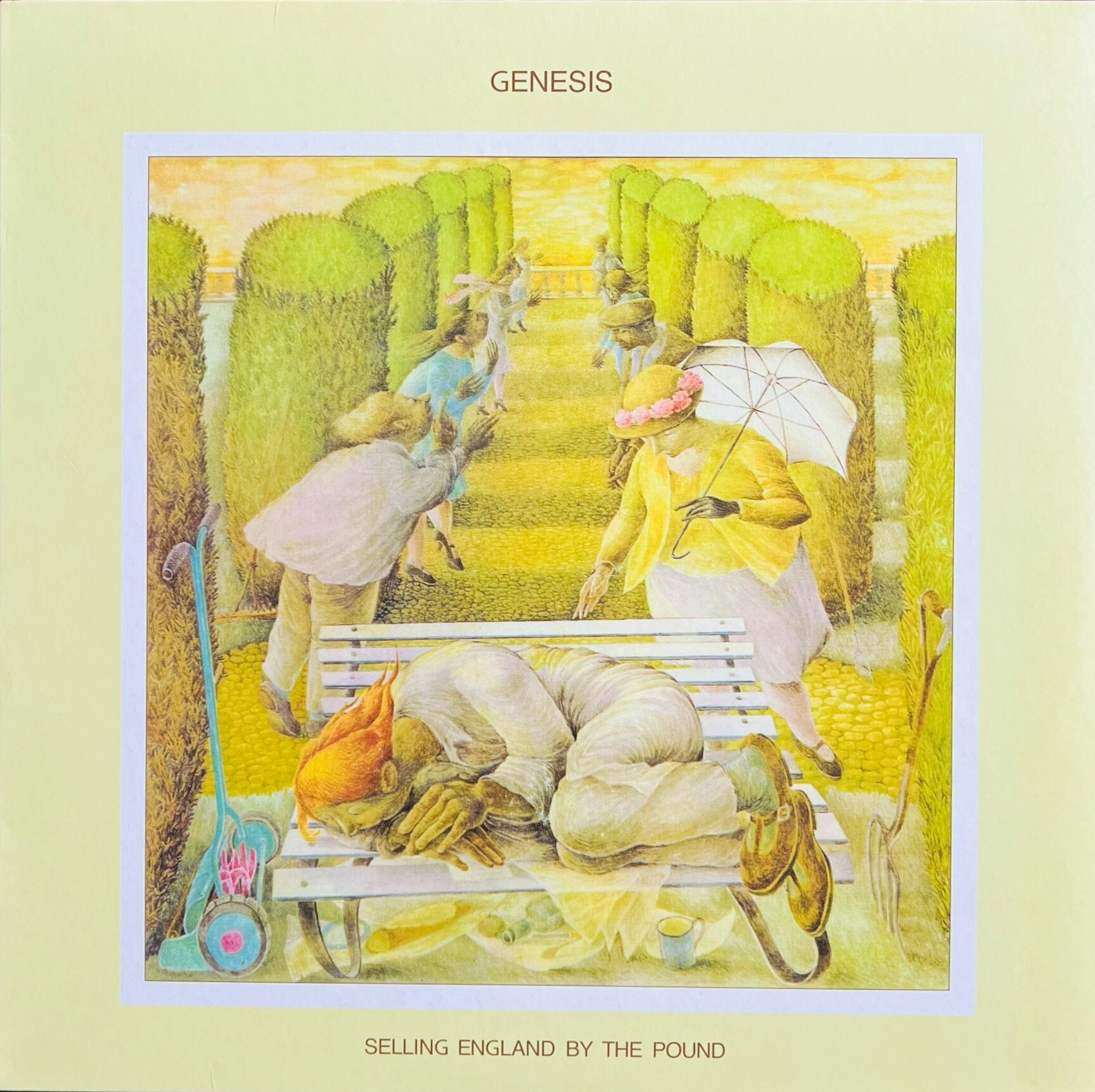
Per i Genesis in particolare era il momento della transizione post-Gabriel, la band era nel pieno del successo della formazione a quattro elementi (Banks, Collins, Hackett, Rutherford) dopo l'addio di Peter Gabriel avevano pubblicato da poco A Trick of the Tail nel 1976 e Wind & Wuthering nel 1976 e il tour da cui è tratto il disco era di supporto ai due album. L'album segna anche la fine definitiva dell'epoca progressive classica dei Genesis, con l'uscita dal gruppo del chitarrista Steve Hackett che lasciò la band proprio durante la fase di missaggio del disco a Londra nell'ottobre 1977.
Dopo questo disco, infatti, la band rimase ufficialmente un trio, portando all'album in studio successivo dal titolo emblematico ...And Then There Were Three....
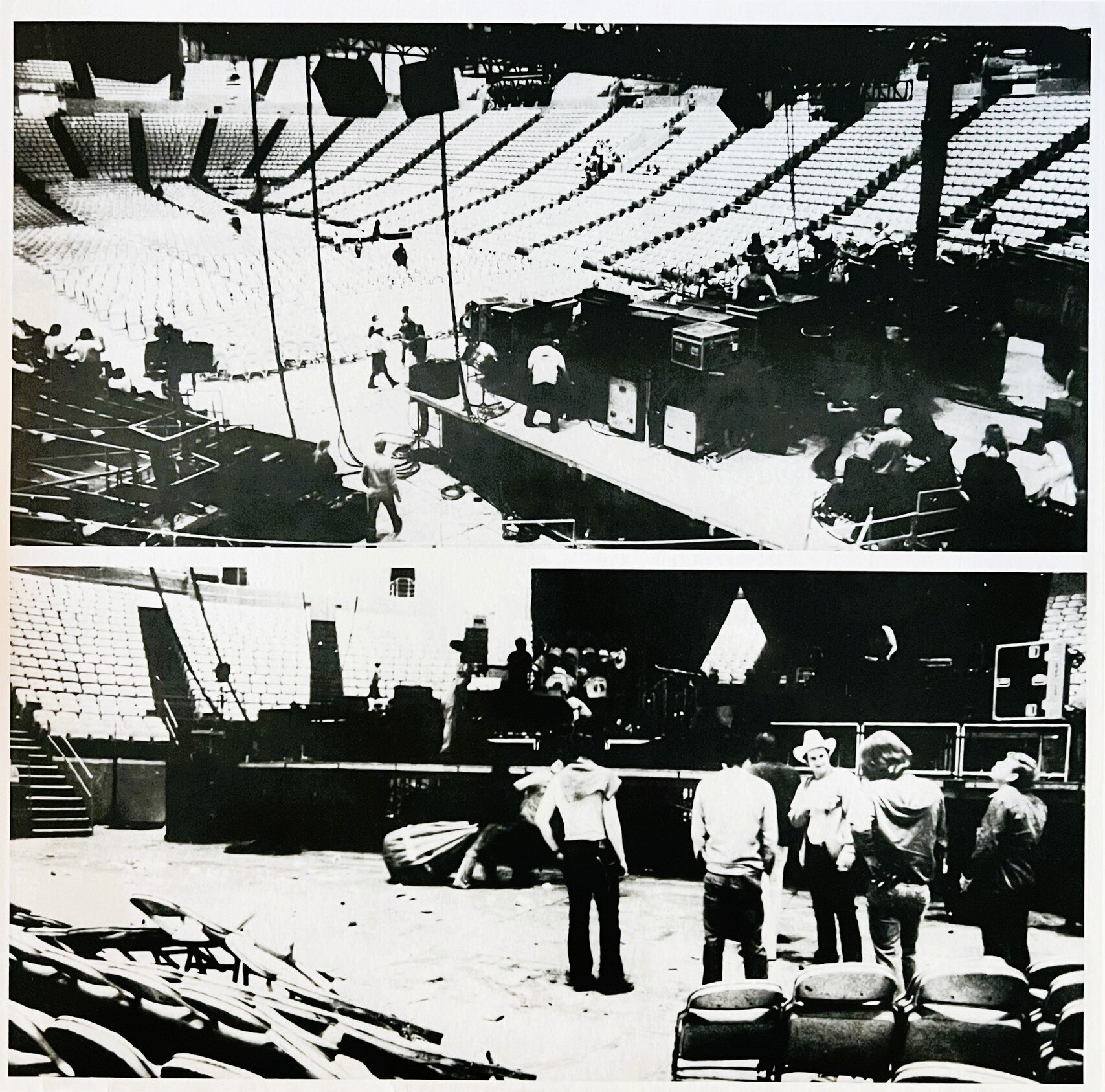
Seconds Out è stato registrato prevalentemente al Palais des Sports di Parigi tra l'11 e il 14 giugno 1977.
Il titolo "Seconds Out" deriva dal pugilato e significa letteralmente "fuori secondi" ed è l'esclamazione del direttore di gara che intima ai secondi di un pugile di lasciare il ring prima del round. Simbolicamente, l'album segna la fine di un'era progressive per i Genesis, rappresentando un punto di svolta e di transizione dopo l'uscita di Steve Hackett e il passaggio a una fase più pop rock pur celebrando il loro passato.
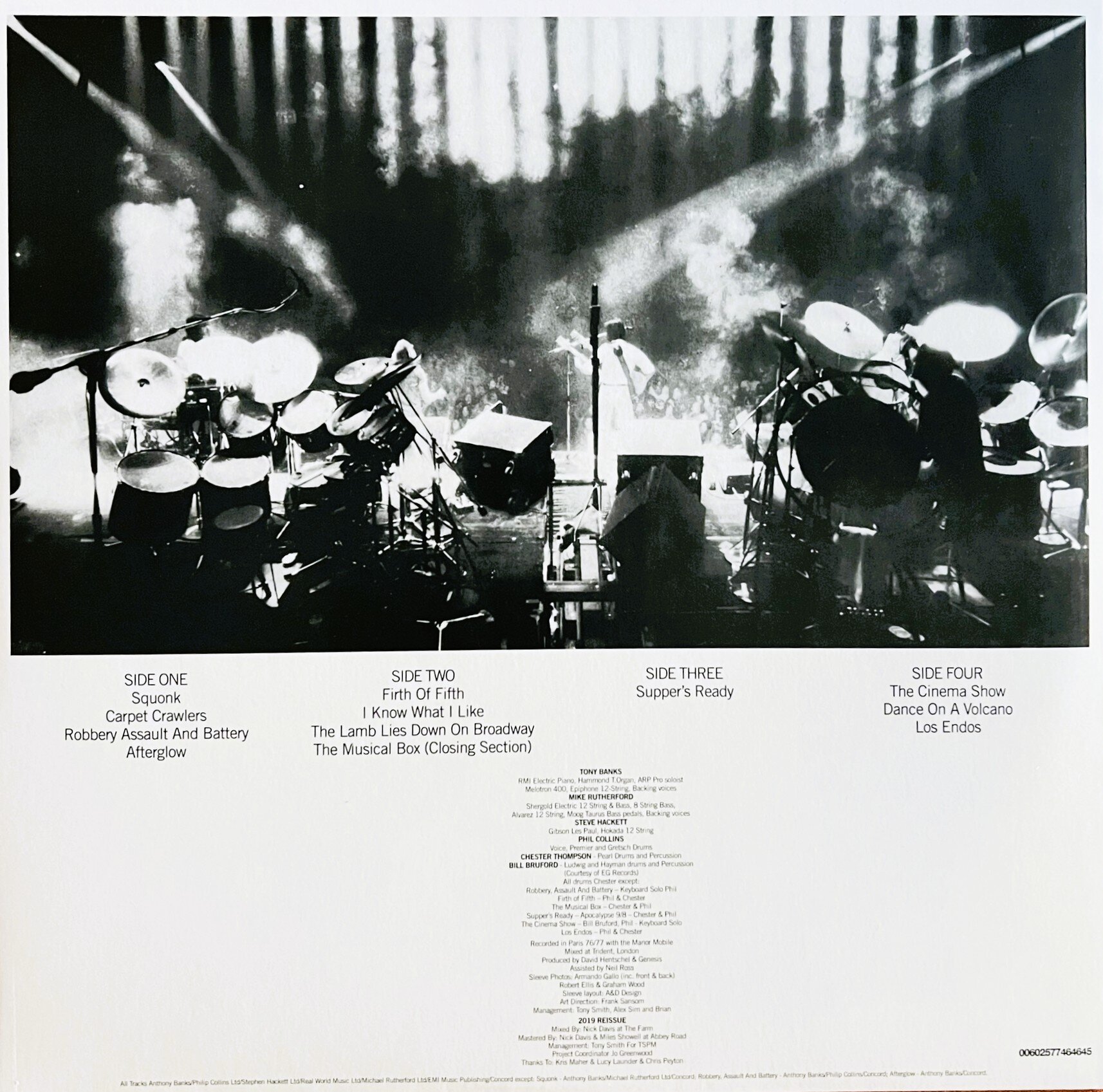
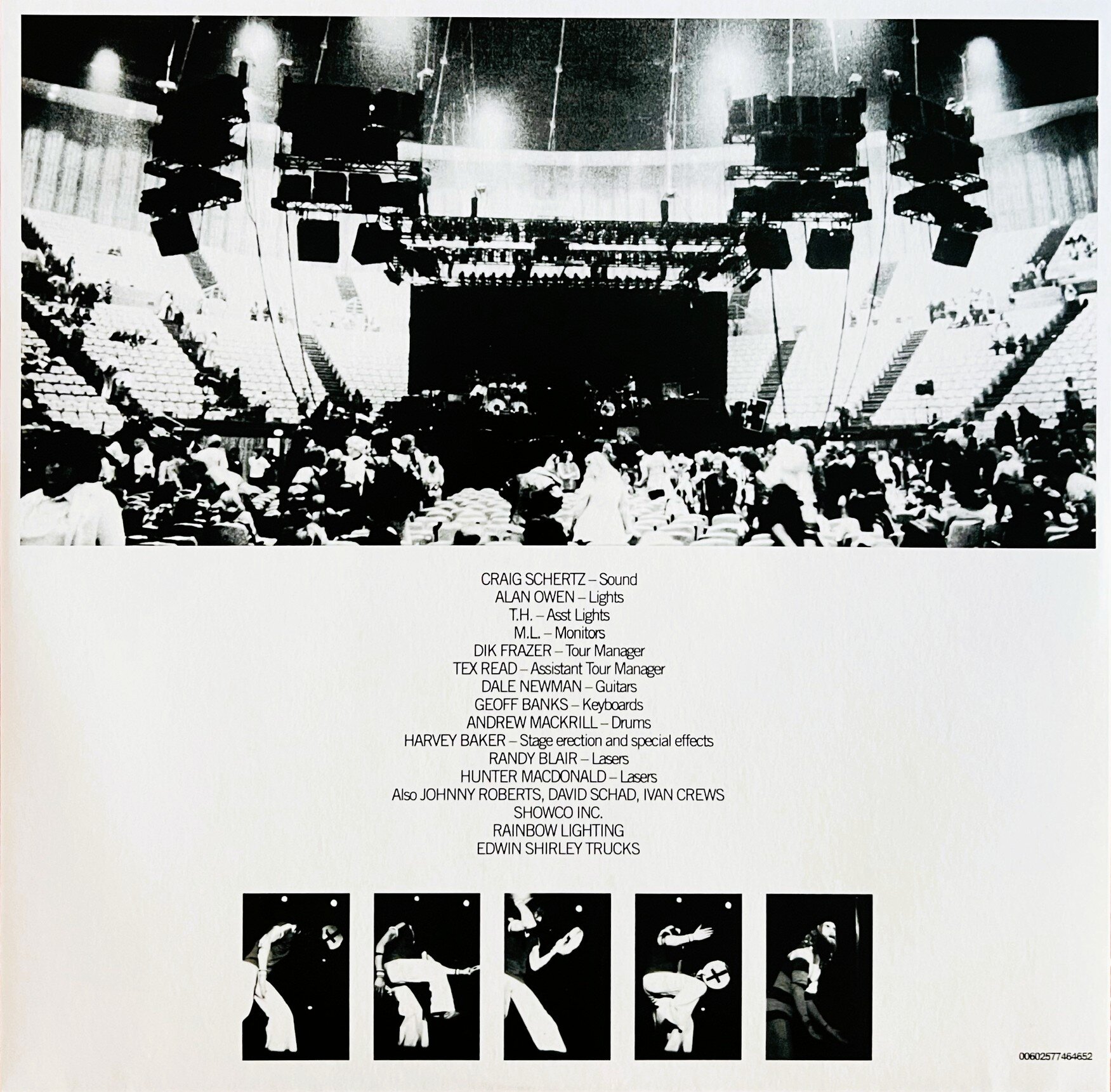
Per permettere a Phil Collins di cantare come frontman, la band ingaggiò Chester Thompson che suona nella maggior parte dei brani e Bill Bruford che suona nell'unica traccia registrata nel 1976 (durante il tour di A Trick of the Tail), "The Cinema Show".
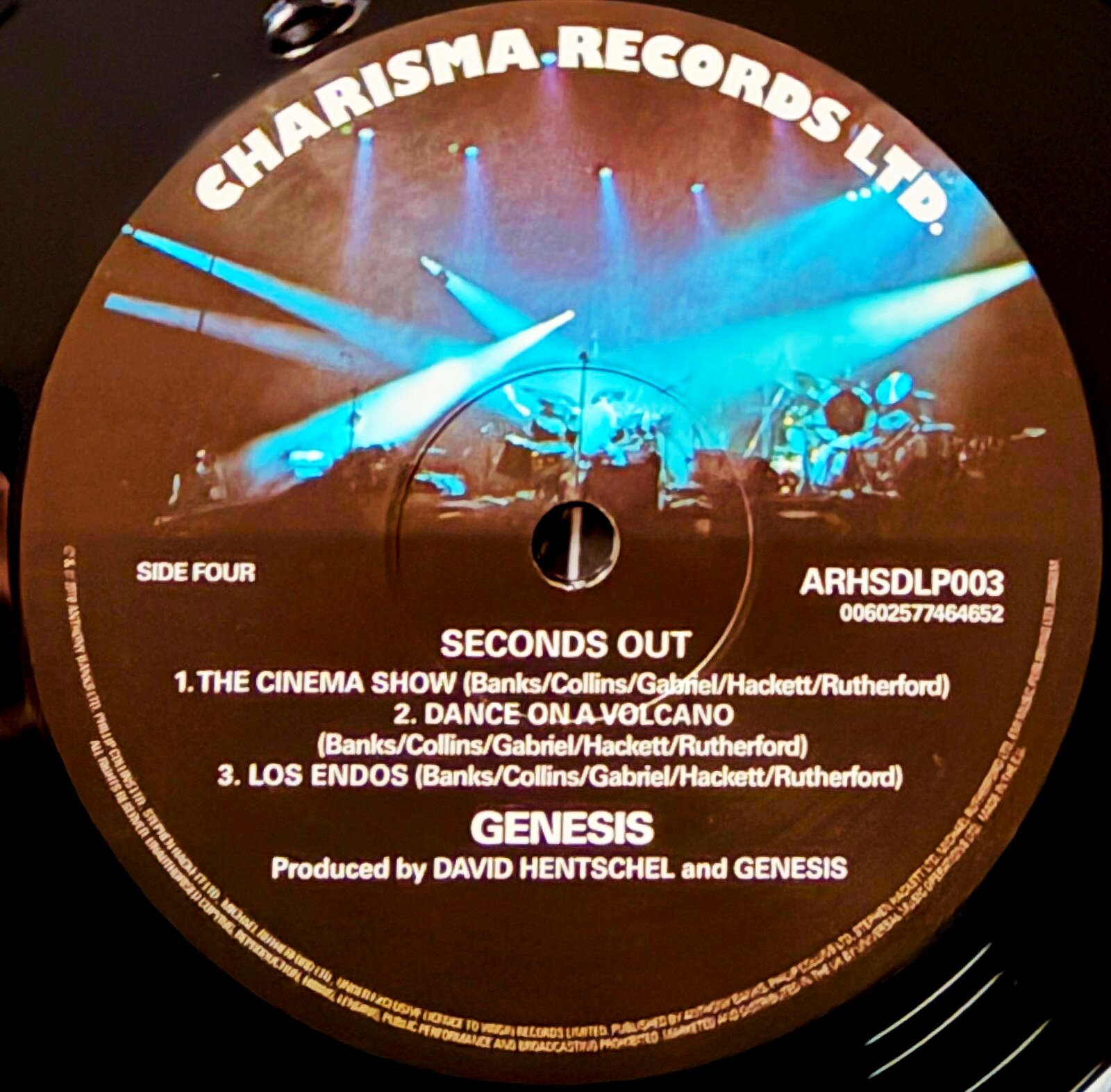
L’album è stato prodotto da David Hentschel e dai Genesis stessi e il missaggio dà giusto risalto alla potenza del suono dal vivo sprigionato dai due batteristi in fantastici drum duets.
Wind & Wuthering e rappresentato dal solo brano Afterglow mentre da A Trick of The Tail provengono quattro brani, i restanti dal repertorio inciso con Peter Gabriel alla voce, tra cui Supper's Ready che occupa l'intera terza facciata.
Leggo in rete che il comunicato stampa dell'epoca lo descriveva come "dalla migliore band dal vivo del mondo, il miglior album dal vivo", dicitura non lontana dalla realtà, quantomeno nel genere progressive rock. Versioni eccellenti dei classici dell'era Gabriel, insieme a brani dell'era più recente come Dance On A Volcano/Los Endos, Squonk valorizzati enormemente dal vivo. Non c'è un brano minore e spicca fra gli altri The Cinema Show grazie all'assolo di Banks e alla batteria nitida di Bill Bruford.
Che dire di questo disco, il live che ho ascoltato di più nella mia vita insieme a Péter Frampton Comes Alive e il motivo è banalmente che è un capolavoro immenso, nonostante l'assenza di Peter Gabriel che come noto lasciò la Band dopo il capolavoro The Lamb Lies Down on Broadway del 1974 del quale abbiamo lungamente parlato unitamente al suo album celebrativo ad opera di Dave Kerzner IT - A Celebration of The Lamb Lies Down On Broadway del 2024.
Il lavoro alle batterie di Chester Thompson, Phil Collins nei duetti e di Bill Bruford è una goduria per i batteristi come me e per tutti. Phil Collins è prevalentemente alla voce e come frontman; il ruolo di batterista principale è dell’immenso Chester Thompson, tranne che nella già citata The Cinema Show in cui il batterista è Bill Bruford ma in quasi tutte le parti strumentali Phil Collins lascia il centro del palco e torna alla batteria a raddoppiare la sezione ritmica. Fantastico il duetto per sole batterie che collega Dance on a Volcano a Los Endos.
Durante i missaggi di Seconds Out, Steve Hackett lasciò i Genesis a causa del poco spazio lasciato, a suo giudizio, alle sue composizioni nel gruppo, anche incoraggiato dall'esperienza positiva del suo primo album Voyage of the Acolyte che lo spinse a intraprendere una splendida carriera da solista.
Un disco che chiude definitivamente un'era, che dopo Gabriel vede l'abbandono di Hackett per quella che io considero la chiusura definitiva col Prog e la definitiva apertura verso uno splendido, ben fatto, ben inserito nel mainstream, ben suonato, ma sempre comunque, per quanto si vogliano aggiungere aggettivi, sempre e comunque pop.
Nota: Tutti i link ai lavori dei musicisti sono nei TAG sotto il titolo dell'articolo o nella pagina "Artisti"
Tracklist
1. Squonk (6:27)
2. The Carpet Crawl (5:10)
3. Robbery, Assault & Battery (6:00)
4. Afterglow (4:18)
5. Firth of Fifth (8:37)
6. I Know What I Like (8:34)
7. The Lamb Lies Down on Broadway (5:05)
8. The Musical Box (closing section) (2:44)
9. Supper's Ready (24:30)
10. Cinema Show (11:00)
11. Dance on a Volcano (4:22)
12. Los Endos (6:24)
Durata 93:11
LineUp
- Phil Collins - voce solista, batteria (3, 5, 8, 9, 10, 12)*, percussioni
- Steve Hackett - chitarra Gibson Les Paul, chitarra Hokada a 12 corde
- Tony Banks - pianoforte elettrico RMI, organo Hammond T, ARP Pro Soloist, Mellotron 400, chitarra Epiphone a 12 corde, cori
- Mike Rutherford - bassi a 4 e 8 corde, pedali per basso Moog Taurus, chitarre acustiche ed elettriche a 12 corde, cori
- Chester Thompson - batteria e percussioni
Con:
- Bill Bruford - batteria e percussioni (10)