Going for the One degli Yes pubblicato nel 1977.
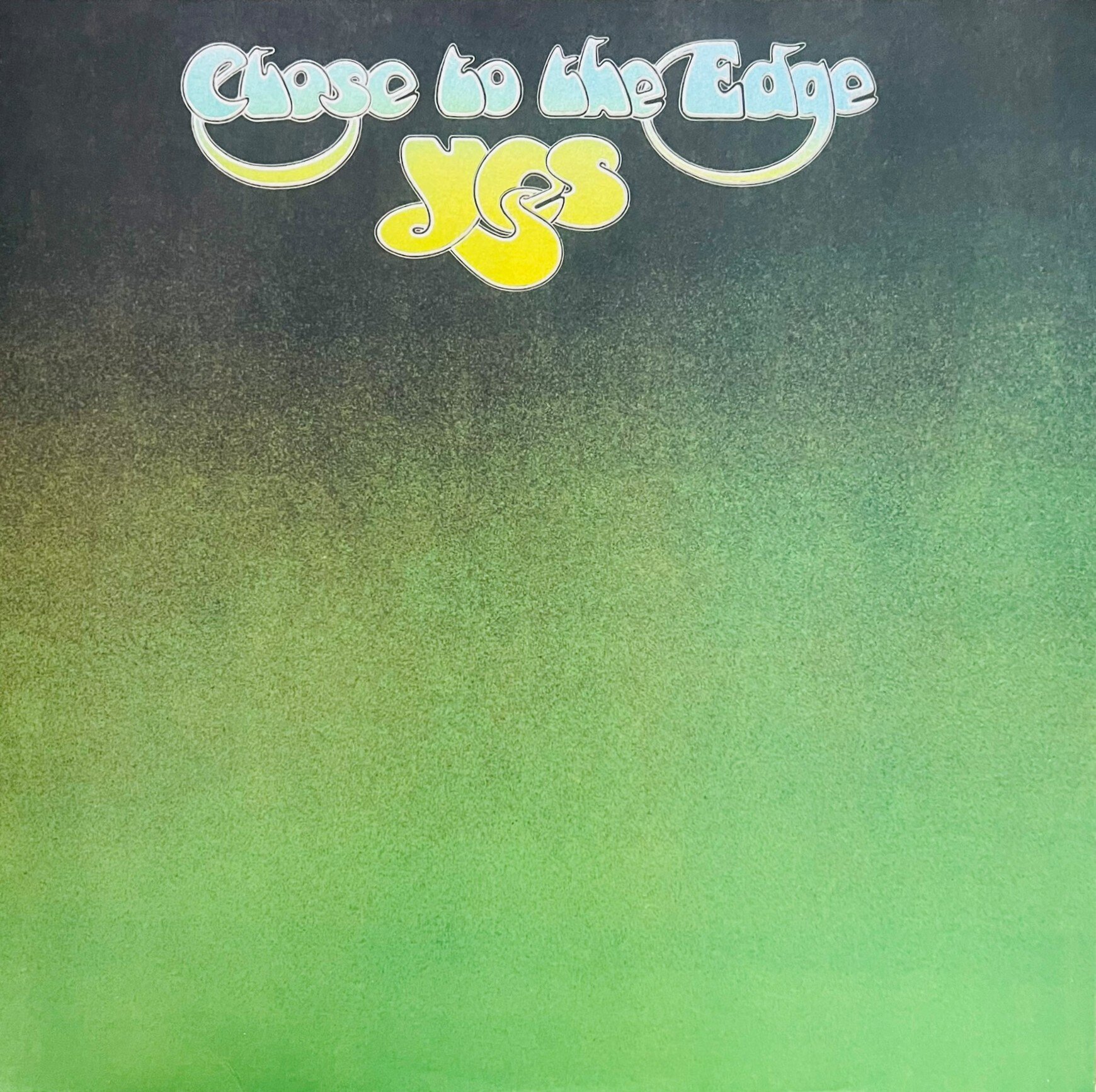
Degli YES ho lungamente parlato in occasione delle recensioni di alcuni dei loro capolavori e nella scheda a loro dedicata “Il Sofisticato Rock Sinfonico degli YES”, una band stratosferica, fra i principali esponenti del Rock Progressivo nella sua declinazione del Rock Sinfonico, che ha pubblicato fra gli album più belli di questo genere e fra questi uno di quelli che si contende le prime posizioni, Close To The Edge, immenso capolavoro.
Going for the One è l’album che rappresenta un momento cruciale nella storia degli Yes, l'ultimo grande capolavoro della loro formazione classica, che segna il ritorno a sonorità più dirette dopo le sperimentazioni estreme di Tales from Topographic Oceans e Relayer e vede il rientro del tastierista Rick Wakeman. Jon Anderson descrisse l'album come una "celebrazione" dopo anni di sperimentazione estrema, cercando un approccio più rilassato e diretto.
Dopo il tour di Relayer nel 1975, la band si prese una pausa prolungata durante la quale ogni membro pubblicò un album solista a testa da promuovere nel successivo tour del gruppo: ecco allora oltre a Fish Out of Water di Chris Squire gli album gli album Beginnings di Steve Howe, Olias of Sunhillow di Jon Anderson, Ramshackled di Alan White e The Story of I di Patrick Moraz.
Per ragioni fiscali, gli Yes decisero di registrare il loro ottavo album in studio in Svizzera, ai Mountain Studios di Montreux, a partire dall'ottobre 1976.
Durante le sessioni di prova, sorsero delle divergenze creative con il tastierista Patrick Moraz, che lasciò la band. Chris Squire e il manager Brian Lane persuasero Rick Wakeman a tornare, rassicurandolo su un nuovo approccio musicale meno incentrato su suite estese e più vicino al formato canzone, cosa che lo aveva spinto a lasciare in precedenza dopo Tales from Topographic Oceans. Lo stile di Rick Wakeman in questo album si allontana qui dall'uso massiccio di Moog e Mellotron a favore del pianoforte e, soprattutto, dell'organo a canne della chiesa di San Martino a Vevey, in Svizzera. Il sound complessivo è più diretto e meno barocco rispetto ai lavori precedenti, con una struttura che ritorna alla "forma canzone", pur mantenendo una forte matrice progressive.
Per la prima volta, l'album fu prodotto interamente dagli Yes stessi, senza lo storico ingegnere del suono Eddy Offord, sostituito da John Timperley.
L’album esce in piena esplosione del movimento punk, e fu un inaspettato successo commerciale, questo album raggiunse la vetta della classifica degli album nel Regno Unito e l'ottava posizione negli Stati Uniti con il singolo "Wonderous Stories" fu il maggiore successo della band nel Regno Unito fino a quel momento, arrivando al settimo posto.
Non si tratta di un concept album ma i temi sono ricorrenti.
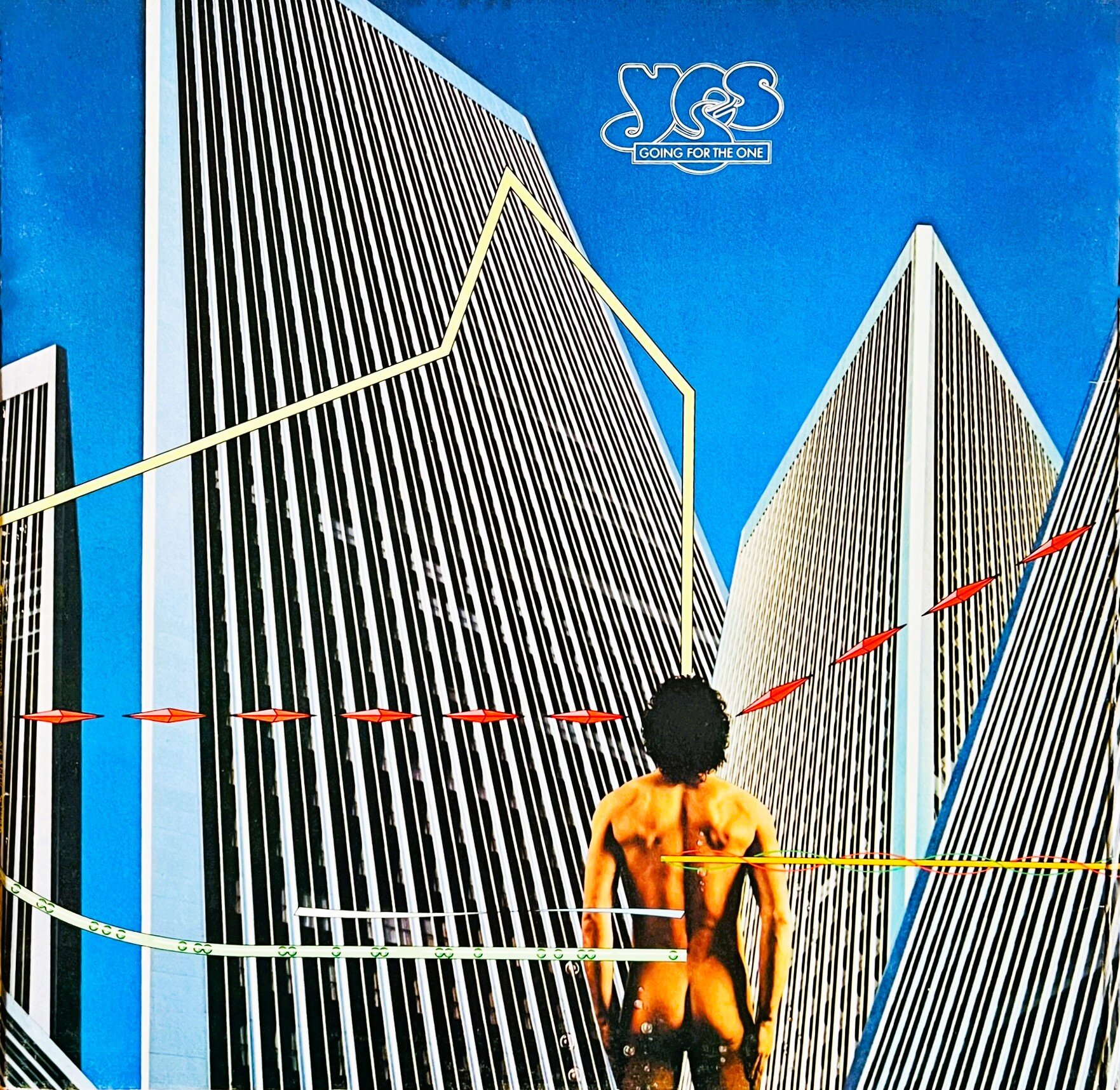
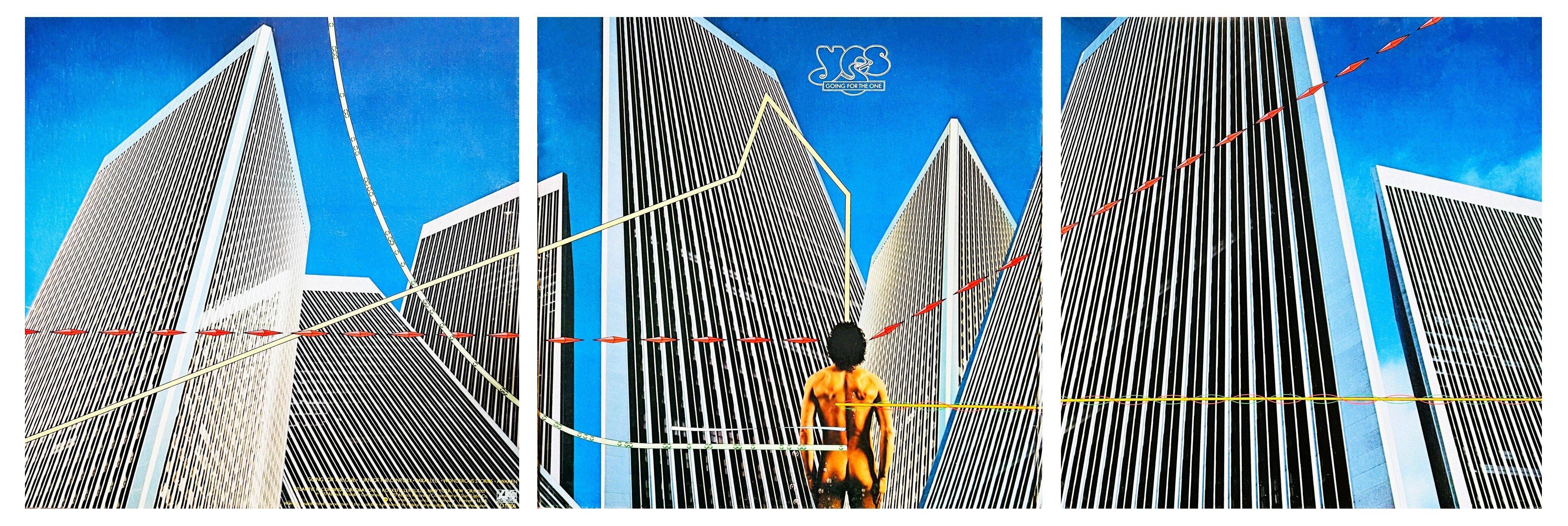
Dal punto di vista visivo l'album segna la fine della lunga collaborazione con Roger Dean a favore dello studio Hipgnosis. Anche il design riflette un cambiamento radicale, con la copertina apribile che mostra un uomo nudo (simbolo dell'essenza umana e delle radici) che osserva i grattacieli di Century City a Los Angeles e rappresenta l'uomo moderno alla ricerca di risonanza spirituale in un mondo tecnologico. Linee colorate attraversano il corpo dell'uomo, aggiunte su richiesta di Jon Anderson e Steve Howe per rappresentare i "punti anatomici relativi allo sviluppo spirituale" o chakra.
La copertina generò molti dibattiti all'epoca, tanto che la rivista Rolling Stone l'ha inclusa nella lista delle "50 peggiori copertine di album di tutti i tempi" e in alcune campagne pubblicitarie (come su Sunset Boulevard a Los Angeles) il fondoschiena dell'uomo fu coperto con un'immagine di un paio di pantaloni per evitare polemiche.
Nonostante il cambio di artista per l'immagine principale, la band ha mantenuto il classico logo "Yes" disegnato da Roger Dean, che appare nell'angolo in alto a destra.
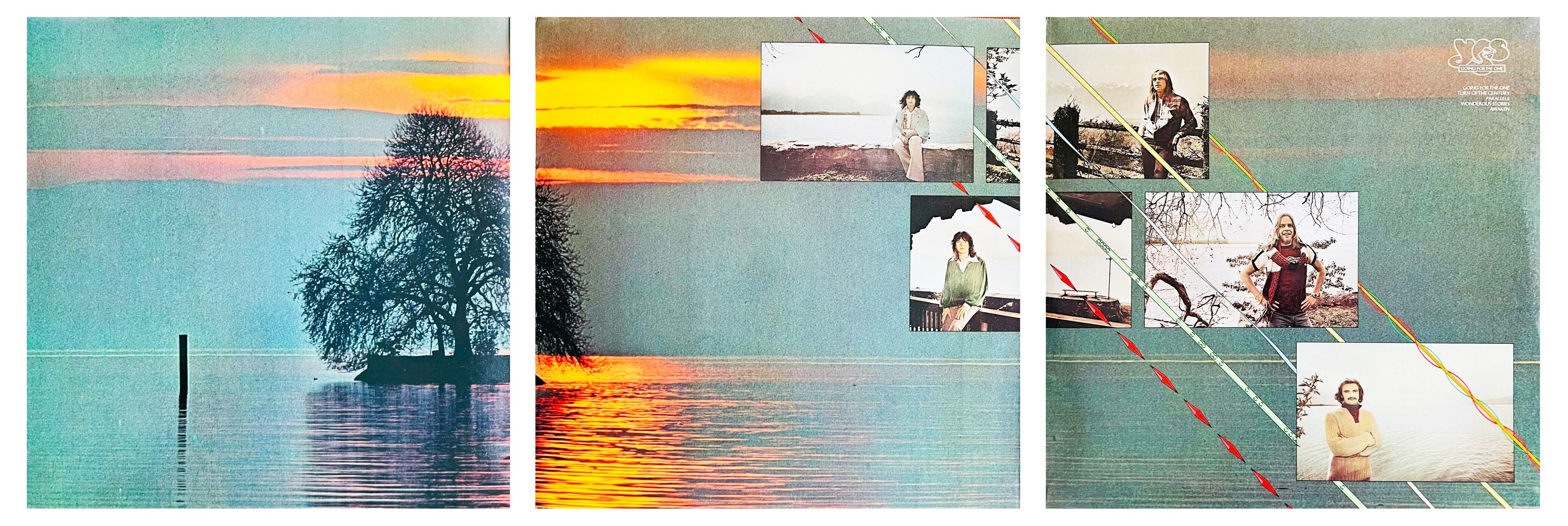
L'album originale in vinile era un "triple-gatefold" (copertina a tre ante apribili come questa mia vecchia copia del 1977 UK), che permetteva di apprezzare l'intera composizione visiva in un formato più ampio.
Il Titolo: "Going for the One" si riferisce metaforicamente alla ricerca dell'eccellenza e del traguardo, ispirandosi a diverse immagini: dalle corse dei cavalli (un "thoroughbred racing chaser") a un viaggio avventuroso lungo il Grand Canyon.
Musicalmente i brani sono più brevi e accessibili, ad eccezione della suite finale "Awaken" (oltre 15 minuti)
Wakeman abbandonò in gran parte i sintetizzatori Moog e Mellotron a favore del pianoforte e di un organo a canne della chiesa di San Martino a Vevey, utilizzato in "Parallels" e "Awaken". Steve Howe, inoltre, fece un uso significativo della pedal steel guitar nella title track.
- Going for the One apre il disco con un rock inusuale per la band, col la bellissima steel guitar di Steve Howe che dona un sound country.
- Turn of the Century è una ballata acustica meravigliosa, con grandi armonie vocali di Jon Anderson su un eccellente lavoro di chitarra e pianoforte. Il brano è ispirato al mito greco di Pigmalione e all'opera La Bohème e narra di uno scultore che riporta in vita la moglie defunta attraverso la sua arte.
- Parallels, brano composto da Chris Squire ha una maestosa parte d’organo a canne.
- Wonderous Stories è un brano melodico, uno dei singoli di maggior successo commerciale del gruppo.
- Awaken è una suite di oltre 15 minuti, un nuovo capolavoro degli Yes, che Jon Anderson ha definito il loro punto più alto, con classico e rock progressivo che si fondono perfettamente grazie anche all'uso del coro e dell'organo da chiesa. È un brano Ispirato dal libro The Singer di Calvin Miller (una metafora della storia di Gesù), tratta dell'interconnessione di tutta la vita e del risveglio spirituale.
Un sound fresco per una band capace di rinnovarsi di fronte all'avanzata del punk e della disco music del periodo, in equilibrio perfetto tra accessibilità melodica e complessità strumentale, l’ultimo capolavoro dell'"era classica" degli Yes, un punto di equilibrio tra complessità progressive e immediatezza rock
Going for the One chiude un capitolo della storia dei grandi Yes, ma resta un disco ancora su grandi livelli, mai banale né semplice tecnicamente anche se non presenta grandi innovazioni, adatto agli appassionati del prog anni ’70, agli amanti dei grandi Yes e a tutti gli amanti della musica di qualità.
Nota: Tutti i link ai lavori dei musicisti sono nei TAG sotto il titolo dell'articolo o nella pagina "Artisti"
Tracklist
1. Going for the One (5:30)
2. Turn of the Century (7:58)
3. Parallels (5:52)
4. Wonderous Stories (3:45)
5. Awaken (15:38)
Durata 38:43
LineUp
- Jon Anderson - voce solista, chitarra , arpa
- Steve Howe - chitarra acustica, elettrica e pedal steel, chitarra portoghese a 12 corde, cori
- Rick Wakeman - pianoforte, Mellotron , Minimoog, Polymoog , organo a canne della chiesa di San Martino , arrangiamenti corali
- Chris Squire - bassi fretless e a 4, 6 e 8 corde, cori
- Alan White - batteria e percussioni, percussioni accordate
Con:
- Richard Williams Singers - coro femminile
- Ars Laeta di Losanna - coro registrato all'Église des Planches

.jpeg "Fragile degli Yes")