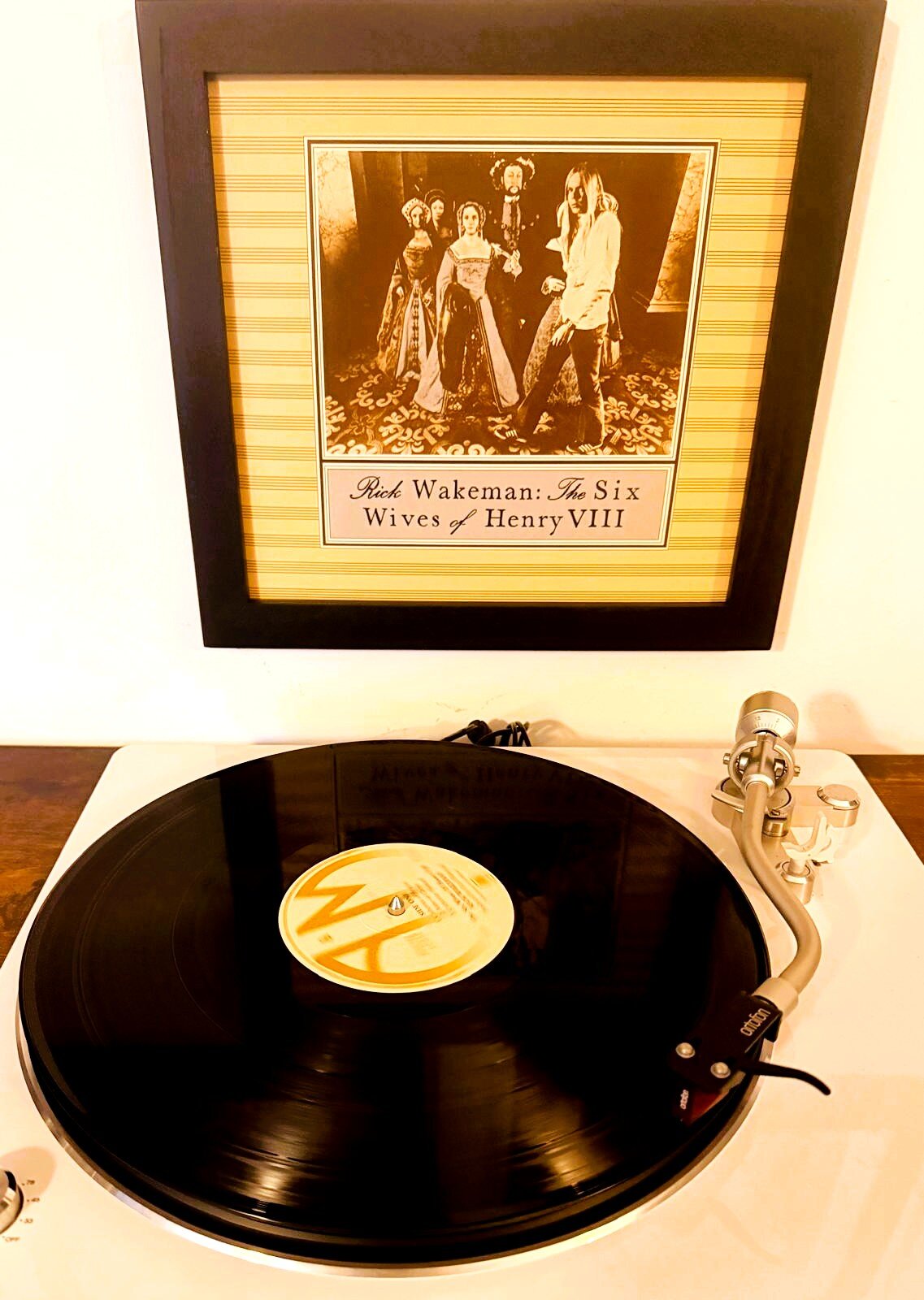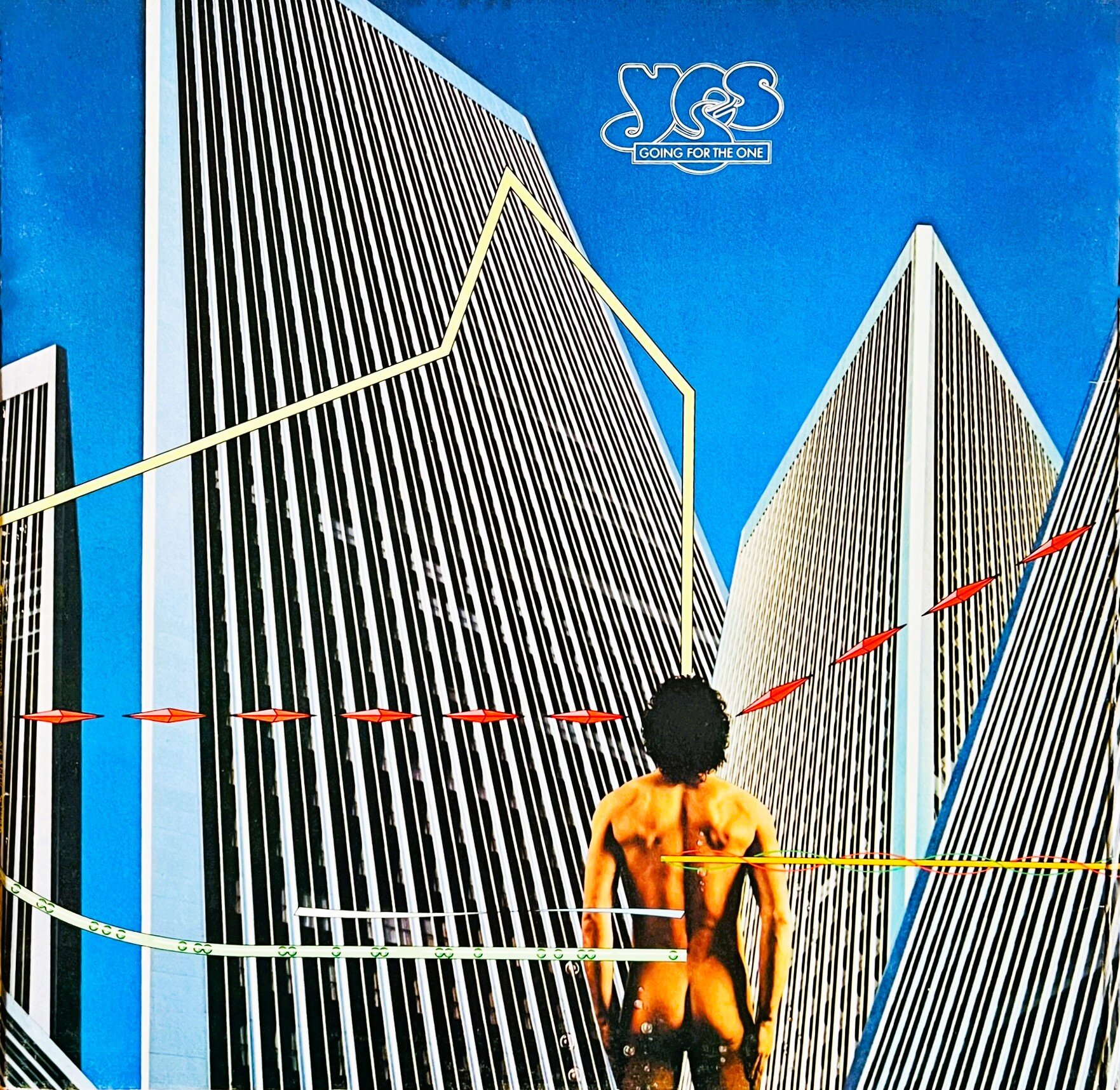

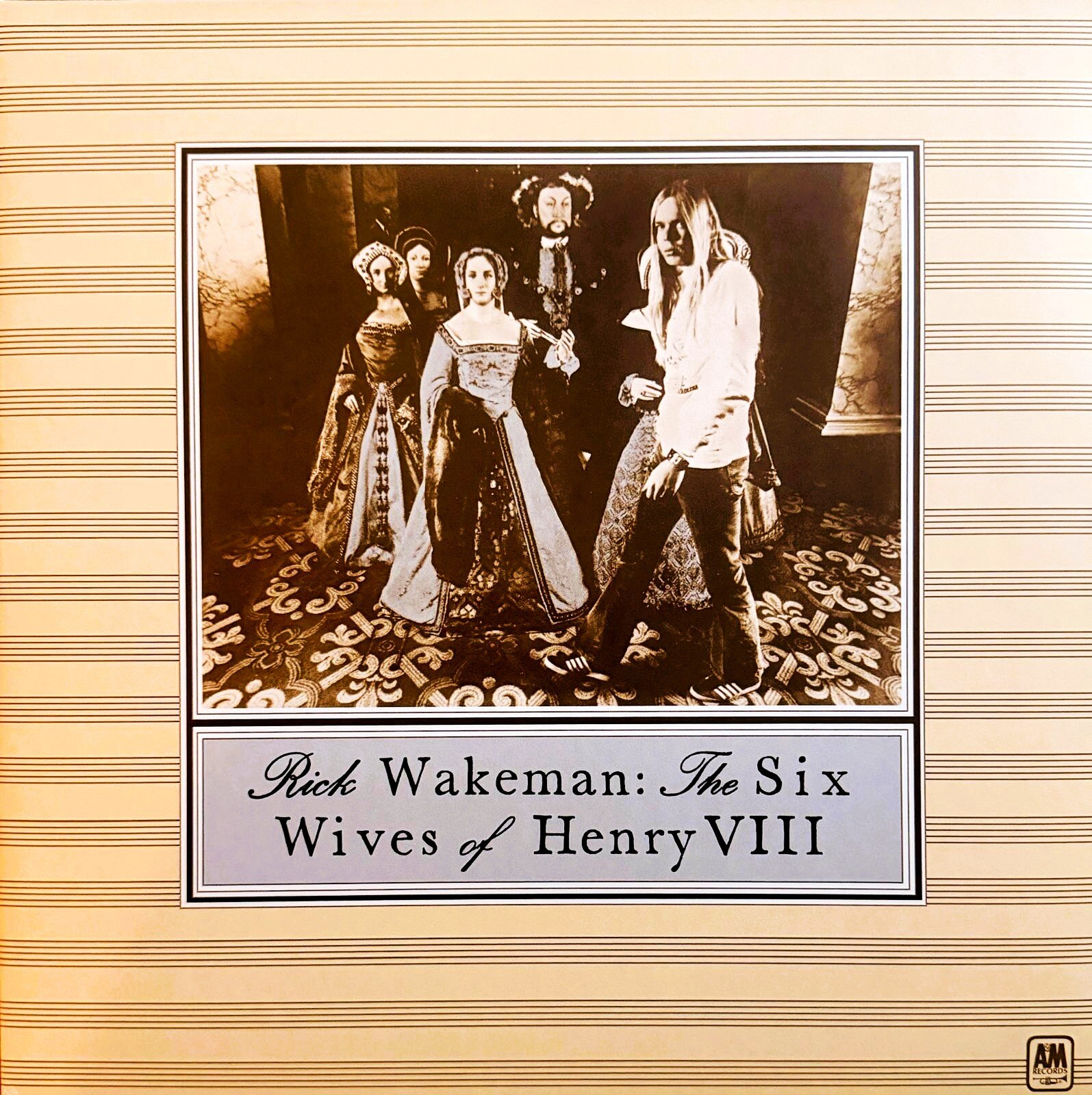
The Six Wives of Henry VIII by Rick Wakeman, 1973 album, his first solo album and a milestone of progressive rock.
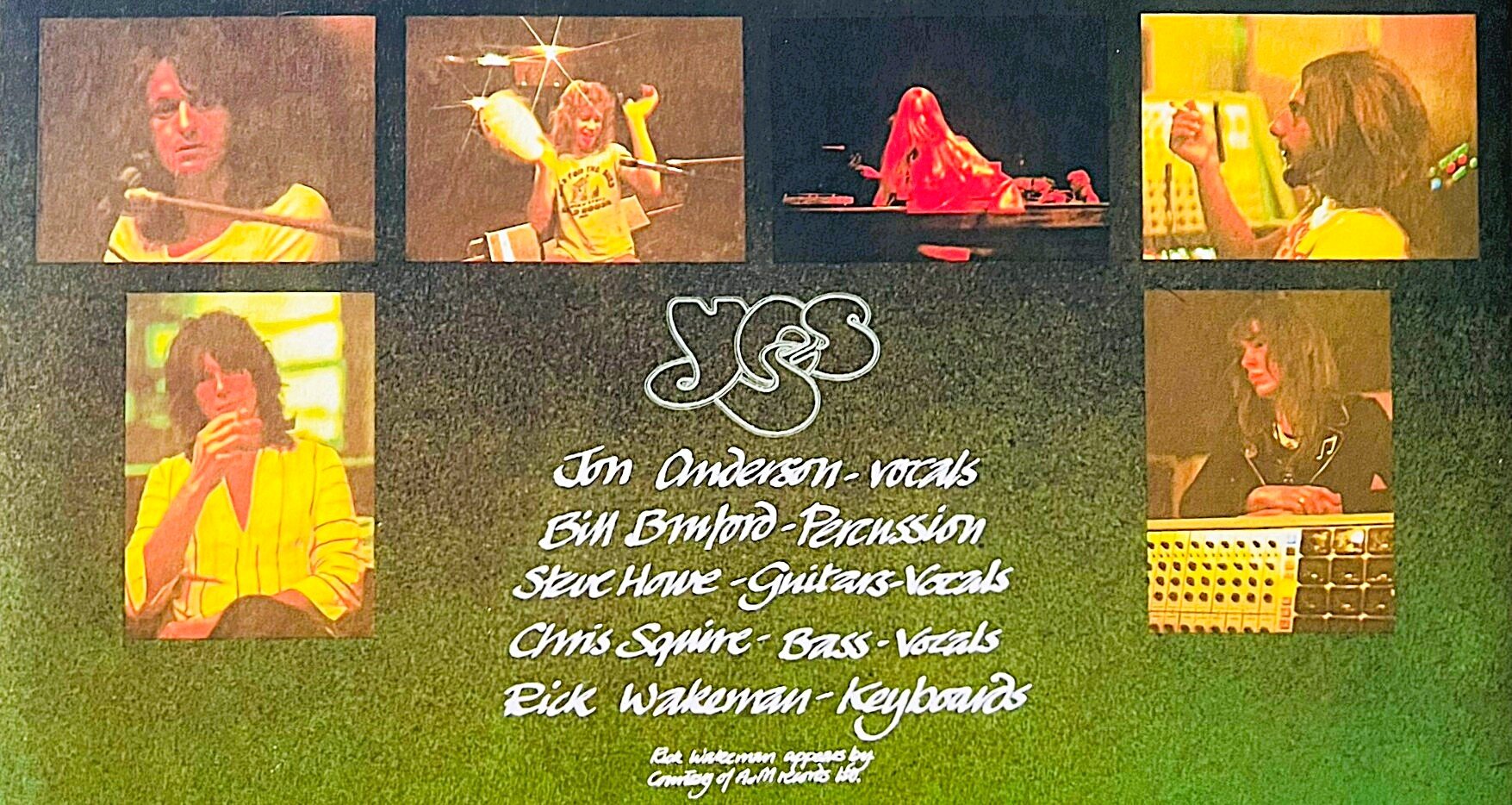
I have spoken at length about Richard Christopher Wakeman, known as Rick Wakeman, in the article “The Sophisticated Symphonic Rock of YES” but I like to recall that he is an immense keyboardist and composer, a great improviser, master of ambitious and grandiose symphonic progressive rock that makes extensive use of keyboards, an instrument of which he is among the most virtuosic, trained as a classical pianist, later moving on to keyboards and synthesizers, with a long and prolific solo career, characterized by some successes especially in the mid-seventies: the instrumental album The Six Wives of Henry VIII (1973), The Myths and Legends of King Arthur and the Knights of the Round Table (1975) and Journey to the Centre of the Earth (1974, over twelve million copies sold). He has often played as a guest or session man for very different artists, such as David Bowie, Elton John, Cat Stevens, Lou Reed, the Black Sabbath, John Williams, Al Stewart and the Brotherhood of Man.
The story of the album is a peculiar one, now one of the most iconic records of progressive rock, but born from a casual inspiration and then becoming a worldwide success against all odds. The idea came to Rick when he was on a flight, in 1972, while touring the United States with Yes. Wakeman bought a biography of Henry VIII at Richmond airport entitled The Private Life of Henry VIII, whose reading fascinated him so much that it pushed him to write melodies inspired by the musical characteristics and personalities of the king's six wives. The album was recorded between February and October 1972 at Morgan and Trident Studios in London by a supergroup; Wakeman in fact involved his Yes bandmates (Yes - Steve Howe, Bill Bruford, Chris Squire and Alan White) and members of his previous band, the Strawbs (Dave Cousins, Chas Cronk).
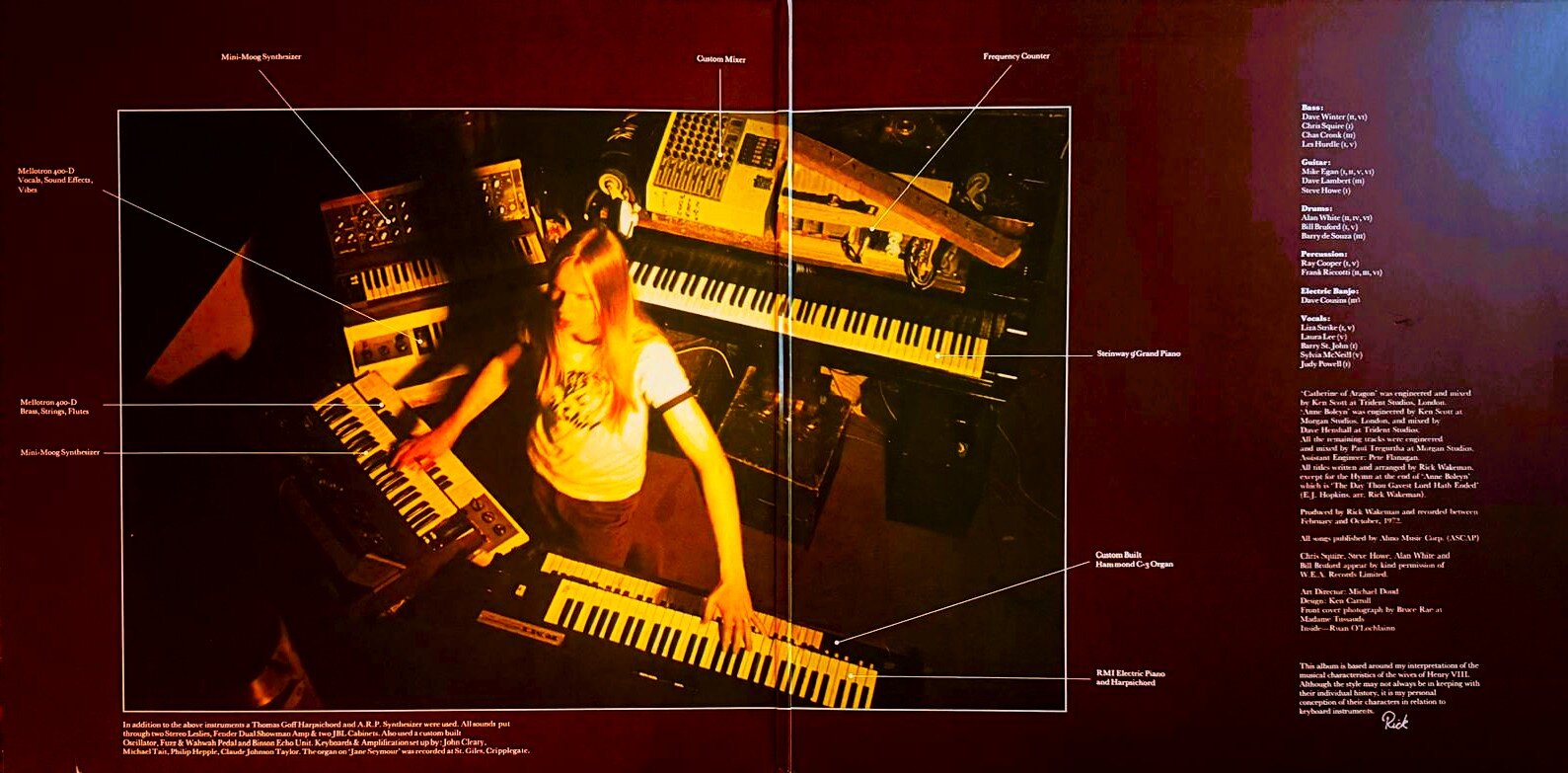
The album is a triumph of keyboards: the Minimoog, the Mellotron 400D and the ARP synthesizer, alongside classical instruments such as the Steinway piano and the pipe organ of the church of St. Giles-without-Cripplegate.
Despite being an entirely instrumental album, it reached no. 7 in the UK and no. 30 in the USA, selling about 15 million copies worldwide.
Musically, the album highlights Wakeman's keyboard mastery, a triumph of his keyboards and creativity, through medieval atmospheres, with excellent performances by the other musicians as well.
The six wives… tracks
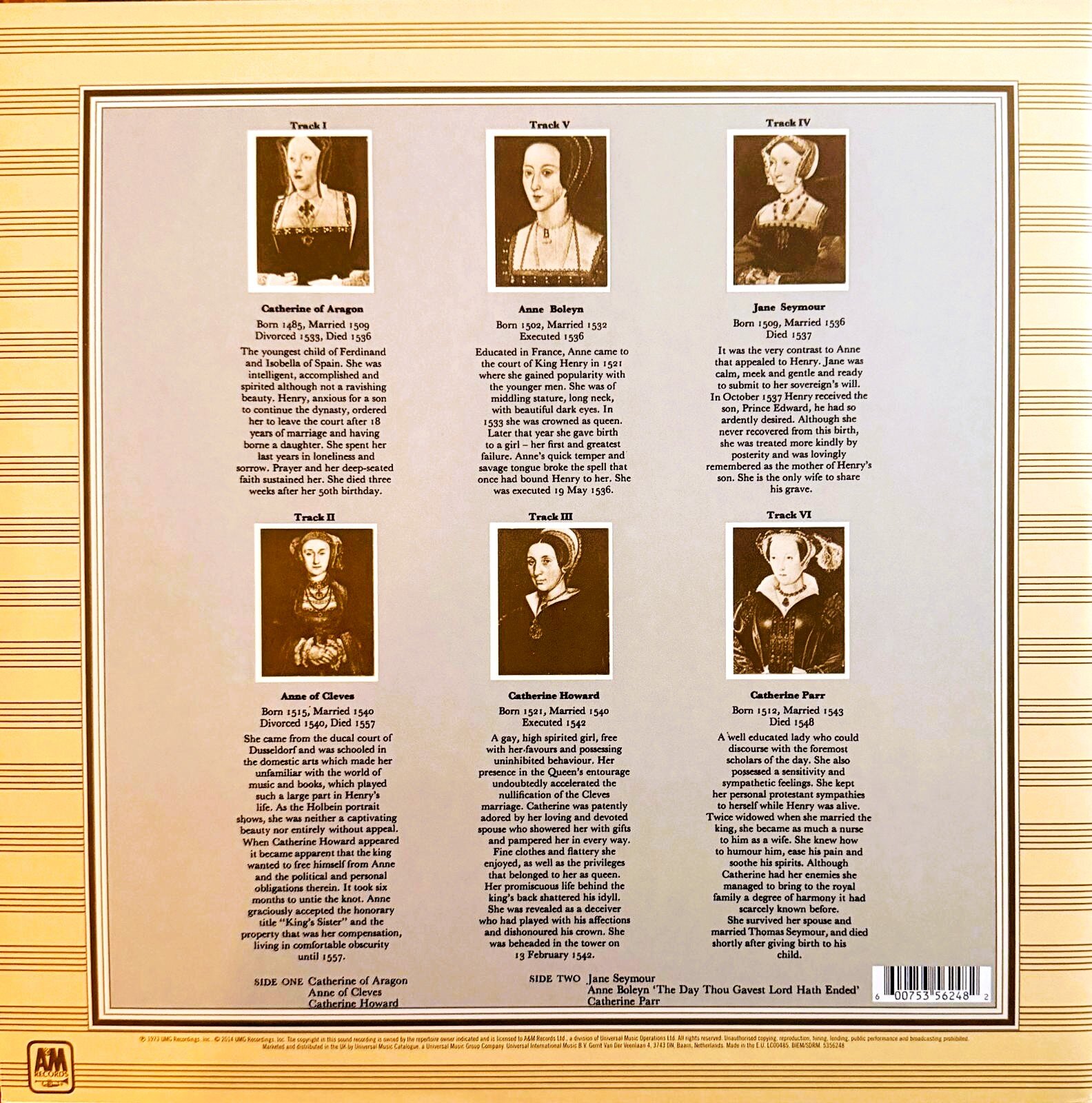
- Catherine of Aragon is the opening track, majestic and dramatic.
- Anne of Cleves is the longest and most lively piece, characterized by aggressive rhythms and an almost jazzy approach.
- Catherine Howard is a melodic piece interrupted by sudden insertions of heavy synthesizers.
- Jane Seymour with its fantastic pipe organ (recorded in church), with a spiritual and Bach-like atmosphere.
- Anne Boleyn blends different styles and includes the theme of the funeral choir "The Day Thou Gavest, Lord, is Ended".
- Catherine Parr is the final track, triumphant, with stunning keyboard riffs and percussion.
Some curiosities:
- Originally the album was to be titled Henry VIII and His Six Wives and include a track dedicated to the king himself, entitled "Defender of the Faith", which was excluded due to lack of space on the vinyl of the time.
- In 2009, for the 500th anniversary of Henry VIII's accession to the throne, Wakeman had the privilege of performing the album at court, live in its entirety, at Hampton Court Palace, finally including the tracks discarded in 1973.
A must-listen for lovers of symphonic rock. What virtuosity!!!
Note: All links to the musicians' works are in the TAGS under the article title or on the "Artists" page
Tracklist
1. Catherine Of Aragon (3:45)
2. Anne Of Cleves (7:50)
3. Catherine Howard (6:36)
4. Jane Seymour (4:44)
5. Anne Boleyn (incl. "The Day Thou Gavest Lord Hath Ended") (6:31)
6. Catherine Parr (7:00)
Duration 36:26
LineUp
- Rick Wakeman - Steinway grand piano, RMI electric piano, Hammond C3 organ, acoustic and electric harpsichord, Minimoog, ARP synthesizer, Mellotron 400D, Cripplegate St. Giles church organ (4), arrangements and production
With:
- Mike Egan - guitar (1, 2, 5, 6)
- Steve Howe - guitar (1)
- Dave Lambert - guitar (3)
- David Cousins - electric banjo (3)
- Chris Squire - bass (1)
- Dave Winter - bass (2, 6)
- Chas Cronk - bass (3)
- Les Hurdle - bass (1, 5)
- Bill Bruford - drums (1, 5)
- Alan White - drums (2, 4, 6)
- Barry de Souza - drums (3)
- Ray Cooper - percussion (1, 5)
- Frank Ricotti - percussion (2, 3, 6)
- Judy Powell - choir (1)
- Barry St.John - chorus (1)
- Liza Strike - chorus (1,5)
- Laura Lee - chorus (5)
- Sylvia McNeill - chorus (5)