L'Uomo by Osanna, album 1971.
Osanna is an Italian progressive rock band of the 70s, formed in Naples in 1971, whose sound is a fusion of jazz-rock, heavy guitars, great flute solos and symphonic arrangements together with the popular tradition of Southern Italy, for a completely original Italian progressive rock that was born in the very active Neapolitan prog scene and with a great component of theatricality in live shows.
The original line-up was composed of Lino Vairetti (vocals), Danilo Rustici (guitar), Lello Brandi (bass), Massimo Guarino (drums) and Elio D'Anna (flute, saxophone) who came from Città Frontali.
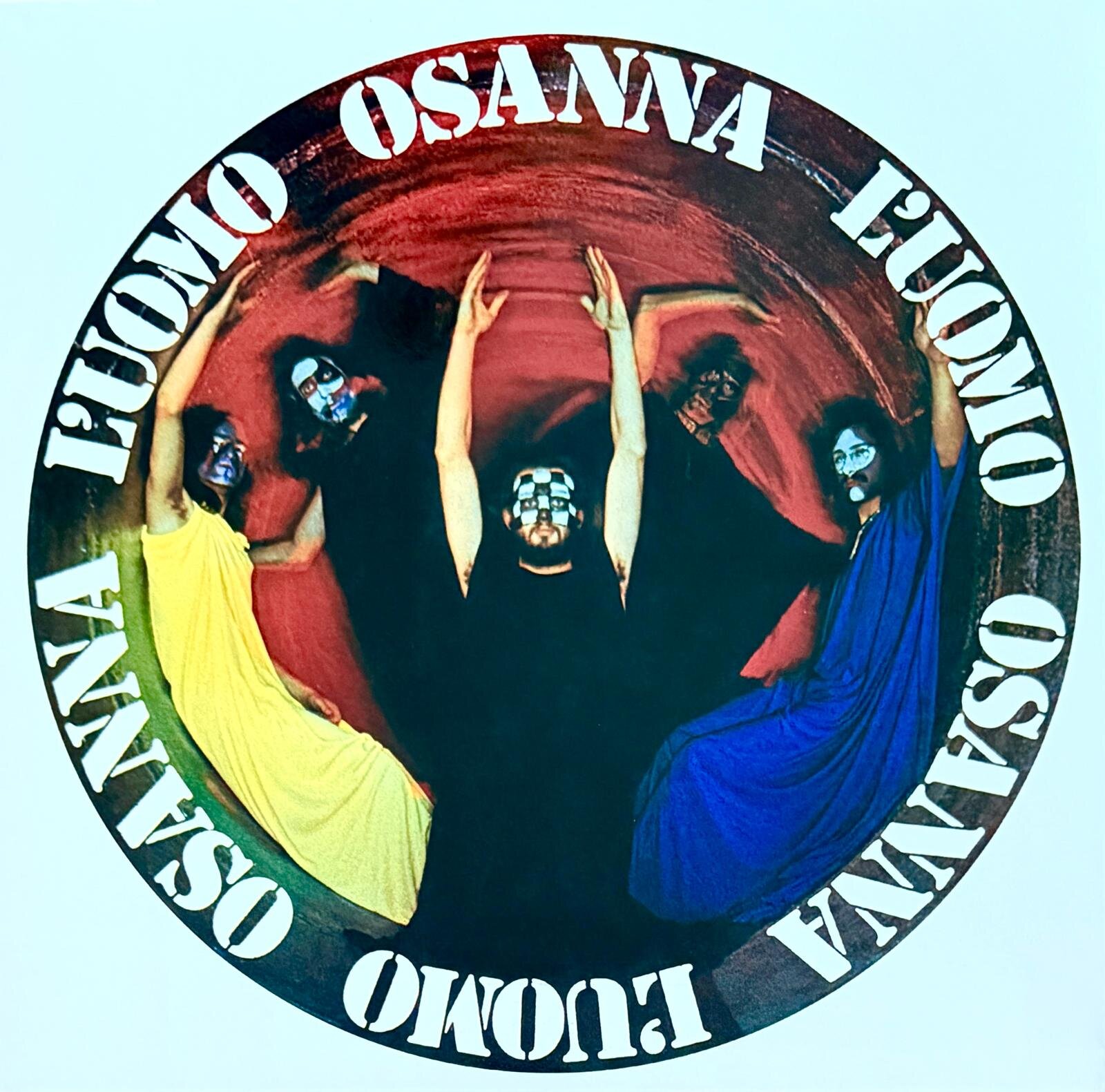
They were also one of the first bands to use costumes and masks during concerts to the point that it seems that Genesis changed their approach to live performances after meeting Osanna during their 1971 Italian tour.
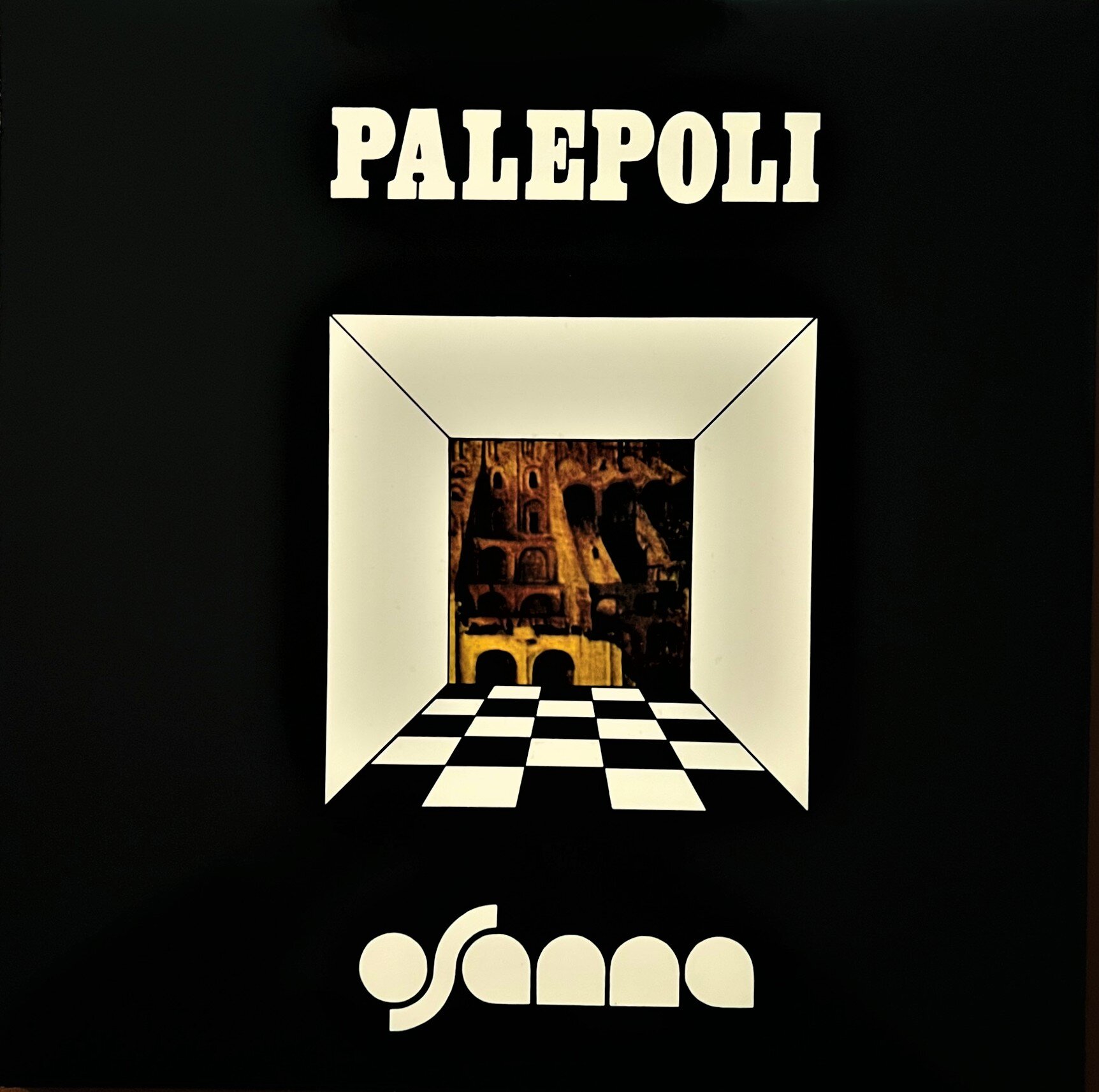
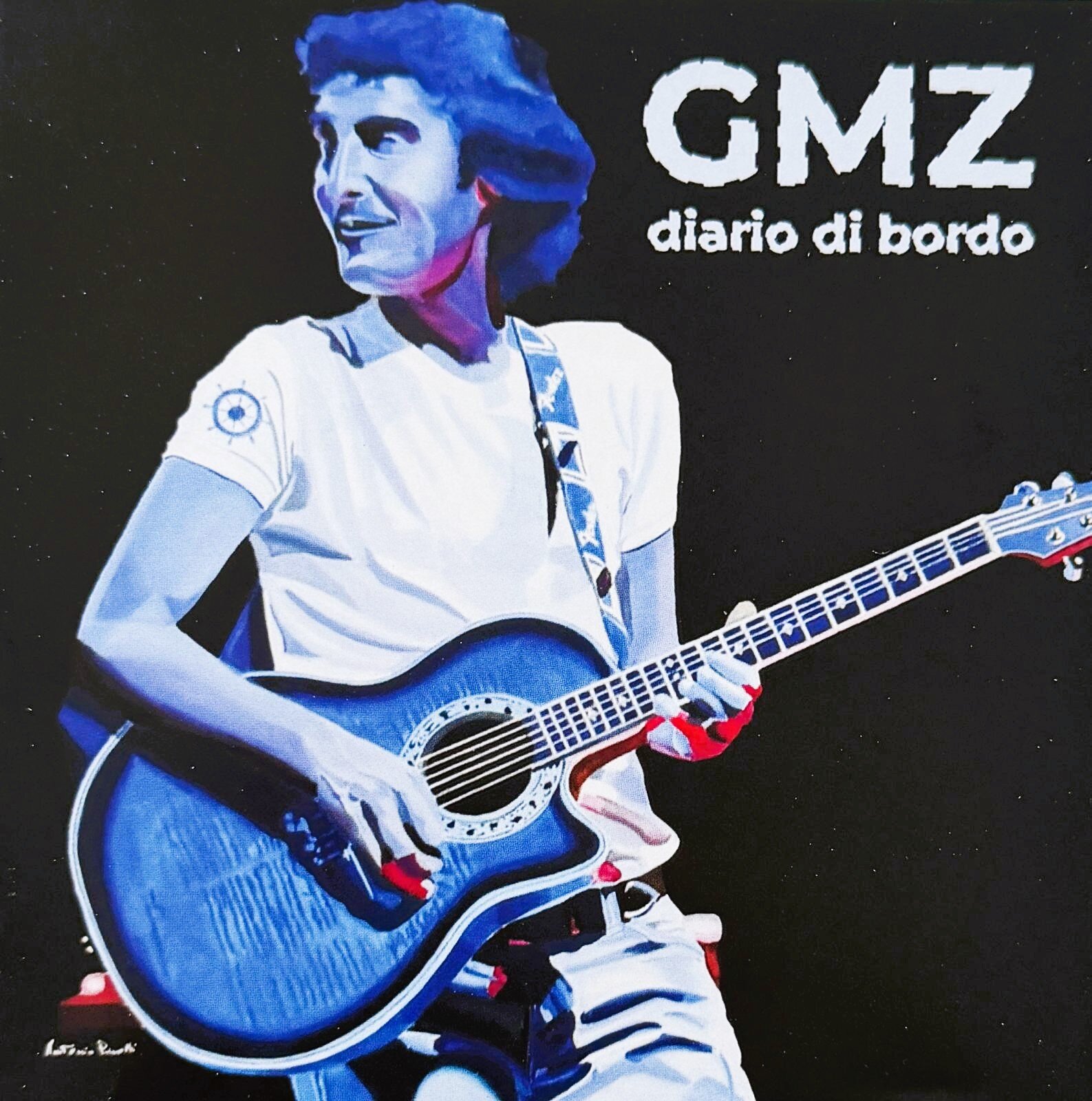
I have already talked about them on the occasion of the review of their splendid album Palepoli released in 1973 and I recently mentioned them for their great performance in the live version of Energia nuova da brucia (Live Version - feat. Osanna), a song contained in the beautiful work "Diario di Bordo" by Gianmaria Zanier, from 2025.
L'Uomo, their first album, is considered one of the most innovative and influential works of Italian progressive rock. Osanna immediately proposed a distinctive mix of raw, visceral hard rock deeply linked to the Mediterranean tradition, embellished with folk and jazz elements.
The album is inspired by existentialism, social philosophy and political criticism, focusing on the human condition. Unlike contemporary progressive rock bands, which were inspired by myths and fantasy, Osanna explores human reality. The singer Lino Vairetti, at the time a student at the Academy of Fine Arts, was preparing a thesis on the sculptor Alberto Giacometti, linked to the philosopher Jean-Paul Sartre. This affects the lyrics, which investigate the human condition, its weaknesses, the search for meaning and the weight of choices.
The album criticizes the arrogance of modern man, who believes himself to be the master of nature, forgetting that he is only a guest. This arrogance leads him to suffer social disasters and psychological breakdowns caused by progress. The lyrics have a strong political, ecological and redemption imprint. Despite the criticism, the album closes with a message of hope.
While Italian pop and rock sang in Italian, Osanna alternated songs in Italian and English, gaining international visibility and opening concerts for bands such as Genesis and Van der Graaf Generator. Elio D'Anna's transverse flute and saxophone, played in an obsessive and distorted way (inspired by Ian Anderson of Jethro Tull), served as the second lead guitar. Danilo Rustici, guitarist, experimented with custom electronic oscillators for distortions and walls of sound that were innovative for the time.
The innovation also extended to concerts, where Osanna introduced Mediterranean theatricality in their clothes and body painting, anticipating bands such as Kiss and influencing Peter Gabriel's Genesis.
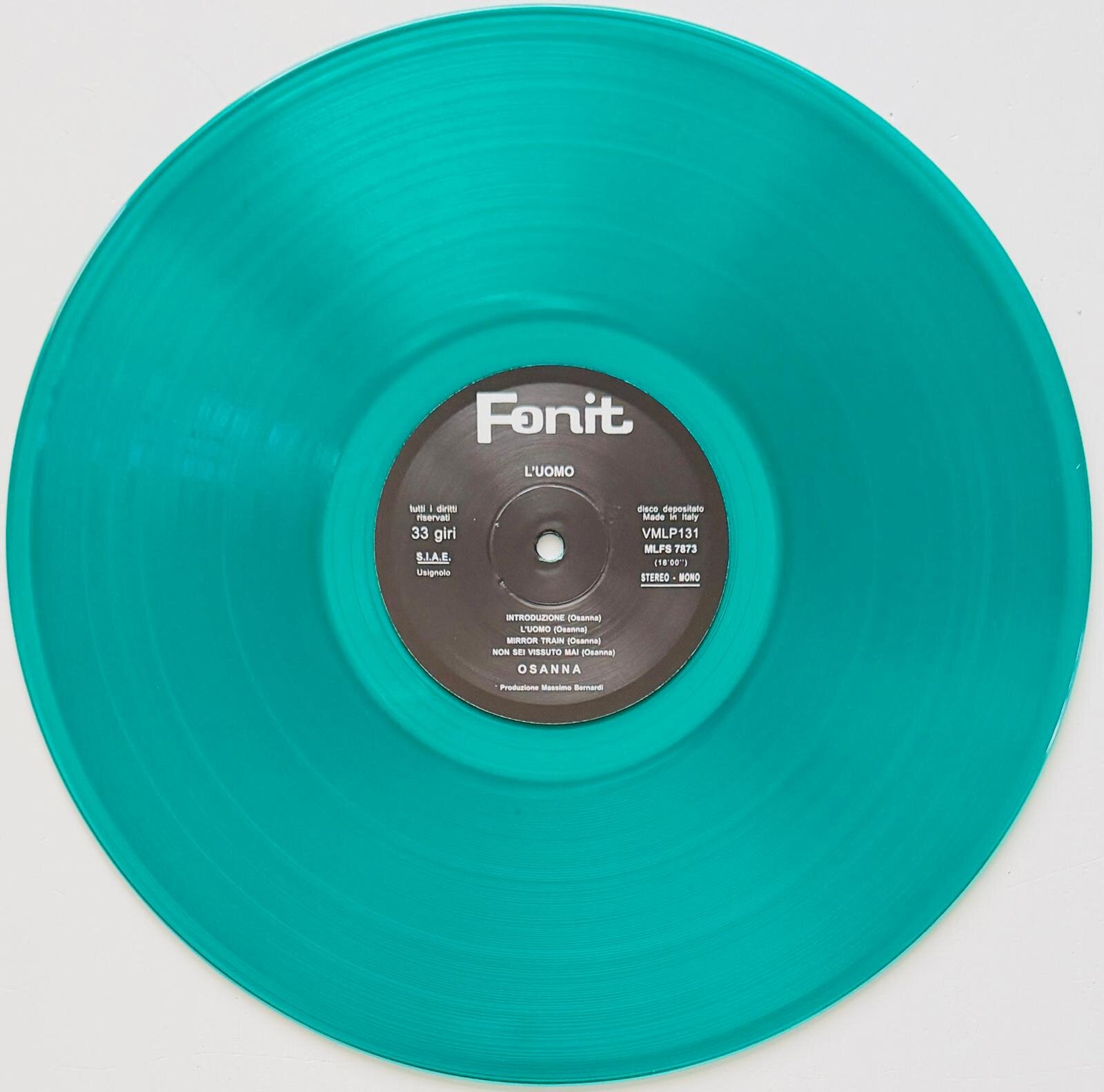
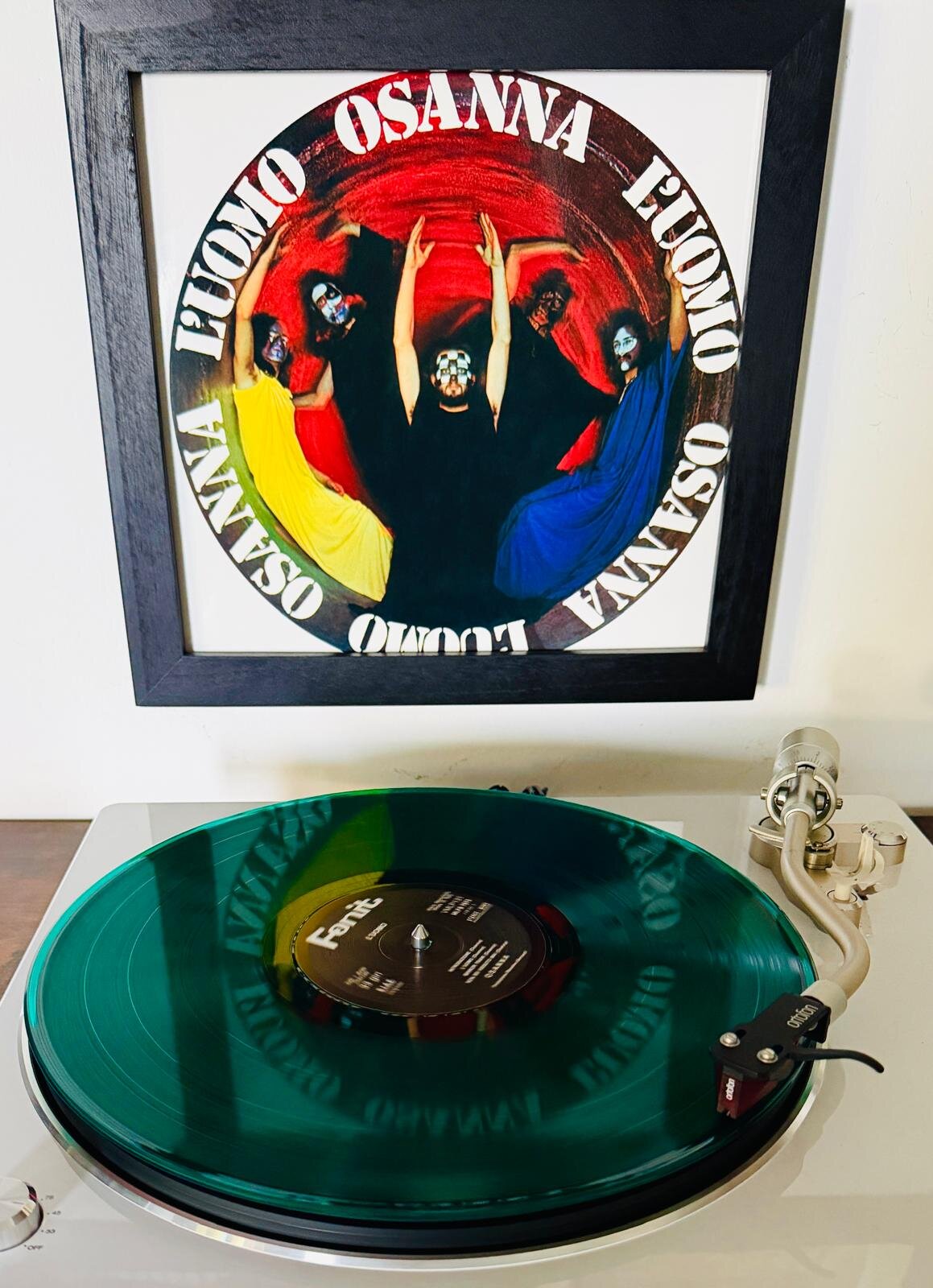
This transparent green vinyl reissue (Vinyl Magic – VMLP 131) is of the highest quality, with exceptional sonic dynamics that enhance the instrument separation and raw power of the original 1971 recording.
"Introduction" is an Avant-prog, Heavy Psych, Jazz-rock experimental piece that begins with an acid and distorted wall of sound, interrupted by Elio D'Anna's flute that immediately exploits the overblowing technique. The rhythm section imposes a tight and neurotic tempo. The song includes the entrance of the electric guitar that hints at the melody of Bandiera Rossa, submerged by drones and psychedelic effects. Elio D'Anna is the protagonist of the track, attacking the transverse flute with percussive breaths. Behind him, the rhythm section of Lello Brandi (bass) and Massimo Guarino (drums) weaves a neurotic and irregular carpet, while Danilo Rustici adds distorted drones in the background.
"L'Uomo" is a piece of Mediterranean Progressive Rock and acoustic Folk, which gives the title to the album and is its emotional fulcrum in the first part. It opens with a harmonious combination of acoustic guitar and flute, which abruptly turns into an energetic hard-prog, supported by the powerful and theatrical voice of Lino Vairetti. The contrast between the pastoral delicacy of the verses and the rock intensity of the chorus is truly remarkable. Vairetti offers here one of his most memorable vocal interpretations, going from a soft song to powerful rock screams. Danilo Rustici masterfully plays the acoustic guitar in the verses, and then gives vent to an imposing hard-rock riff in the chorus.
"Mirror Train" is a Hard Rock, Proto-Metal and Blues-rock song, sung entirely in English. It is the song that comes closest to the British hard rock scene of the period (Led Zeppelin, Deep Purple). Danilo Rustici's guitar creates heavy riffs, while Massimo Guarino's drums accelerate. The central piece is characterized by a duet between the electric guitar solo and the syncopated phrasing of the saxophone. This song highlights the exceptional understanding between Danilo Rustici's lead guitar and Elio D'Anna's saxophone, which face each other in a series of crossed solos at very high speed. Drummer Massimo Guarino supports the song with a tight and powerful rhythm, in full Led Zeppelin style.
"Non Sei Vissuto Mai" is a piece of Space Rock, Progressive and Experimental Rock, the longest of the first side. It begins with a dreamy and suffocating atmosphere, and then turns into a dark suite full of tempo variations and avant-garde improvisations, characterized by Rustici's innovative use of the audio oscillator, which produces extraterrestrial sounds and electronic screeches never heard in Italy at the time. Danilo Rustici is the real protagonist thanks to the revolutionary use of his custom electronic oscillator, which creates alien sounds. Bassist Lello Brandi weaves hypnotic and dark lines that support the frequent tempo changes directed by Massimo Guarino's cymbals.
"Vado Verso Una Meta" is a song in the style of Crossover Prog, Hard-Folk. It is a short, dynamic and fast-paced track, combining an almost pop-folk trend with the technical complexity that distinguishes the band. The fast and impeccable unison textures performed by guitar and flute highlight the impressive technical coordination of Elio D'Anna (flute) and Danilo Rustici (guitar), who perform very fast passages and intricate riffs. Lino Vairetti's voice pushes the rhythm with great expressive urgency.
"In Un Vecchio Cieco" is a piece of Symphonic Progressive Rock, a ballad of great dramatic and lyrical intensity. It narrates the loneliness of the last men on earth, accompanied by a melancholic melody of flute and classical guitar, embellished with majestic choral arrangements. Lino Vairetti's theatrical and touching vocal performance is magnificent and offers a dramatic interpretation, supported by the group's epic choirs. Elio D'Anna weaves melancholic and refined flute lines, while Lello Brandi ensures a deep and vibrant rhythmic base with his bass.
"L'Amore Vincerà Di Nuovo" is a Symphonic Prog, Jazz-Rock piece, the longest and most articulated of the album. It embodies the culmination of their progressive side: a suite full of atmospheric variations, with extensive instrumental sections led by the sax and lyrics focused on social redemption. In the central part, purely jazz-rock, the band shows an extraordinary technical and improvisational cohesion. The most intricate piece of the album highlights the maturity of all the members. Elio D'Anna switches to saxophone to lead a long purely jazz-rock central jam, supported by the creative and nuanced drumming of Massimo Guarino and the harmonic details of Rustici.
"Everybody's going to See You Die" is a Heavy Psych, aggressive Blues-Rock piece, a short and violent rock explosion in English. A visceral song driven by an obsessive bass line and an acidic, almost desperate singing, with a lashing and distorted guitar riff in pure proto-punk style. Lello Brandi begins the song with a distorted and obsessive bass line that becomes its backbone. Lino Vairetti sings in English with an acid and angry tone, while Danilo Rustici strikes with sharp chords saturated with fuzz.
"Lady Power" is a Hard Rock, Jam-Rock song that concludes the album with an explosion of energy, characterized by an engaging blues-rock groove, embellished with jazzy nuances of the winds and an intense vocal performance. The final instrumental coda is magnificent, fading into a chaotic vortex of sounds, which closes the album with the same electric force with which it began. Massimo Guarino and Lello Brandi build an unstoppable rhythmic groove on which the final improvisations of Elio D'Anna (sax) and Danilo Rustici (guitar) are inserted. The chaotic finale highlights the synergy and collective energy that the band also transmitted during concerts.
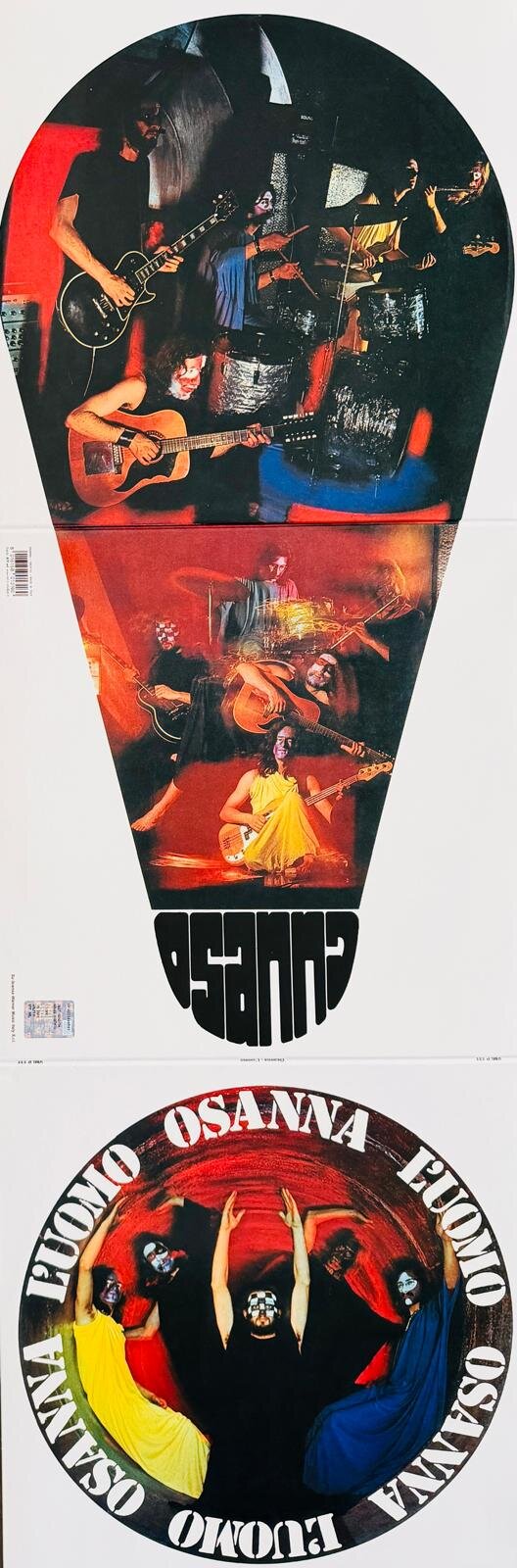
The legendary and intricate cover features an exclamation point structure. The original vinyl, produced by Fonit Cetra, had a triple gatefold cover. Closed, it showed the famous frontal photo of the members of the group arranged in a circle with their faces painted. When opened, it revealed a huge exclamation mark in the three flaps of shaped cardboard. Inside, a real poster contained the lyrics of the songs, artistic photos of the band and the liner notes signed by Renzo Arbore and Fabrizio Zampa, which presented the group's debut as a revolutionary novelty for Italian music. The original cover also included a small metal clip, a hook that allowed the cover to be hung open to the wall like a painting. Due to the fragility of this shaped cardboard, the original 1971 copies, complete with the metal hook, are now among the rarest, most expensive and sought-after memorabilia by collectors around the world.
"L'Uomo" is not a simple collection of songs, but a concept album focused on the human condition, explored in its sufferings, its goals, its psychological breakdowns and its social redemption. A record that transformed Italian rock with an innovative sound. Unlike British progressive bands, Osanna combined the complexity of progressive with the aggressiveness of hard rock and Anglo-Saxon blues-rock (inspired by Led Zeppelin and Uriah Heep), mixing them with jazz and Neapolitan folk tradition. This fusion created a warm, scratchy and unique sound. A great album.
My Version
Label: Vinyl Magic – VMLP 131, Vinyl Magic – VMLP131, Fonit – VMLP 131, Fonit – VMLP131
Format: Vinyl, LP, Album, Limited Edition, Reissue, 180 Gram, Clear Green, Trifold
Country: Italy
Release: 2022
Tracklist
A1 Introduzione
A2 L'Uomo
A3 Mirror Train
A4 Non Sei Vissuto Mai
B1 Vado Verso Una Meta
B2 In Un Vecchio Cieco
B3 L'Amore Vincerà Di Nuovo
B4 Everybody's Gonna See You Die
B5 Lady Power
LineUp
- Lino Vairetti - vocals, 12-string guitar, harmonica, Hammond organ, synthesizer
- Danilo Rustici - lead and 12-string guitars, pipe organ, audio oscillator
- Elio D'anna - flute, piccolo, tenor and baritone saxophones
- Lello Brandi - bass
- Massimo Guarino - drums and percussion
Listening link on the main streaming platforms at the following links:
Spotify: Find the full album with the original tracklist remastered on the album L'uomo di Osanna on Spotify.
Apple Music: You can listen to the 9 tracks in high audio quality on Hosanna Man on Apple Music.

Note: All links to the musicians’ works are in the TAGS under the article title or on the "Artists"