

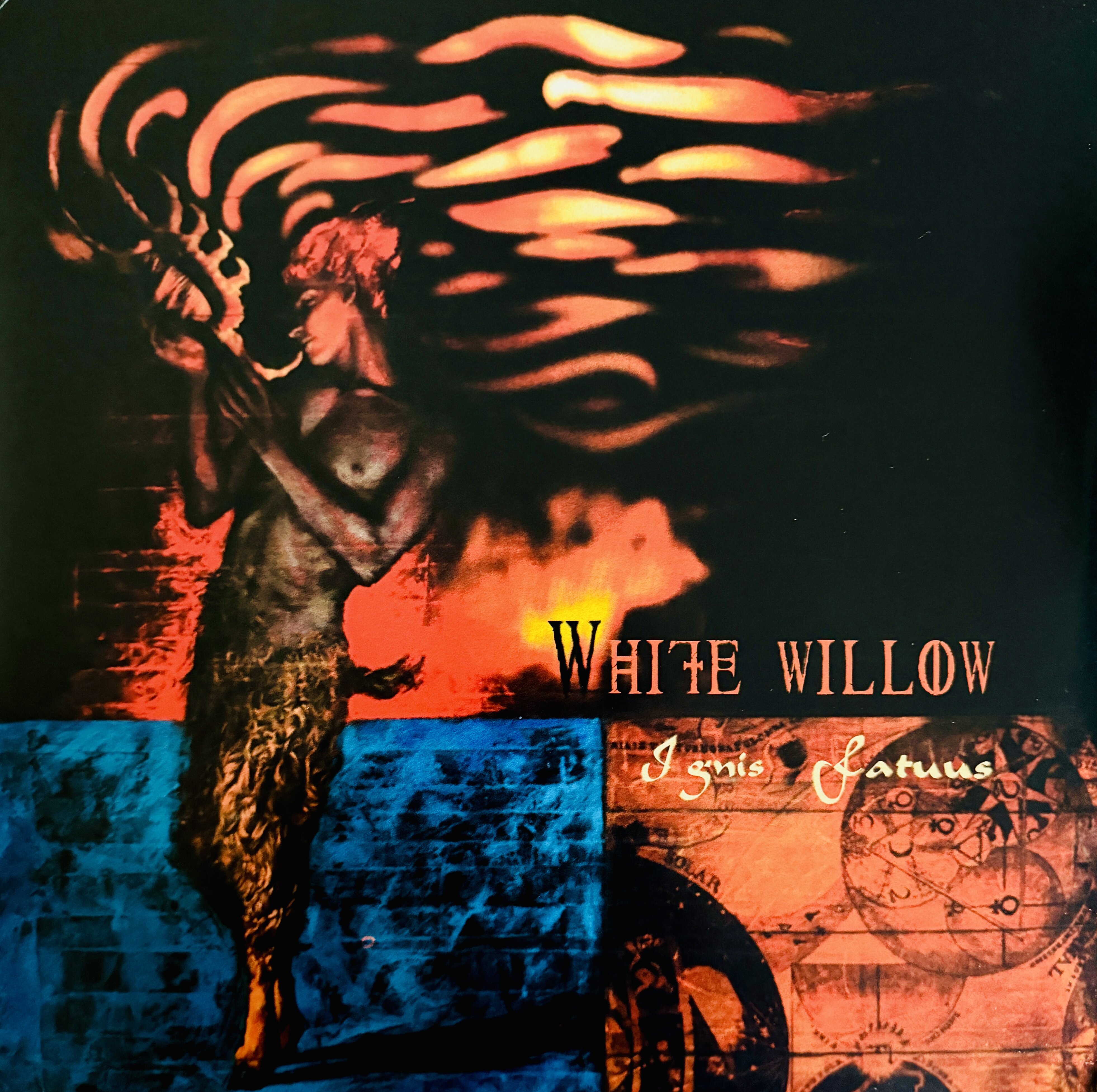
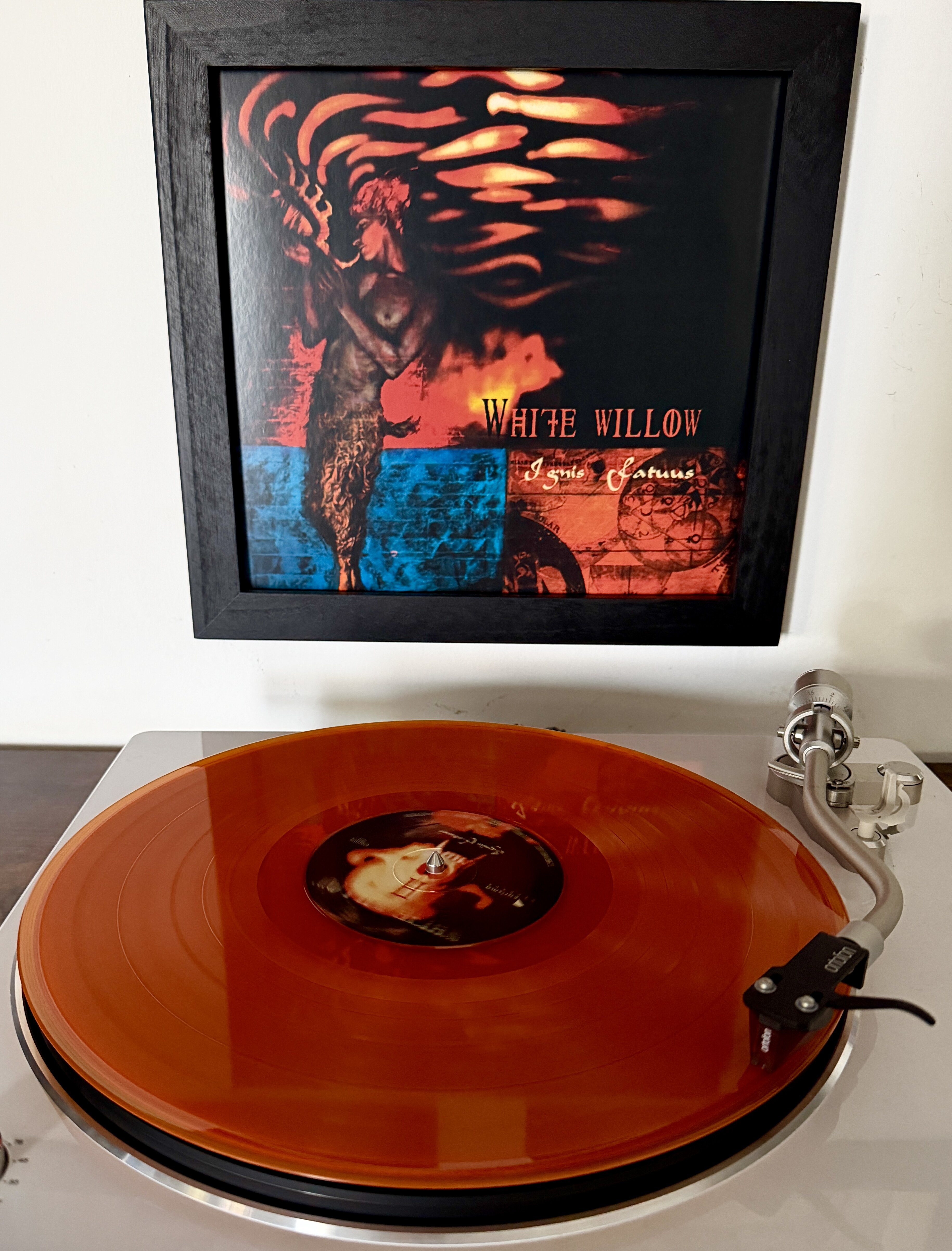
Ignis Fatuus debut album by White Willow, from 1995.
“Ignis Fatuus” by White Willow, a Norwegian progressive rock band, is a true masterpiece, a gem of the “Third Wave” of ’90s prog rock.
Together with Scandinavian groups like Änglagård, Anekdoten and Landberk, it gave the genre a worldwide boost. On the occasion of their debut, let’s find out a bit more about their story.
From the very beginning, White Willow have been led by guitarist, composer and producer Jacob Holm-Lupo. The band has evolved over time, moving from a symphonic, pastoral folk-prog to a sophisticated art-rock, rich in electronics.
The story of White Willow begins in Oslo in 1992, when Jacob Holm-Lupo meets keyboardist Jan Tariq Rahman. United by a passion for acoustic instruments, vintage sonorities and melancholic moods, the two start composing music, involving a group of classical and rock musicians.
With the release of their first album, “Ignis Fatuus” (1995), the band achieves immediate and unexpected success in the prog world.
After the debut, the original lineup almost completely breaks up. Holm-Lupo takes the reins of the project and, with new singer Sylvia Erichsen (who would become the band’s signature voice for many years), releases “Ex Tenebris” (1998). The album partly leaves behind folk influences to embrace darker, minimalist and typically Nordic atmospheres.
The follow-up “Sacrament” (2000) marks a partial return to the classic symphonic progressive rock of the ’70s, enriched by imposing orchestral arrangements and heavy use of the Mellotron. The album receives excellent reviews and cements White Willow’s position as one of the most mature and distinctive acts on the European scene.
In the mid-2000s, the band decides not to repeat itself and radically changes style:
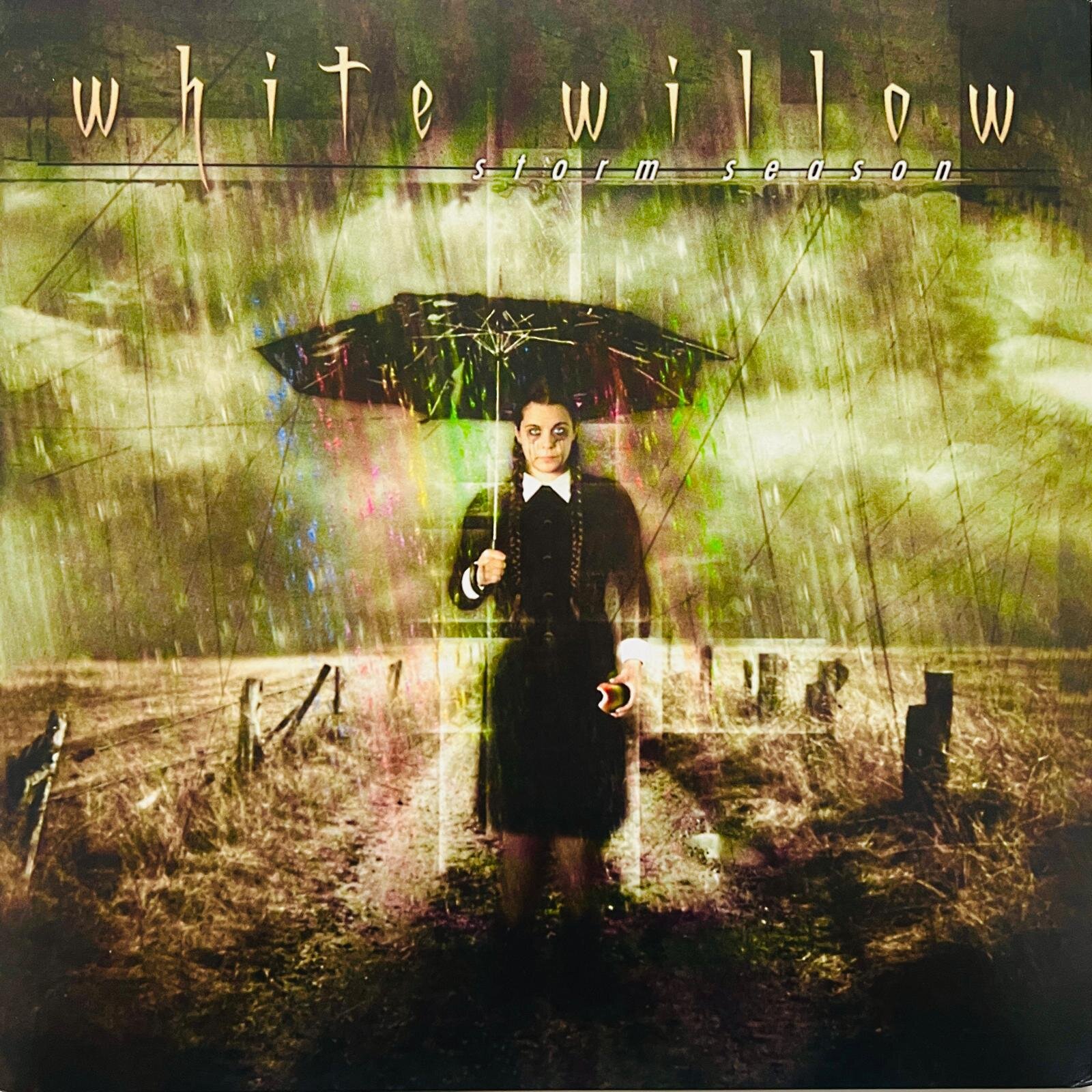
In 2004, the band releases “Storm Season”, their heaviest and most distorted album. The guitars become aggressive, the atmospheres take on a gothic-prog hue, creating a mix of energy and tension.
Two years later, in 2006, comes “Signal to Noise”, an album that marks a decisive turning point. The band chooses to simplify the sound, abandoning prog’s complex structures in favor of an elegant, accessible avant-garde art-pop. Due to health issues, Sylvia Erichsen temporarily gives way to singer Trude Eidtang.
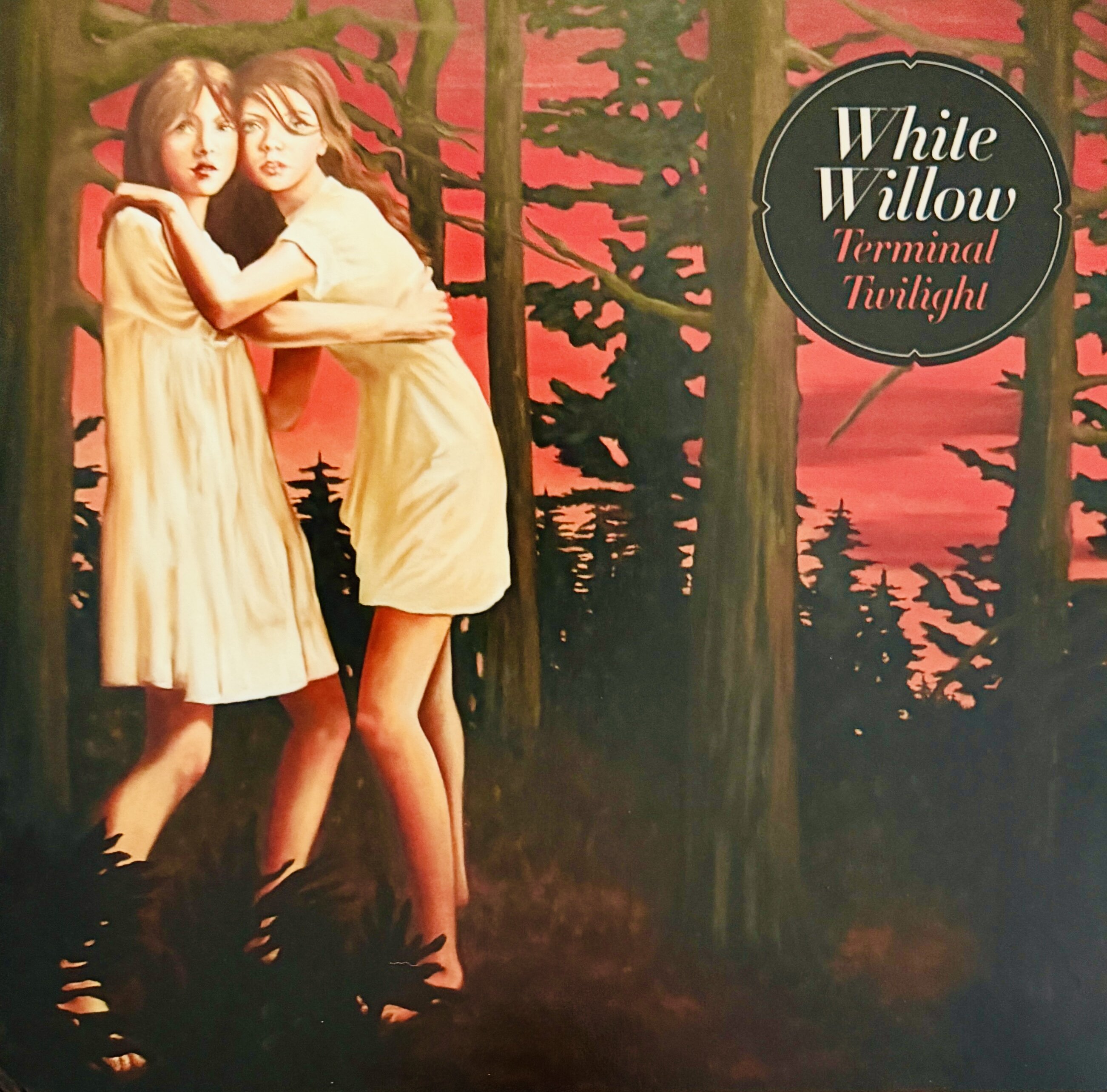
After a break, in 2011 Holm-Lupo restarts the project’s engines with “Terminal Twilight”. The album sees the return of Sylvia Erichsen and masterfully blends electronic pop, psych-folk and symphonic rock. Among the guests stands out the guitar of Tim Bowness, singer of No-Man together with Steven Wilson.
The band’s latest album, “Future Hopes” (2017), is a true sonic journey centered on the use of rare analog synthesizers. “Future Hopes” receives a nomination at the Norwegian Prog Awards, proving the band’s artistic maturity, now free from any genre label.
In recent years, White Willow have taken a break from band activities. Jacob Holm-Lupo has devoted himself passionately to audio engineering, becoming a true mixing and mastering guru. He has worked on reissues of real prog-rock giants, like the legendary Jethro Tull.
White Willow are a musical collective that has involved over 40 musicians rotating in the studio and on stage. Despite this great variety, the band has always had a core of key members who defined its sound and identity.
At the center of everything is Jacob Holm-Lupo, founder and leader since 1992. He is the band’s only permanent member, a guitarist, composer and visionary who has guided every stylistic evolution of the group. Beyond White Willow, Holm-Lupo is an internationally renowned audio engineer, known for working on reissues of legendary artists such as Jethro Tull, Landberk and Caravan. He also runs the label Apollon Records Progress, a true reference point for prog fans.
And then there’s Sylvia Erichsen, White Willow’s iconic voice. Her presence is felt on their most acclaimed albums, such as “Ex Tenebris”, “Sacrament”, “Storm Season” and “Terminal Twilight”. Her voice—warm and melodic, yet with that typically Nordic melancholy that makes it unique—transformed the band’s sound after the folk debut.
Jan Tariq Rahman, together with Holm-Lupo, was one of the minds behind the unique sound of White Willow’s first album, “Ignis Fatuus”. A classically trained multi-instrumentalist, he brought instruments such as Mellotron, analog synthesizers, flutes and crumhorns into the band, creating a truly interesting mix. After the second album, however, he decided to leave the group to focus on production and composing soundtracks for theatre and cinema in Norway.
In the early 2000s, Lars Fredrik Frøislie joined the band, adding a symphonic touch and vintage keyboards to albums like “Storm Season” and “Future Hopes”. Frøislie is one of Europe’s leading experts on vintage keyboards (Mellotron, Moog, Hammond organ, Chamberlin) and, besides White Willow, he is also the mind behind Wobbler, one of the most famous retro-prog bands in the world.
Mattias Olsson, drummer of the historic Swedish prog band Änglagård, joined White Willow in the 2000s, contributing to the albums “Signal to Noise” and “Terminal Twilight”. His eclectic style, mixing rock patterns with avant-garde percussion and cinematic sound effects, gave an extra edge to the band’s sound.
Finally, Ketil Vestrum Einarsen, a talented flautist, enriched White Willow’s sound with pastoral and jazzy touches starting with the album “Sacrament”. His presence kept a strong link with folk and classical music. Besides White Willow, Einarsen has played with major bands such as Motorpsycho and Wobbler.
The first album, Ignis Fatuus, is a true masterpiece, featuring the ethereal, distinctly folk voice of Eldrid Johansen, their first official singer. Alongside her, Audun Kjus, flautist and singer, co-wrote several tracks, while Alexander Engebretsen, the original bassist, created the intricate bass lines that define the record.
The title Ignis Fatuus (will-o’-the-wisps) is closely tied to the band’s very name, White Willow. Willows are trees typically found in wet areas, along rivers and in marshy ground—the same swampy environments where, according to tradition, will-o’-the-wisps (Ignis Fatuus) are said to arise. With this choice, the group wanted to bind its debut album inseparably to the mysterious, romantic ecosystem that inspired it.
The album’s atmosphere is foggy and melancholic. The music fuses complex elements into a single expression, creating a unique, captivating sound. Alongside guitars and keyboards, we find flutes, violins, cellos and historical instruments such as crumhorn, kantele and sitar. And to complete it all, vintage keyboards like Mellotron, Moog and analog synthesizers—typical of ’70s progressive rock—add nostalgia and depth.
The ethereal vocal lines of Eldrid Johansen (and Sara Trondal) add a poetic, evocative touch, carrying the listener into an enchanted world. And for those who love more extreme sounds, the avant-garde track “Cryptomenysis” features Carl Michael Eide, historic drummer and singer from Norway’s avant-garde and black metal scene (Ved Buens Ende), who contributes unique and surprising contaminations.
When Ignis Fatuus came out, the band did not expect at all the success it would have. The album quickly became a phenomenon in the underground world, with enthusiastic reviews arriving from all over Europe and the United States—so many that they flooded the band’s fax machine. The first 5,000 copies sold in no time, and without the members even realizing it, the album won over fans overseas.
This unexpected success led the band to fly to California to play at Los Angeles’ Progfest 1995, sharing the stage with other emerging groups such as Spock’s Beard. That epic performance in front of thousands of people was only the second live show of their career, yet it definitively established them as one of the genre’s most important bands.
White Willow’s Ignis Fatuus is a unique, hypnotic album, a fascinating blend of classic progressive rock, folk and chamber music. At a time when prog metal and neoprog dominated the scene, this album offered a more intimate, acoustic alternative.
The album’s style is pastoral, ghostly folk-rock, with Scandinavian and British acoustic folk music as the sonic backdrop. Classical and 12-string acoustic guitars intertwine in melodies that evoke misty landscapes, Nordic woods and ancient legends, creating a melancholic, twilight mood—at times even a bit unsettling—that anticipates wyrd-folk or dark-folk by years.
Unlike many prog bands of the time, which often relied on digital synthesizers, White Willow chose an orchestral, acoustic approach. Winds like the transverse flute and medieval instruments such as the crumhorn blend with live-played strings, creating a warm, tragic chamber sound, almost cinematic. And then there are exotic touches: sitar, Finnish kantele and ethnic percussion add further depth and color.
The Mellotron, played masterfully by Jan Tariq Rahman, is the real protagonist. With its string, choir and flute registers, it weaves soundscapes that don’t aim for unbridled virtuosity, but rather a dark, majestic atmosphere that envelops the listener.
Another key element is the vocal contrast. The ethereal voices of Eldrid Johansen and Sara Trondal—clear and free of operatic vibrato—stand against Carl Michael Eide’s avant-garde incursions in “Cryptomenysis”, where the screaming voice creates an unexpected, intriguing break with the acoustic sweetness that characterizes the rest of the album.
Finally, the songs’ atypical progressive structures, with instrumental suites and tracks marked by shifts in tempo and dynamics, show the influence of bands like early Genesis, King Crimson in their pastoral period, and Änglagård—reinterpreted in a more dreamy, intimate key.
Among the album tracks, the ones I consider top tracks are:
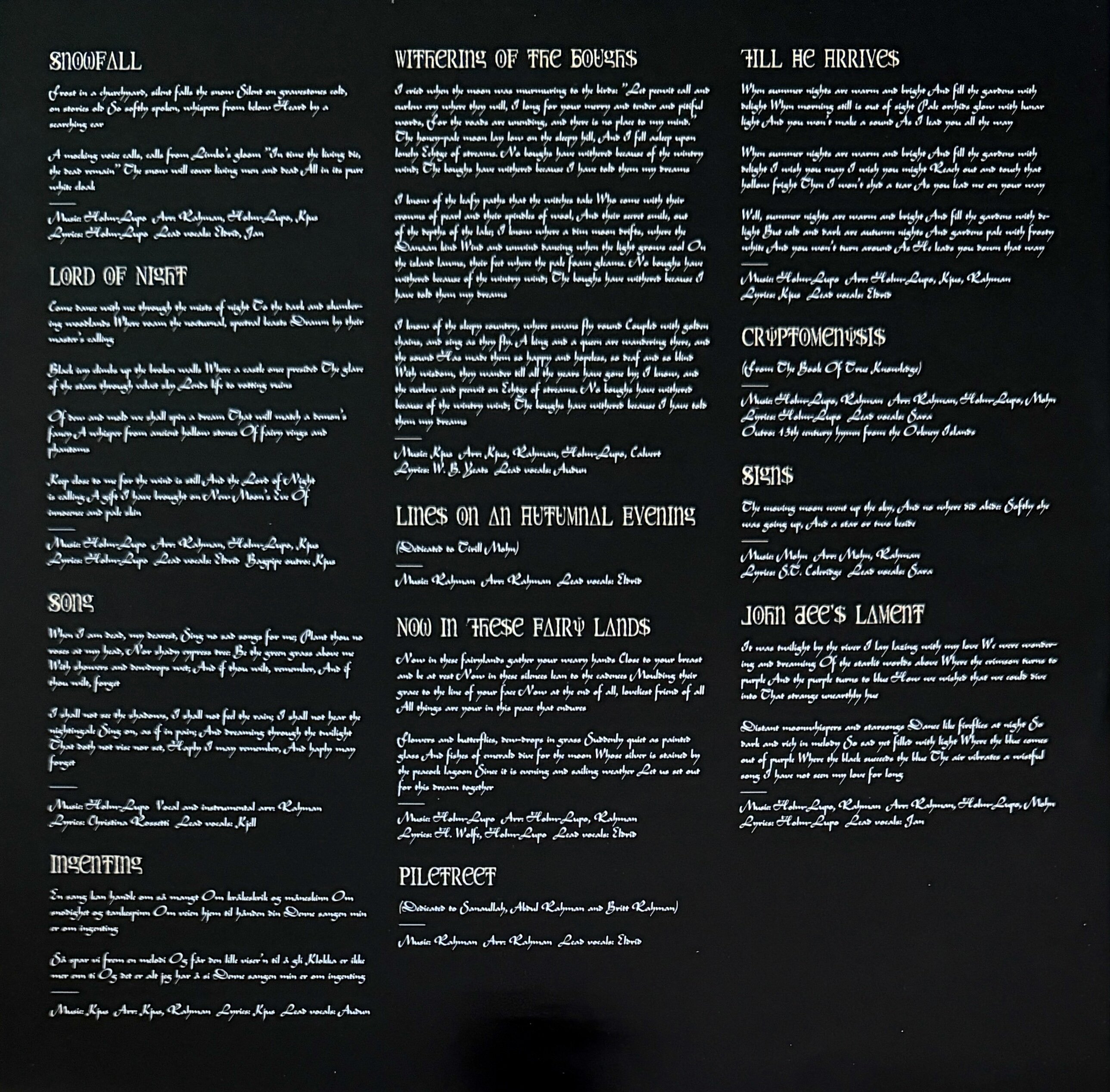
“Snowfall” (11:15) is an epic piece that perfectly captures the spirit of early White Willow. It opens with the sound of wind and acoustic and classical guitars, then grows into a majestic symphonic crescendo led by the transverse flute and broad Mellotron layers, evoking the enchanted atmosphere of Nordic winter.
“John Dee’s Lament” (11:00) is an ambitious, learned composition, dedicated to the famous mathematician, geographer and occultist John Dee, at the court of Queen Elizabeth I. The music reflects his mysterious figure, blending Renaissance themes, complex odd meters and dark, solemn chamber arrangements, creating an evocative atmosphere.
“Lord of Night” (5:51), while keeping a strong acoustic base, is one of the album’s most dynamic, rhythmic and exquisitely rock tracks. Pulsing bass lines and the dramatic use of Eldrid Johansen’s ethereal voice made it a highlight of their rare live shows in the ’90s.
“Song” (2:23) is a delicate acoustic miniature, a pastoral interlude halfway through the album. The lyrics are an adaptation of the famous poem by British Victorian writer Christina Rossetti (“When I am dead, my dearest / Sing no sad songs for me…”). The dreamy, melancholic melody is accompanied only by 12-string acoustic guitar, flute and Johansen’s crystal-clear voice, creating an atmosphere of pure poetry.
Finally, “Cryptomenysis” (11:41) is the longest, darkest and most experimental track on the record. Famous in Scandinavian music history for its bold avant-garde experiment, it merges their folk-prog and neoclassical soul with sudden dissonant, theatrical explosions. It features vocals by Carl Michael Eide (member of Ved Buens Ende and a cult figure in Norwegian black metal), who delivers a rasping scream in stark contrast with the sweetness of the rest of the record, adding intensity and originality.
This record is considered a true cult masterpiece, one of the most influential and original progressive rock albums of the ’90s.
In 1995 prog was dominated by digital keyboards and technical prog-metal. White Willow, instead, chose a different path, more intimate and warm: acoustic instruments like cello, flute and classical guitars, accompanied by vintage analog mellotrons. The original recording, due to the limited budget typical of underground productions, had a few small flaws, but the splendid 2023 remastered reissue fixed them beautifully.
“Ignis Fatuus” is a long album, with three suites that exceed 11 minutes, so it requires careful, distraction-free listening. It’s not ideal for those looking for a quick listen or tight rhythms, but for those who love to immerse themselves in music.
This album proved that progressive rock could still be poetic, dark, learned and deeply relevant even at the end of the ’90s. An unmissable listen. One of the finest prog albums of the '90s!
My Copy
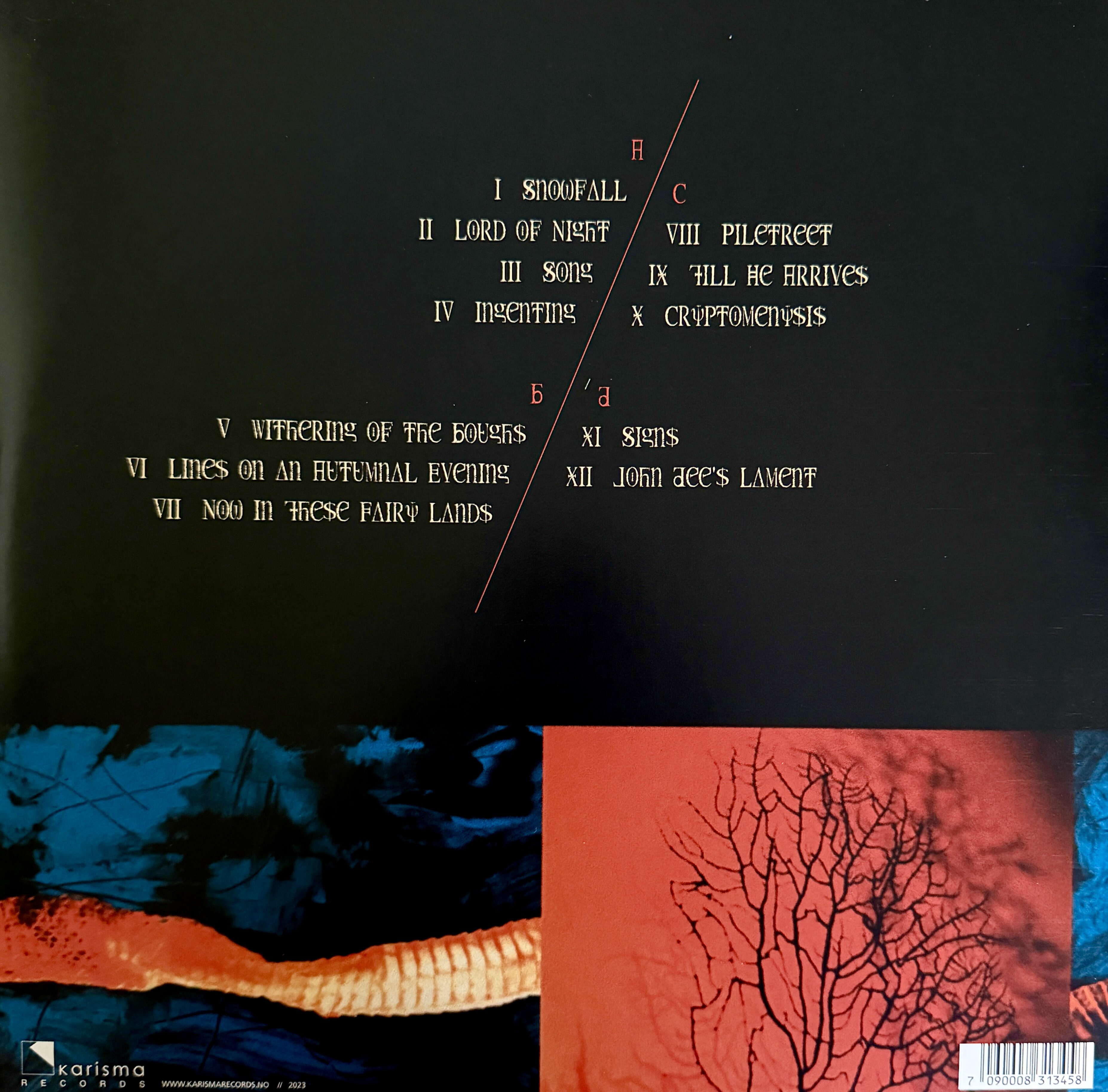
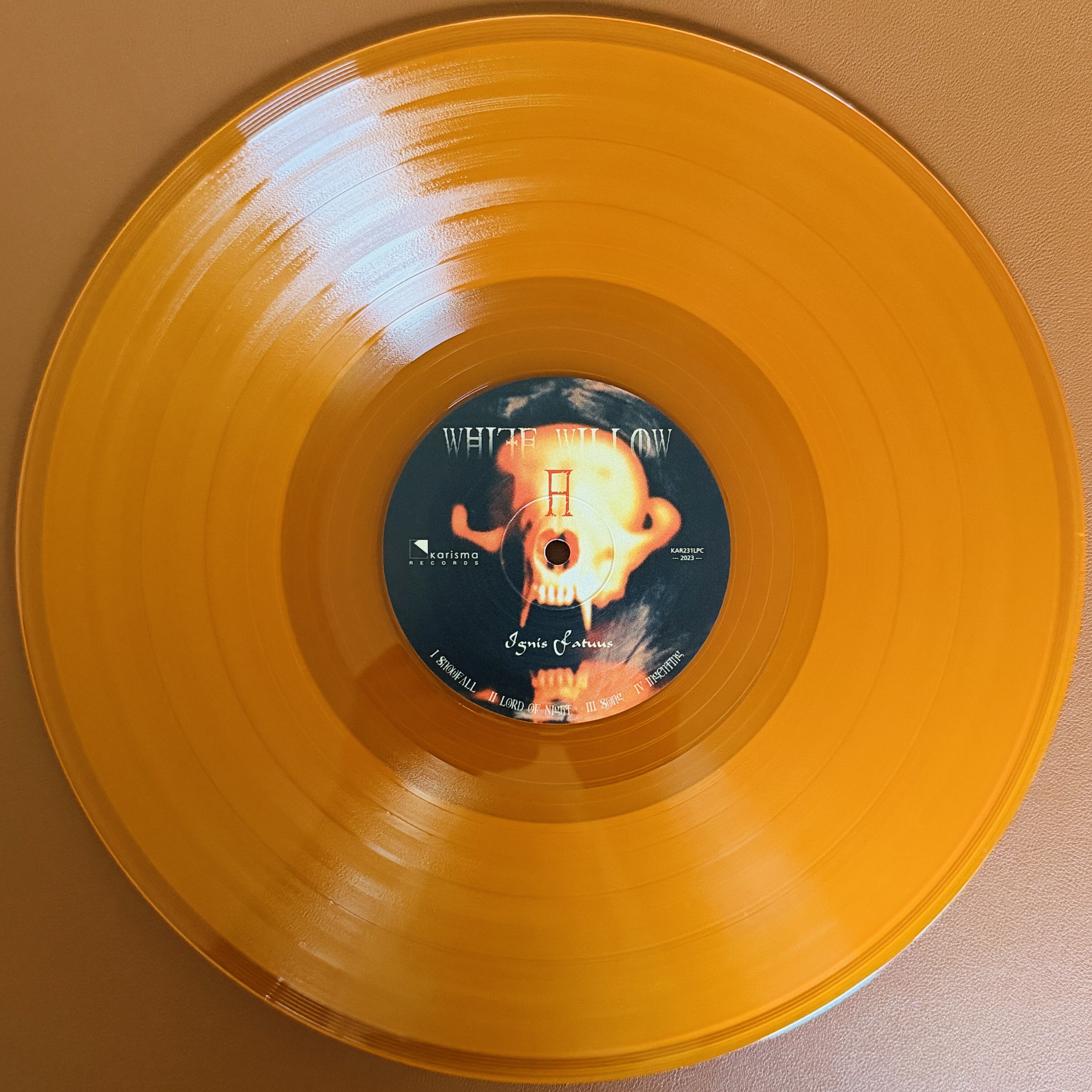
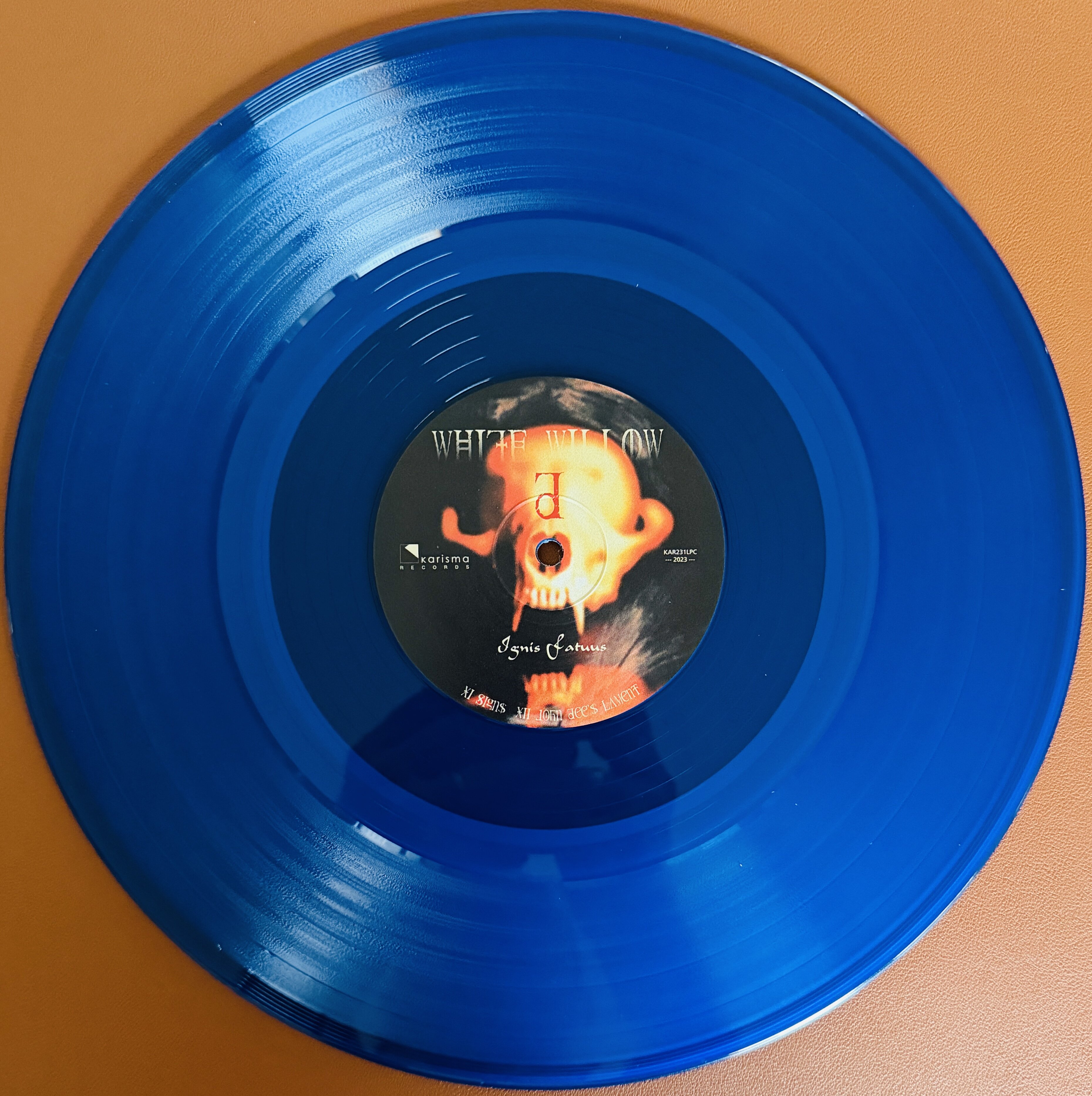
Label: Karisma Records – KAR231LPC
Format: Vinyl, LP, Transparent Orange, Transparent Blue, Reissue, Remastered, Stereo
Country: Norway
Released: 3 Nov 2023
Tracklist
A1 Snowfall
A2 Lod Of Night
A3 Song
A4 Ingenting
B1 The Withering Of The Boughs
B2 Lines On An Autumnal Evening
B3 Now In These Fairy Lands
C1 Piletreet
C2 Till He Arrives
C3 Cryptomenysis
D1 Signs
D2 John Dee's Lament
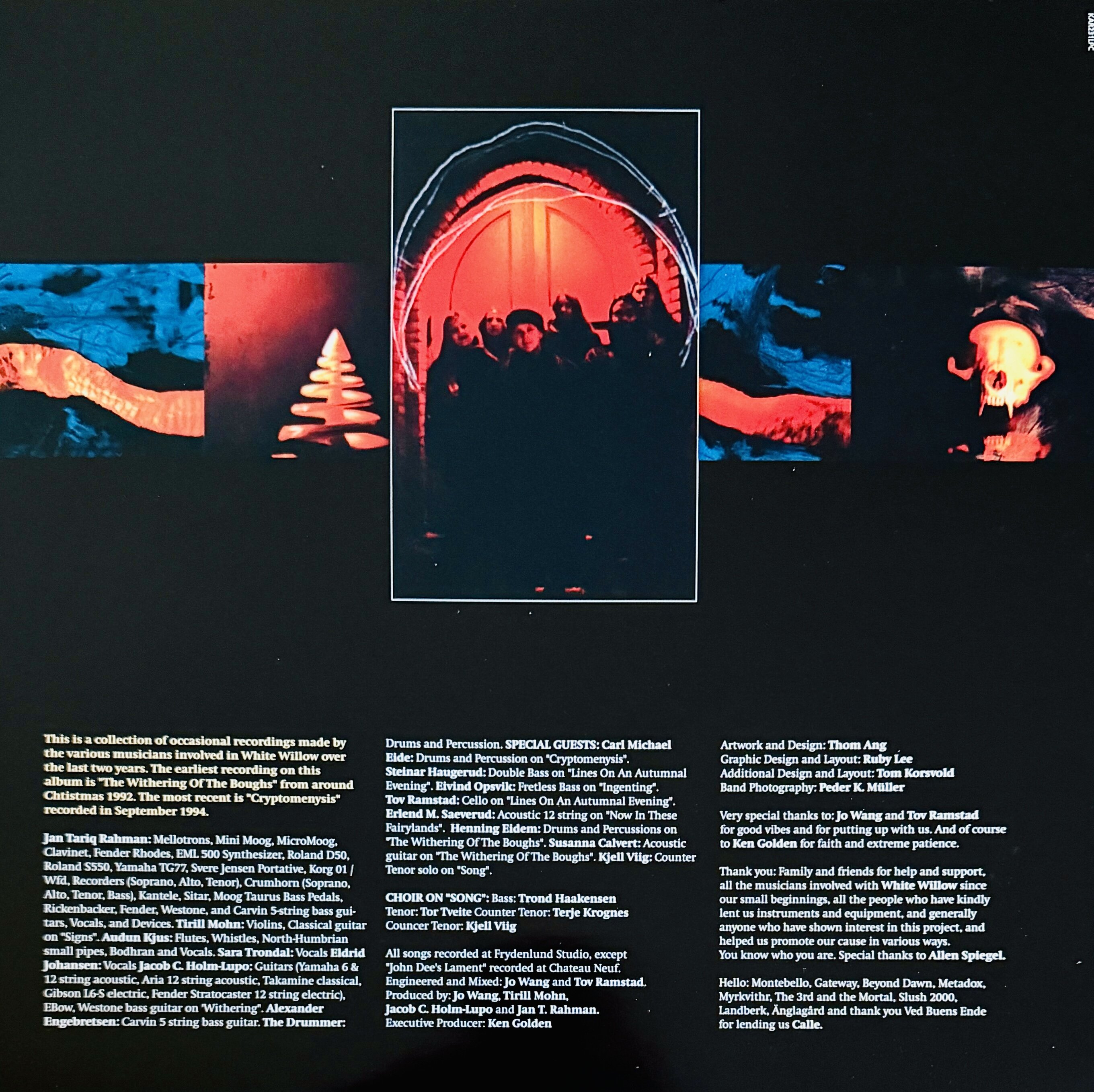
Lineup
Jacob Holm-Lupo – Guitars & Effects
Jan Tariq Rahman – Keyboards, Ancient & Ethnic Instruments & Vocals
Eldrid Johansen – Lead vocals
Sara Trondal – Lead vocals and backing vocals
Audun Kjus – Winds, Percussion & Vocals
Tirill Mohn – Violin & Guitars
Alexander Engebretsen – Bass
Erik Holm – Drums & Percussion
with
Pål Søvik & Henning Eidem – Additional drums and percussion (on some specific tracks).
Carl Michael Eide – Drums and percussion on the track "Cryptomenysis"
Tov Ramstad – Cello
Steinar Haugerud & Eivind Opsvik – Double bass and fretless bass
Susanna Calvert & Erlend M. Sæverud – Additional 6- and 12-string acoustic guitars.
Male Choral Section: Countertenor, tenor and boy soprano voices (Trond Haakensen, Terje Krognes, Tor Tveite, Kjell Viig, Johannes Weisser)
.jpeg "Sacrament by White Willow")