.jpeg "The Road of Bones by IQ")

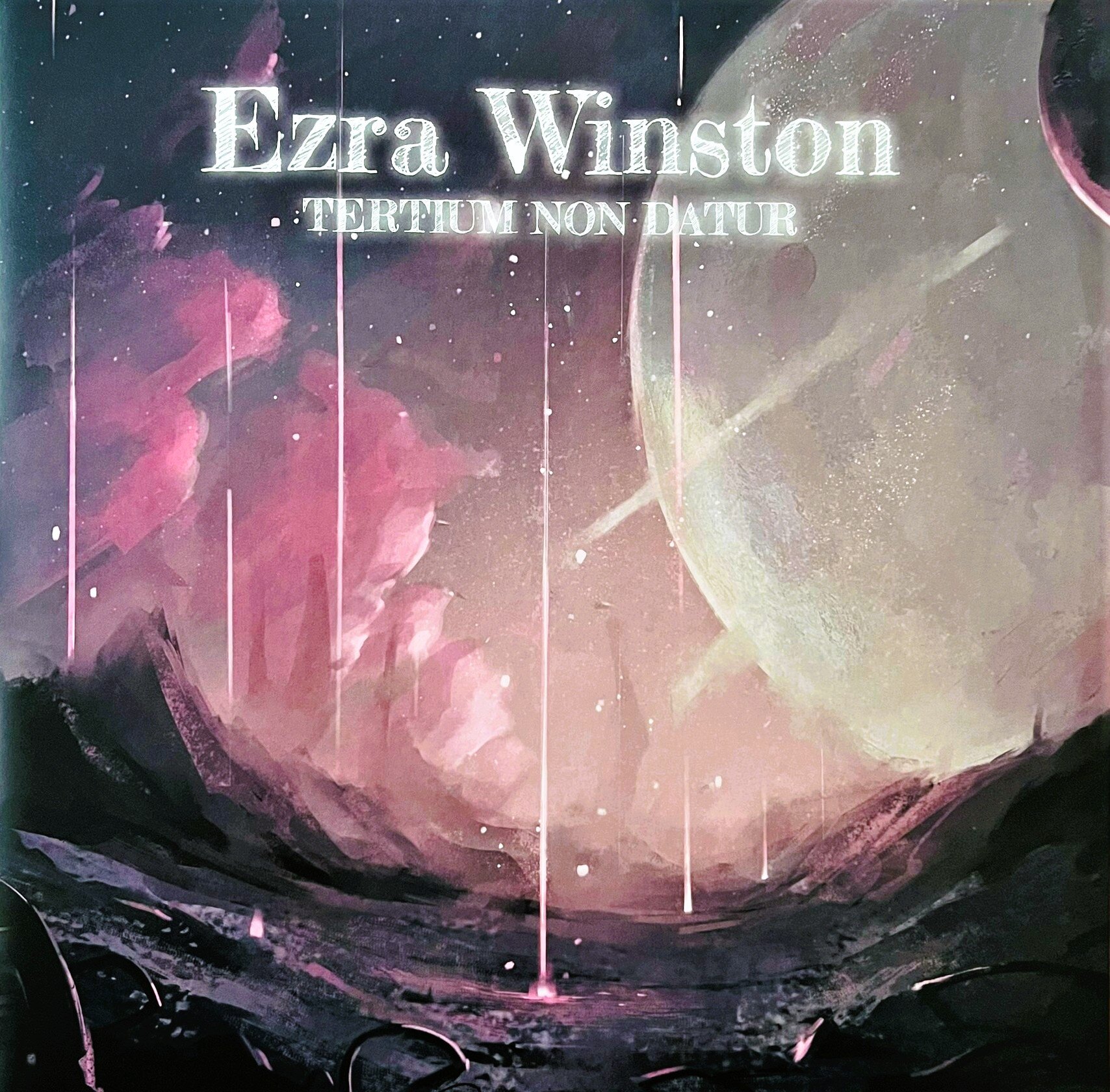
Tertium non Datur, by Ezra Winston, from 2021
Ezra Winston are an Italian group from Rome, part of the progressive rock revival movement in Italy between the late '80s and early '90s.
The band was formed in 1986 by three high school friends: Mauro Di Donato (bass, vocals, keyboards), Fabio Palmieri (guitars), and Mario Bianchi (keyboards). They were later joined by Paolo Lucini (flute) and Daniele Iacono (drums).
Their style is a refined Symphonic Progressive Rock with influences from the sacred monsters of the '70s and with jazz, medieval, and classical influences.
They have released three albums in their history. The band has changed over the years since they formed: Myth of the Chrysavides (1988), a self-produced debut album, a concept album with fairytale and dark tones; Ancient Afternoons (1990), a more complex and ambitious work featuring Aldo Tagliapietra (Le Orme) on the track "Nightstorm"; and Tertium non datur (2021), a collection of studio tracks and live material dating back to 2004.
After breaking up in the early '90s, the members continued with parallel projects and collaborations (such as soundtrack production), occasionally reuniting for recording sessions and live performances.
Tertium non Datur marked their return to recording after 31 years of silence since the previous Ancient Afternoons (1990), an album of about 45 minutes with 5 tracks ranging from symphonic rock to classic neo-prog and including archive tracks and recordings from the 2004-2005 period, later refined in the studio.
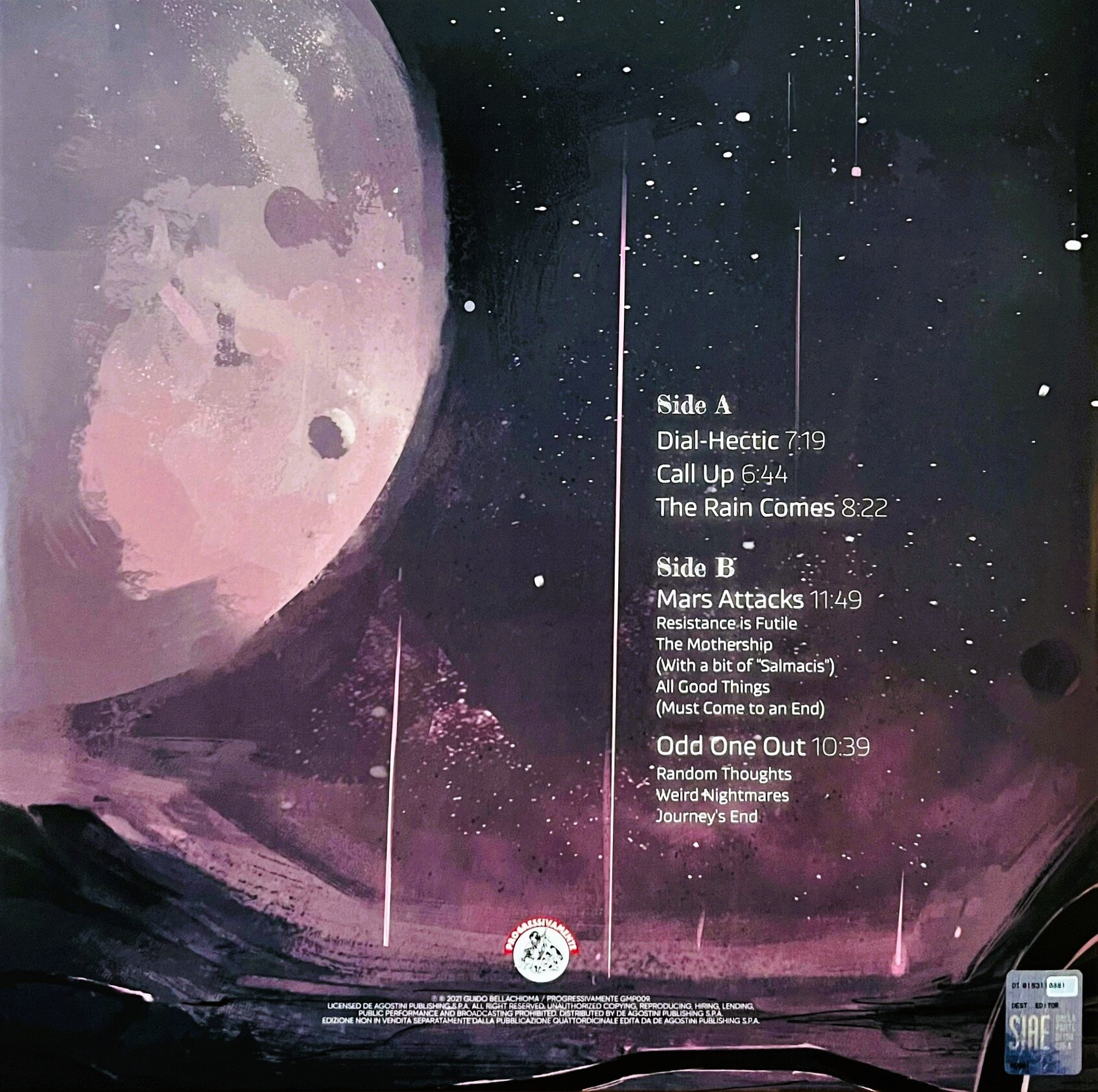
- Dial-Hectic, with its over 7 minutes, opens the album with great synergy between Mauro Di Donato's keyboards and Fabio Palmieri's guitar, a track with frequent frenetic tempo changes (hence the title) but with great melody.
- Call Up, a track of about 7 minutes, is an atmospheric piece with alternating pauses and progressions and vocals that give way to instrumental sections with a great flute part.
- The Rain Comes is a track of over 8 minutes, one of the most beautiful on the album, which starts melancholic and converges on very intense guitar solos.
- Mars Attacks is the longest track on the album, a prog ride with a prominent rhythm section and long instrumental sections where, in addition to symphonic rock, there are also jazz-rock moments.
- Odd One Out, a track of about 10 minutes, closes the album, an epic piece with seventies sounds combined with current sonorities and an imposing finale.
Dreamlike atmospheres, splendid keyboards and flute, a modern leap into the past, beautiful sounds and atmospheres, a prog sound from another era, the singing in English makes it very "European" but it's a character that it doesn't assume just because of the language but as a whole for the musicality inspired by bands like Camel and Genesis. Really very beautiful and excellently played. Highly recommended!!!
Note: All links to the musicians' works are in the TAGS under the article title or on the "Artists" page
Tracklist
1 - Dial-Hectic 7:19
2 - Call Up 6:44
3 - The Rain Comes 8:22
4 - Mars Attacks 11:49
5 - Odd One Out 10:39
LineUp
Acoustic Guitar – Fabio Palmieri (2, 5), Mauro Di Donato (4)
Backing Vocals – Paolo Lucini (2)
Bass – Fabrizio Santoro (2, 5), Paolo Lucini (3), Simone Maiolo (1, 4)
Bassoon – Andrea D'Aprano (5)
Classical Guitar – Mauro Di Donato (2)
Drums – Daniele Iacono (4), Ugo Vantini (1, 2, 3, 5)
Electric Guitar – Fabio Palmieri (1, 2, 5), Mauro Di Donato (3), Stefano Pontani (1, 2, 4, 5)
Flute, Piccolo, Saxophone – Paolo Lucini (2)
Keyboards, Vocals – Paolo Lucini (1)
Synth [Wind] – Paolo Lucini (2, 3, 4, 5)
Tin Whistle – Paolo Lucini (4)
Vocals – Paolo Lucini (5)
Vocals, Keyboards – Mauro Di Donato