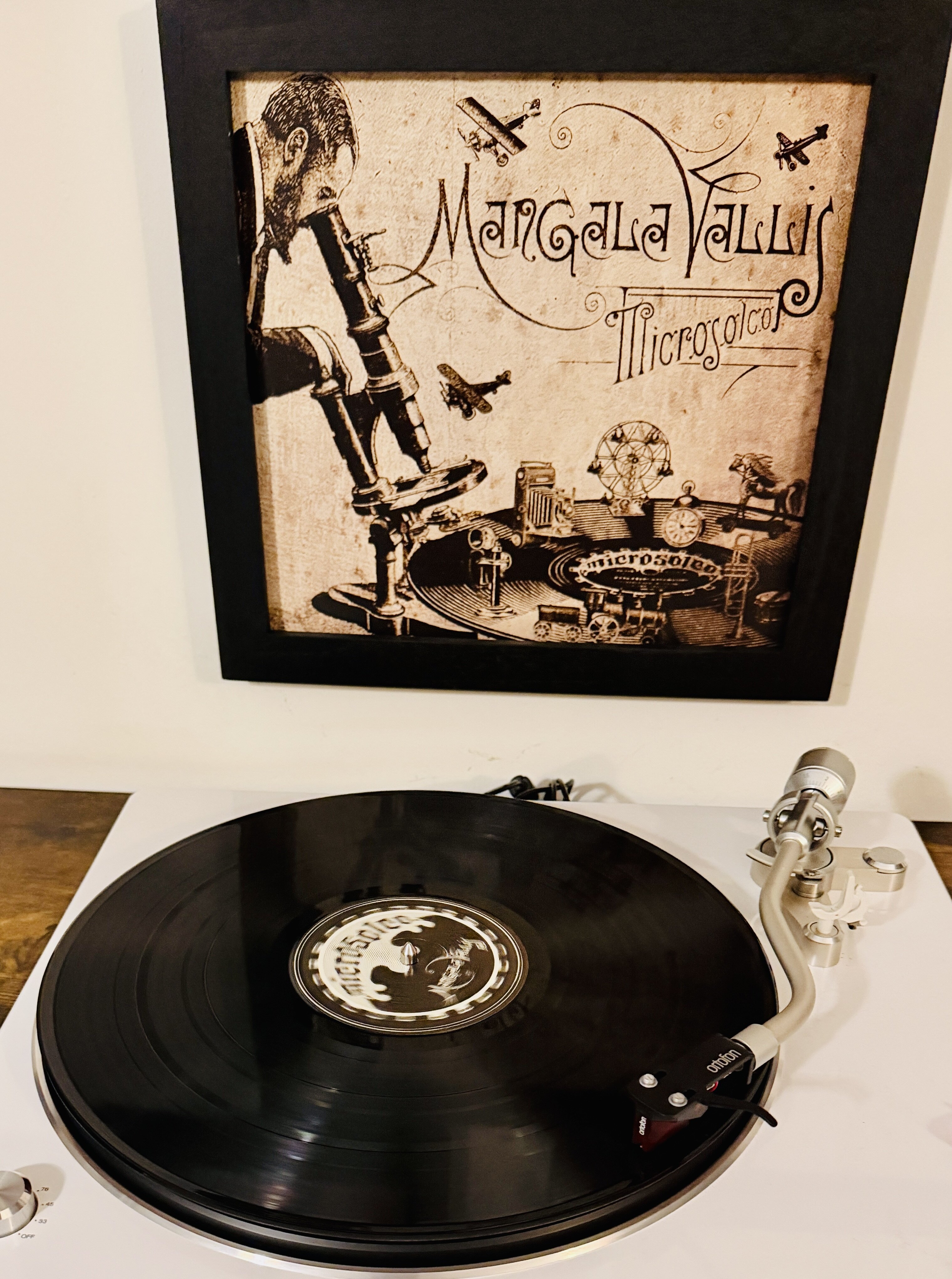
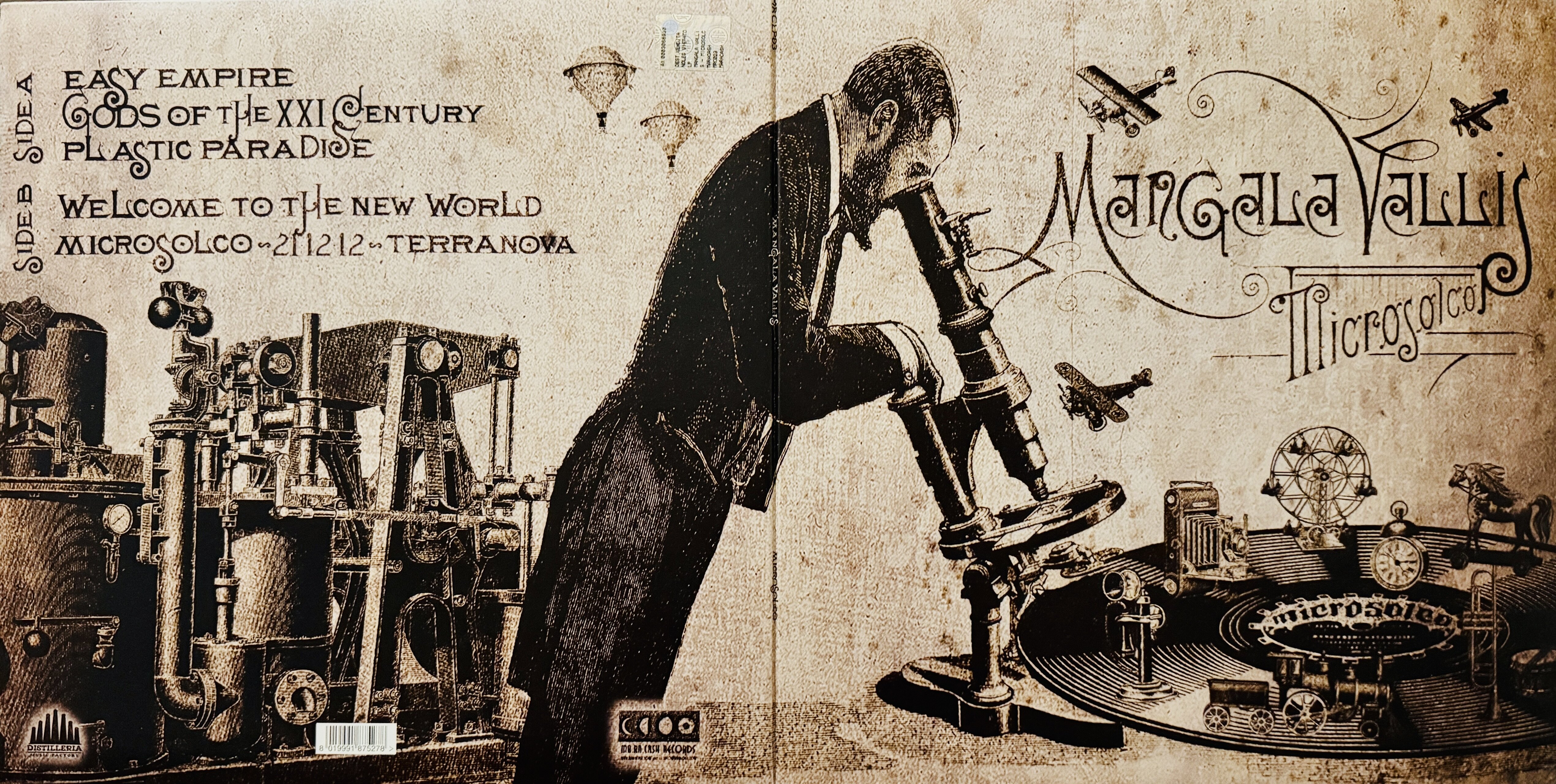
Microsolco by Mangala Vallis, 2012 album.
Mangala Vallis are an Italian progressive rock band formed in Reggio Emilia in 1998. Their name, inspired by a Martian canyon mentioned in Michael Crichton's novel "Sphere," reflects their artistic vision. The group was founded by Gigi Cavalli Cocchi, well-known drummer for Ligabue, ClanDestino, and CSI, together with Mirco Consolini (guitars and bass) and Enzo Cattini (keyboards).
For their debut album, "The Book of Dreams" (2002), they collaborated with Bernardo Lanzetti, former singer of PFM and Acqua Fragile. Lanzetti became an official member with the second album, "Lycanthrope" (2005). During this period, Nicola Milazzo and Riccardo Sgavetti also joined the band.
In 2012, Lanzetti and Sgavetti left the band. Roberto Tiranti, singer and bassist of Labyrinth and New Trolls, joined the lineup, debuting with the album “Microsolco.” Recently, keyboardist Gianfranco Fornaciari joined the historic lineup for their latest album.
Mangala Vallis offer a fascinating fusion of classic progressive rock and modern sounds, characterized by a melodic approach and meticulous attention to arrangements. The band draws inspiration from the golden era of the 1970s, with clear influences from Genesis (especially during the Peter Gabriel period), Gentle Giant, Yes and early Marillion. To create warm and rich atmospheres, they often use classic instruments of the genre, such as the Mellotron, Hammond organ, and Moog synthesizer.
In their most recent albums, such as “Microsolco” and “Voices,” their style has evolved towards a fresher and more accessible prog, similar to the elaborate and melodic prog of Spock’s Beard, thanks to their energetic grooves and vocal harmonies. Their music is almost always intertwined with structured stories or philosophical themes, ranging from the journeys of Jules Verne to criticism of modern digitalization.
Although they have Italian roots, they have chosen to sing in English to give the project an international scope. This partly distances them from the canons of classic “Italian Prog” (RPI), bringing them closer to a sound more akin to British and American neo-prog.
Microsolco is dominated by the presence of Roberto Tiranti on vocals. His crystalline and powerful style is perfect for the band's melodies.
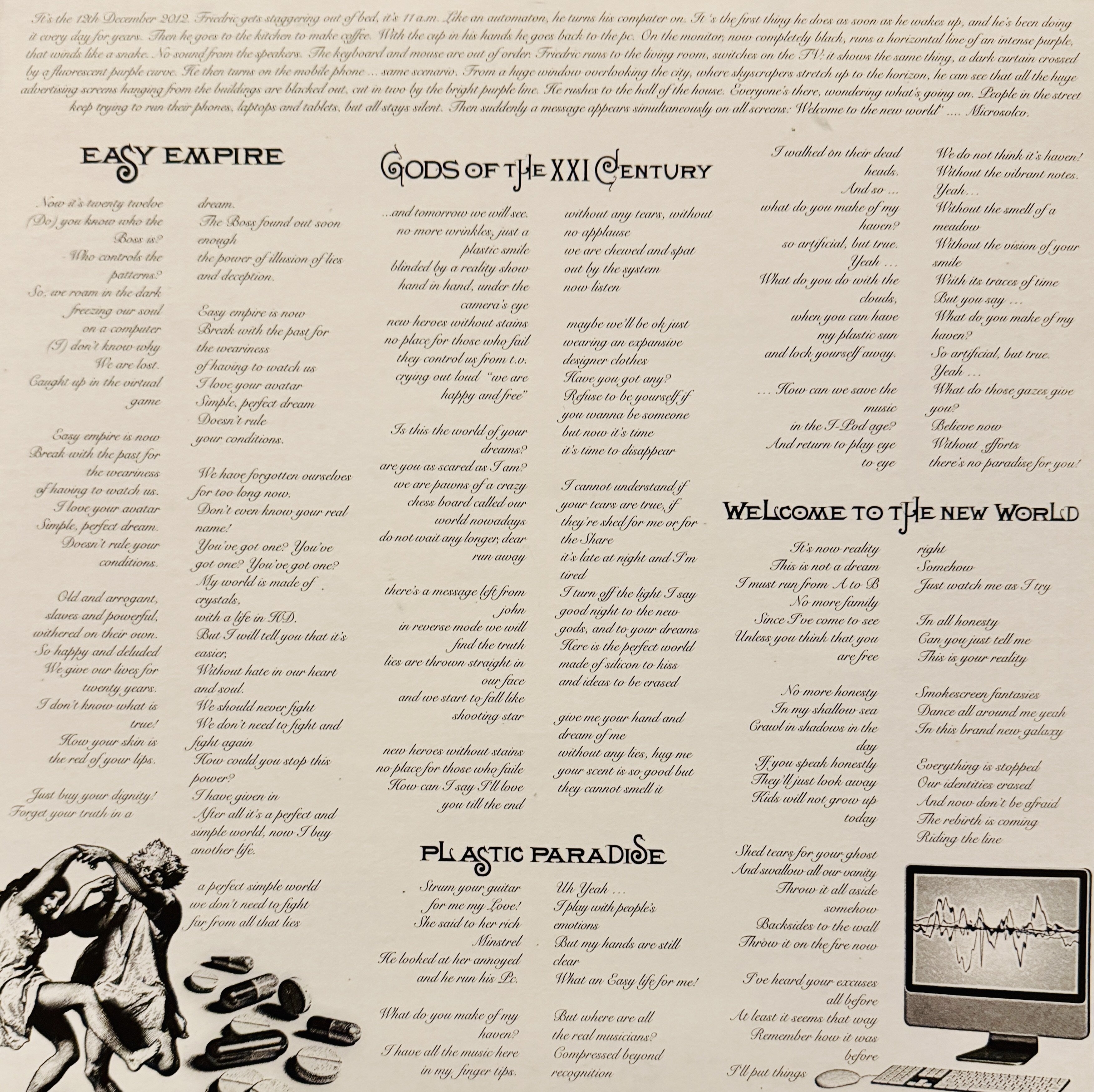
The concept of the album delves into a dystopian vision of the present, exploring the conflicted relationship between modern man and technology. The narrative unfolds on December 21, 2012, a date that many theories indicated as the “end of the world.” In the band's concept, there is no physical apocalypse, but rather the end of a world that existed until that moment: a hacker releases a virus into the network capable of annihilating the entire digital memory of the planet. The album reflects on the frenetic pace of today's society and the damage caused by excessive dependence on technology. The hacker's act is perceived as an act of liberation that forces humanity into deep introspection and a return to slower, more natural lifestyles, fostering a renewed closeness to Mother Earth. The album's journey concludes with the track Terranova, symbolizing a new beginning. The term Microsolco refers to the vinyl record, the emblem par excellence of a physical and “analog” listening experience that contrasts with the volatility of the digital world celebrated (and destroyed) in the concept.
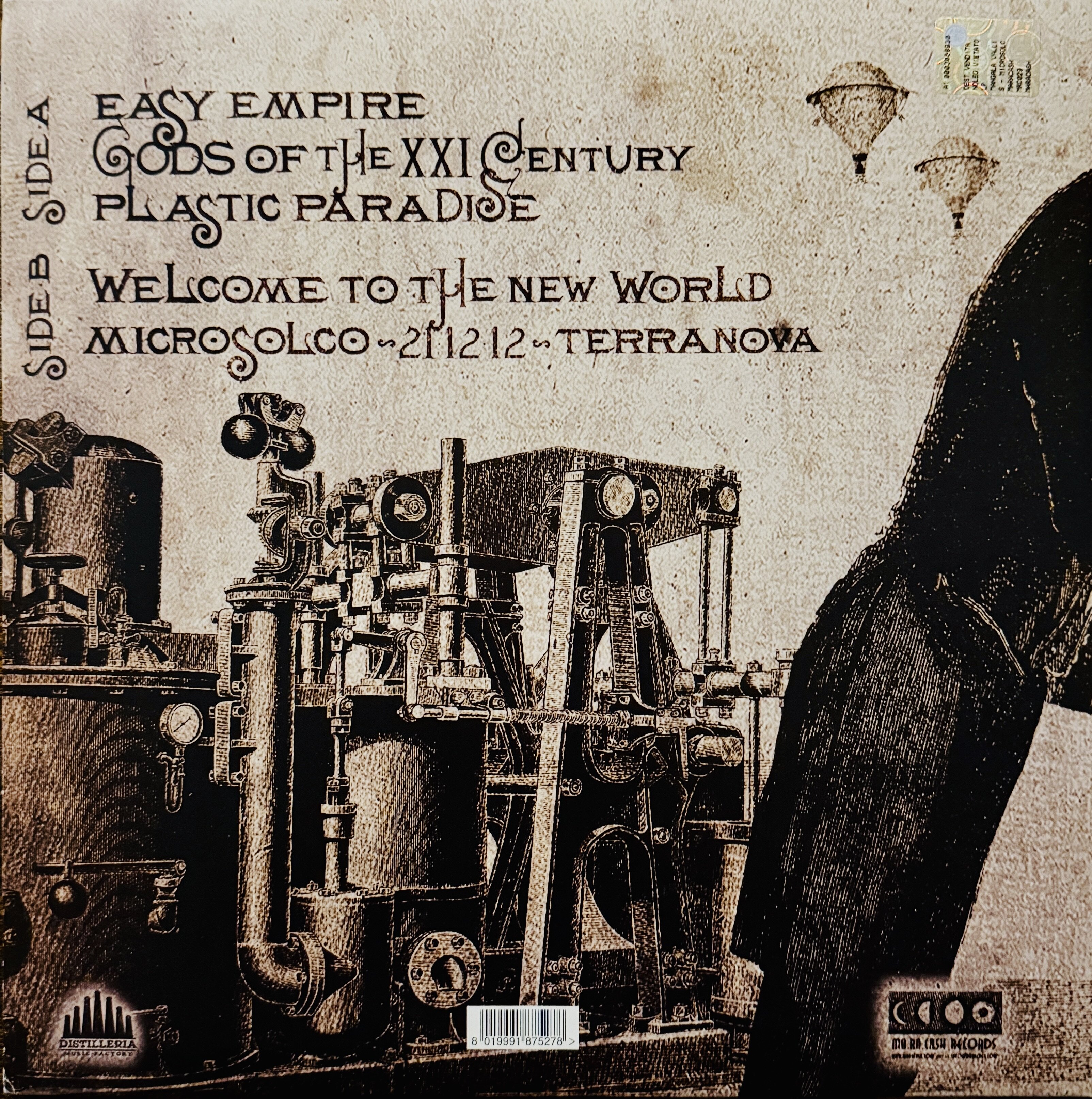
The album consists of 7 tracks that alternate neo-prog moments with atmospheric passages.
With driving rhythms and a spot-on chorus, “Easy Empire” opens the album, immediately showcasing Roberto Tiranti’s vocal versatility. The fusion of prog and engaging melodies, culminating in a breathtaking orchestral finale, is simply sublime.
“Gods of the XXI Century” is an intricate, typically prog track, boasting excellent keyboard work (Hammond and Mellotron) and a central synthesizer solo reminiscent of Spock’s Beard’s style.
“Plastic Paradise” is a melodic rock song with a linear structure and top-notch arrangements.
“Welcome to the New World,” the longest track on the album, alternates symphonic openings with tighter rhythmic sections, driven by Gigi Cavalli Cocchi’s drumming.
The title track, “Microsolco,” stands out for its clean and incisive bass lines that provide a base for refined guitar arpeggios. The vocal performance is simply stunning.
“21-12-12” is an epic track, with a great and passionate performance by Tiranti.
“Terranova” closes the album, a ballad with great piano and vocals, conveying peace and tranquility.
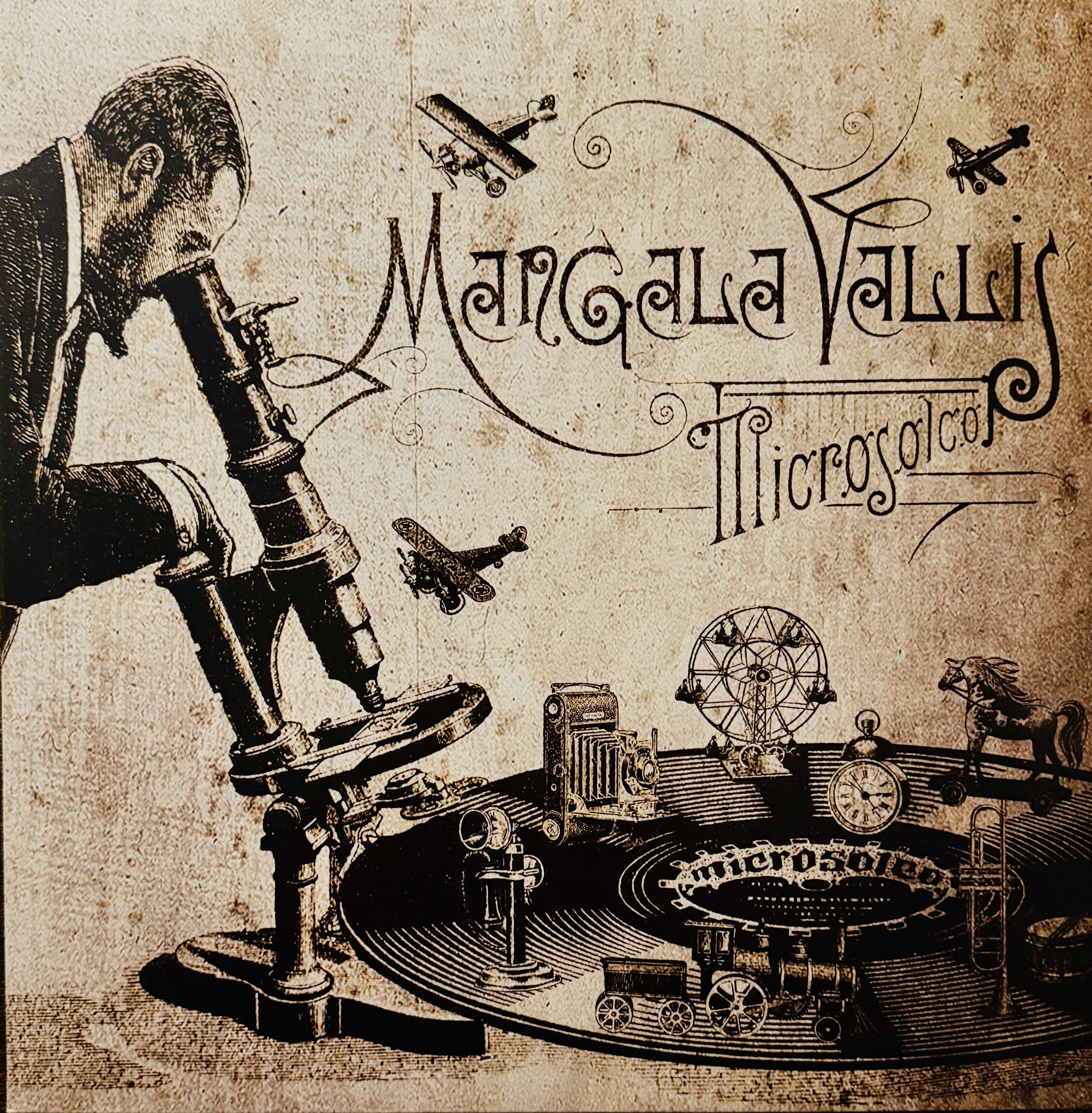
The artwork was created by Gigi Cavalli Cocchi, who is also an established graphic designer and illustrator (he has designed, among others, many covers for Ligabue).
The cover image depicts an old record player with a vinyl record. To its left, a man from another era observes the record through an intricate microscope, aimed not at a slide, but directly at its grooves. On the vinyl, a microcosm of vintage objects comes to life: a Ferris wheel, a bellows camera, a pocket watch, a steam locomotive, and a rocking horse. These elements symbolize the “physical memory” and the history of mankind that the concept’s hacker intends to protect or rediscover. The biplanes circling around the logo reinforce the early twentieth-century atmosphere, an era perceived as more “human” compared to the contemporary digital chaos. The style recalls ancient engravings or illustrations from Jules Verne’s novels, an author much loved by the band (already celebrated in their first album). This image perfectly captures the idea of “analyzing up close” (the microscope) what makes our existence human.
An album that is a shining example of neo-prog and symphonic rock, characterized by overwhelming energy and breathtaking keyboards. The fusion of vintage instruments like Mellotron and Hammond, combined with modern and crystalline production, guarantees a smooth and rewarding listening experience.
Highly recommended!
Tracklist
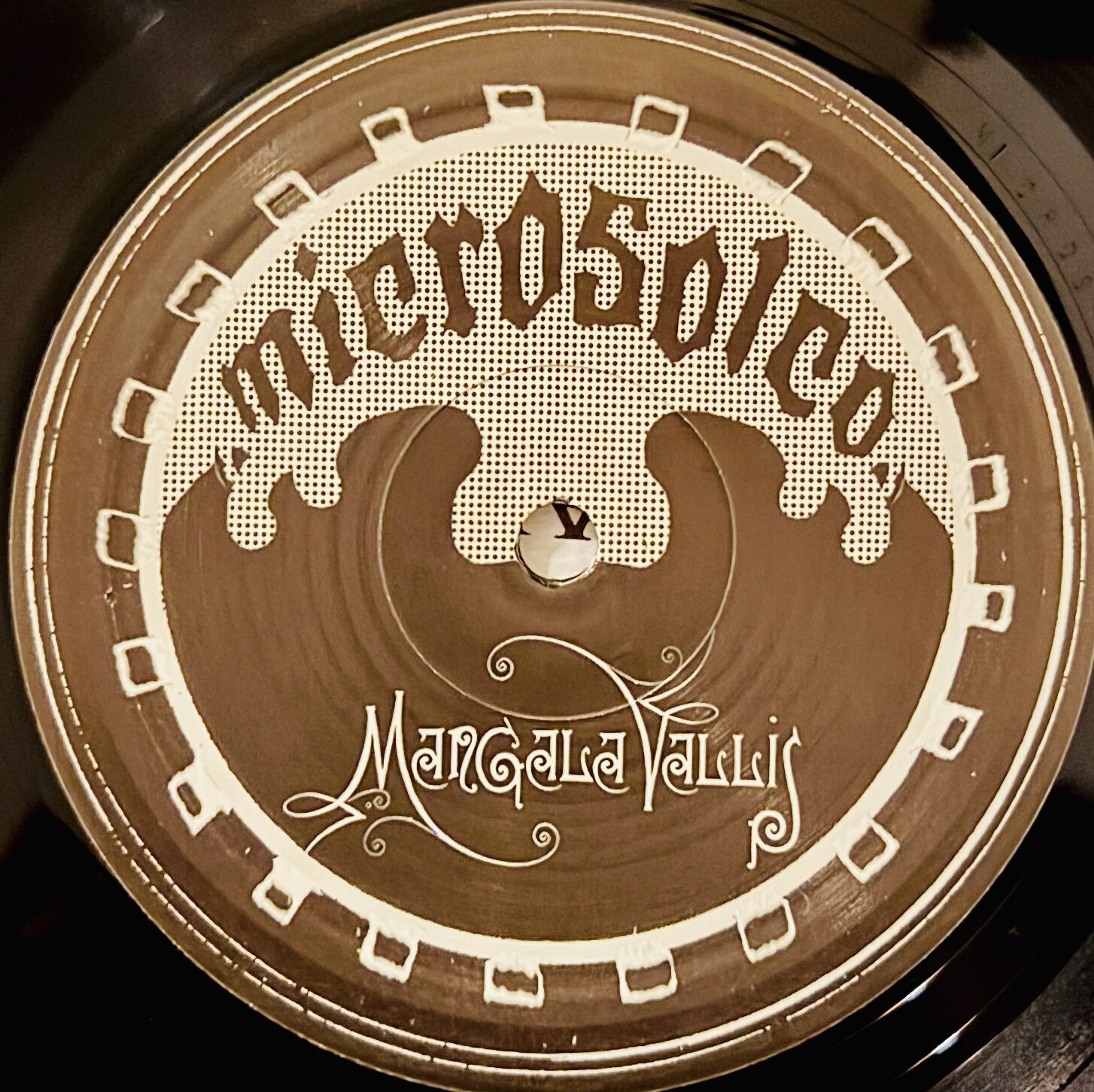
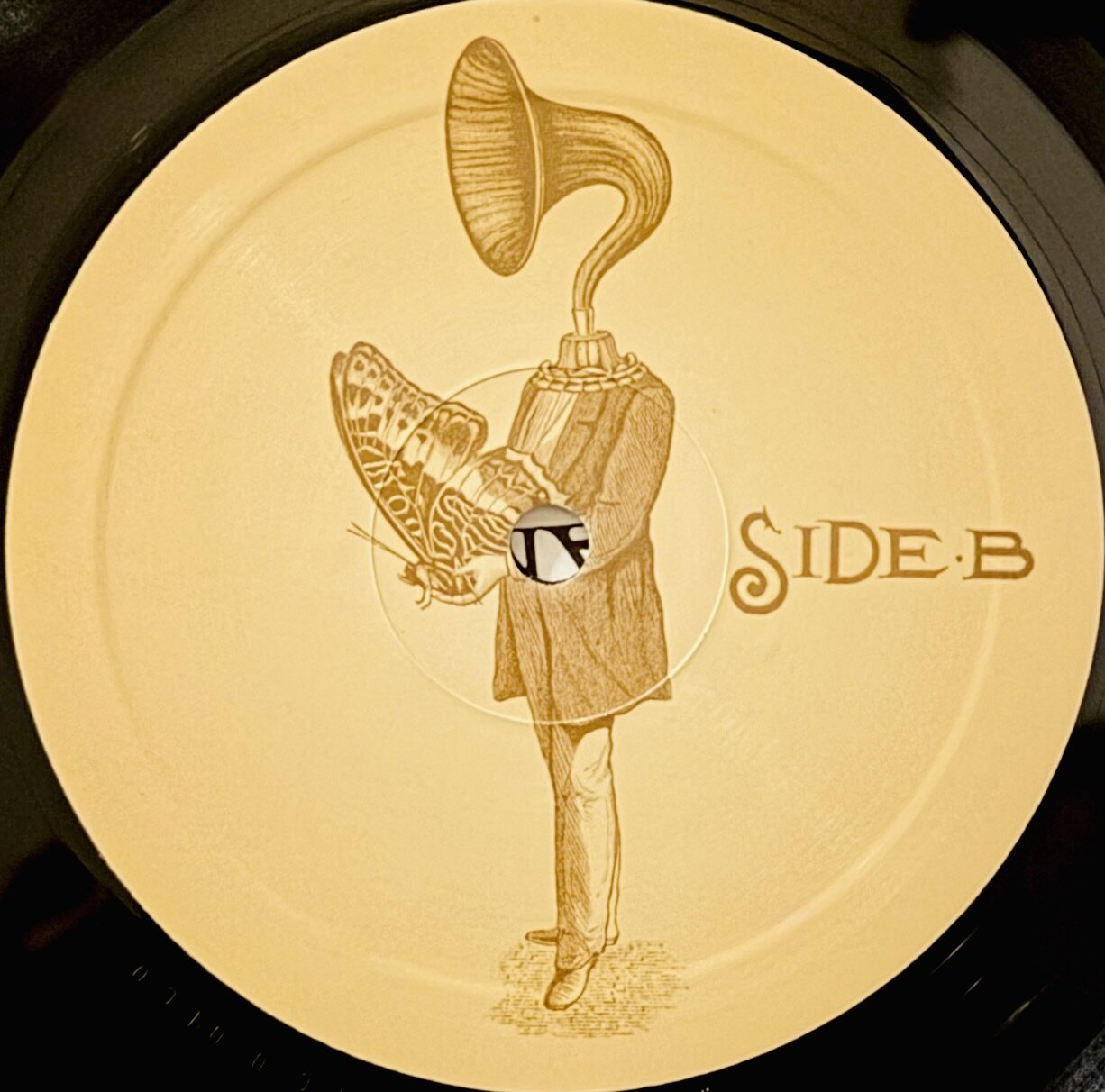
My copy:
Label: Ma.Ra.Cash Records – MRCLP03
Format: Vinyl, LP
Country: Italy
Released: 2012
The Tracks:
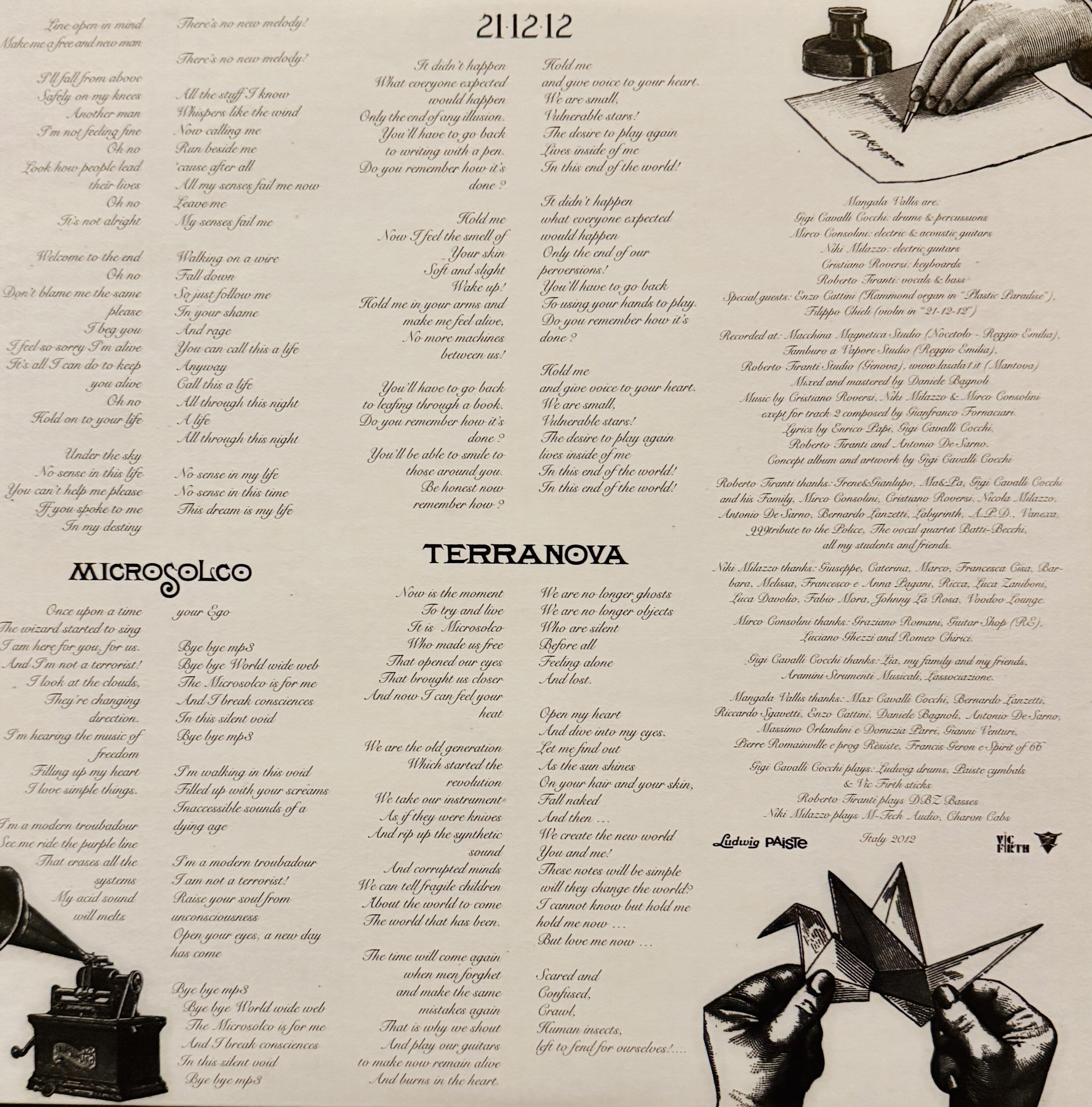
1. Easy Empire (8:28)
2. Gods Of The XXI Century (7:39)
3. Plastic Paradise (4:36)
4. Welcome To The New World (8:30)
5. Microsolco (6:02)
6. 21-12-12 (4:46)
7. Terranova (5:09)
Duration 45:10
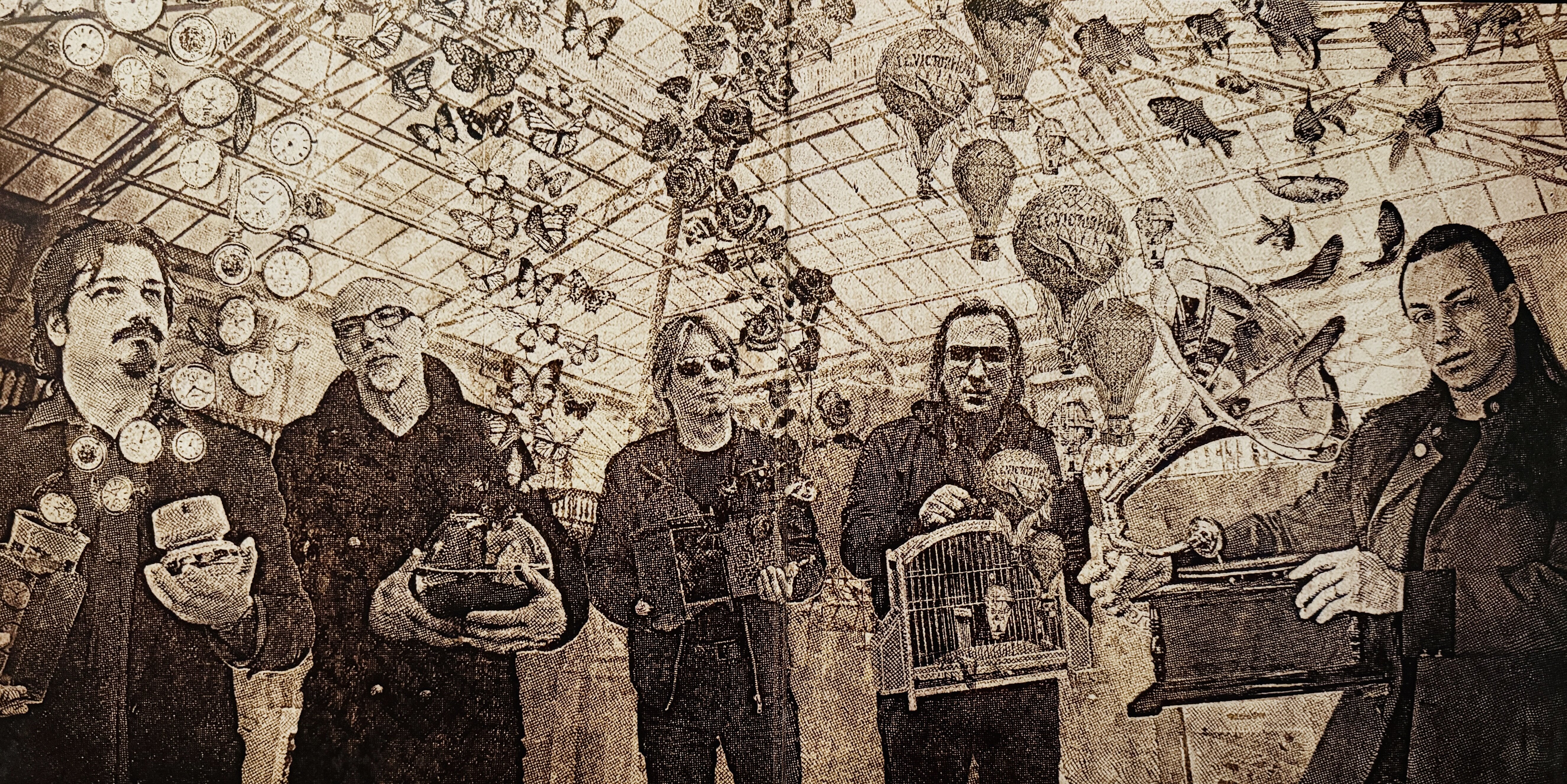
LineUp
- Nicola Milazzo - guitar
- Mirco Consolini - acoustic and electric guitars
- Cristiano Roversi - keyboards
- Roberto Tiranti - bass, vocals
- Gigi Cavalli Cocchi - drums, percussion
With:
- Enzo Cattini - Hammond organ (3)
- Filippo Chieli - violin (6)
Link for listening:
The album teaser from the official Youtube channel of Roberto Tiranti
Note: All links to the musicians' works are in the TAGS below the article title or on the "Artists"