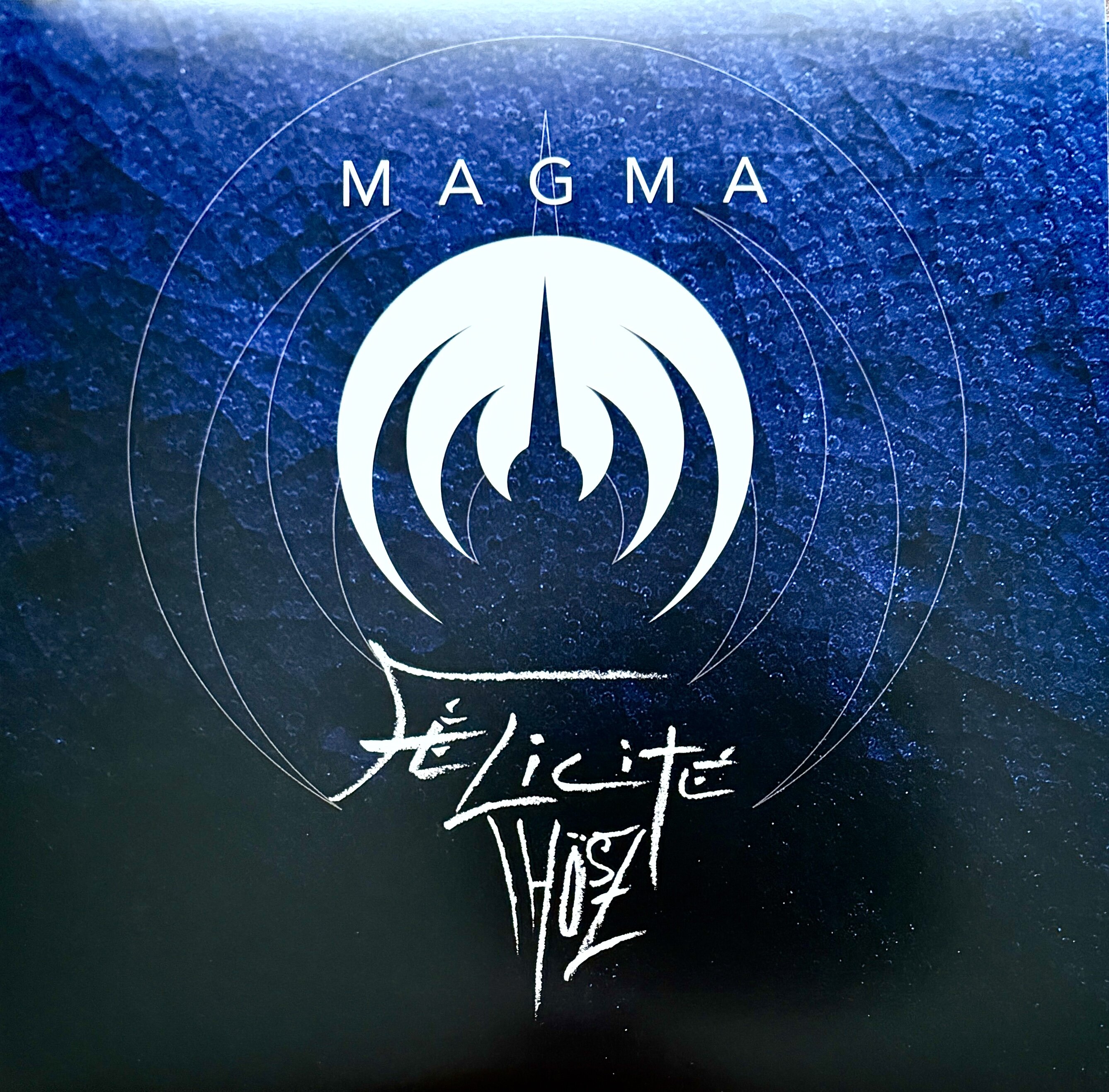
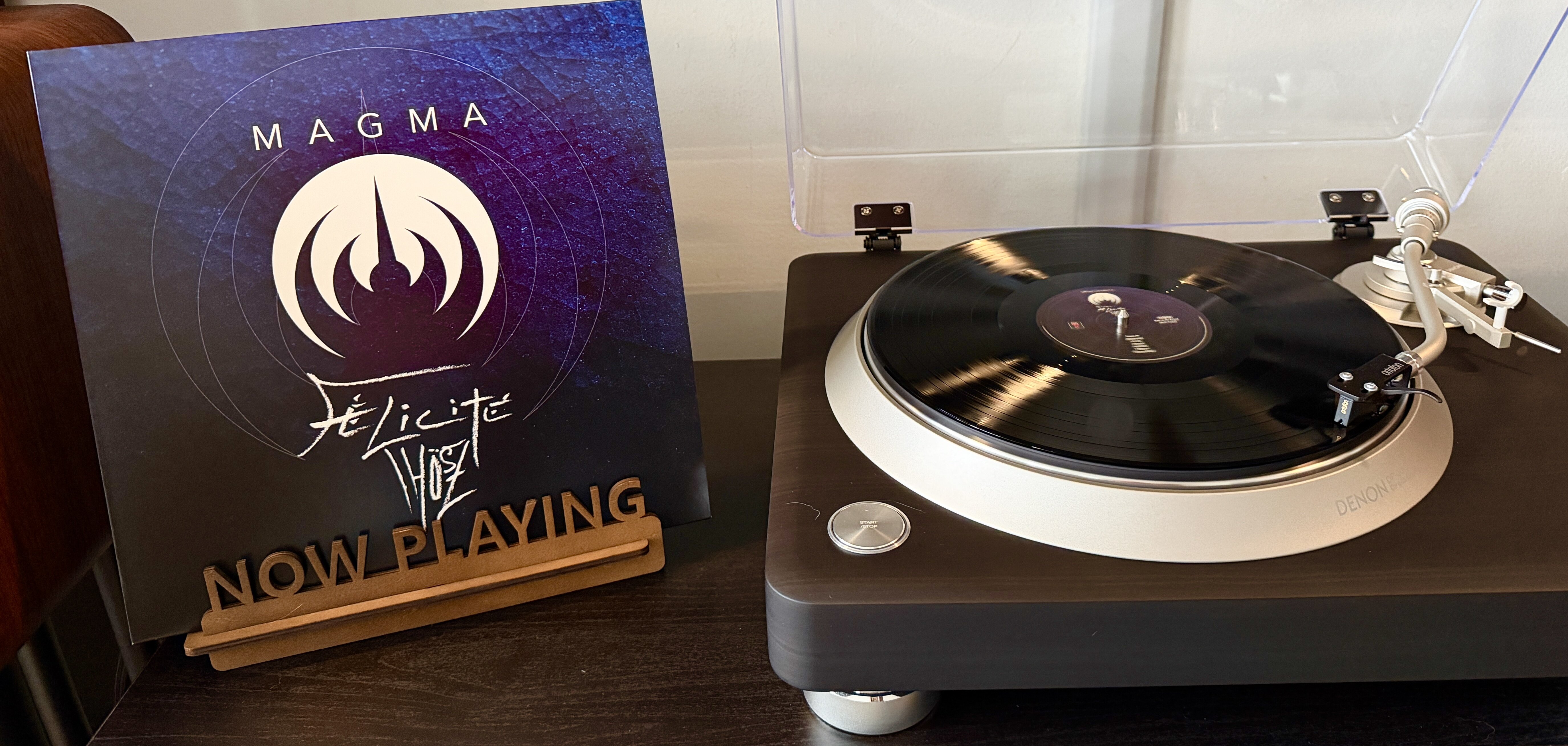
Félicité Thösz by Magma, a 2012 album.
Before this record, I didn’t think a Magma album could stir melancholy, nostalgia, hope…
I didn’t think Kobaïan could express such emotions with sweetness and lightness…
I never imagined a Magma album could even bring on emotion…
Then this record arrived…
I had the luck and privilege of seeing Magma live, on Friday 6 March 2026, at the Sala Sinopoli of Rome’s Auditorium Parco della Musica Ennio Morricone, which hosted a historic event: their return to Italy in a “full band” lineup after a full 46 years. Leading the ensemble, with incredible energy despite his 78 years, was Christian Vander, who managed to faithfully recreate the kobaïan harmonic complexities. Vander’s genius and Magma’s music live are experiences that thrill and move you at the same time. Unforgettable. And this album, too, comes from extraordinary live performances.
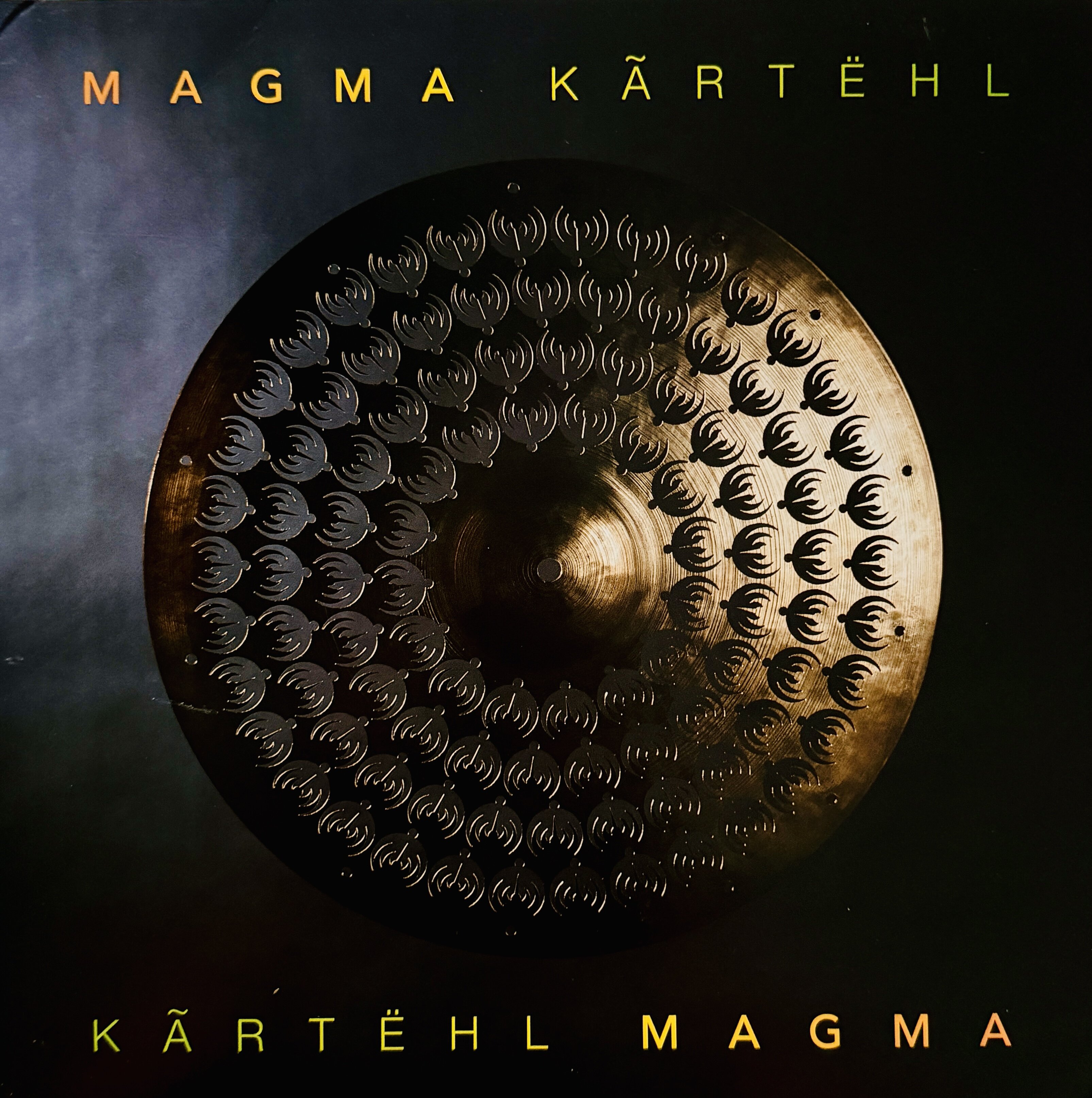
Félicité Thösz is the first studio album with completely new pieces after a full 27 years since Magma’s 1996 reunion. Before that, with albums like K.A. (2004) and Ëmëhntëhtt-Ré (2009), Magma had brought us their music again with old, splendid ’70s scores they had taken up again and completed. Instead, Félicité Thösz is a suite composed entirely by Christian Vander between 2001 and 2002, tried out live starting in 2009, before being finally recorded between September 2011 and April 2012.
Magma had delighted us with their Zeuhl of dark, martial and apocalyptic atmospheres, with lyrics centered on the sci‑fi epic of the planet Kobaïa. With Félicité Thösz they break with this tradition. This album has a decidedly brighter, angelic, optimistic and almost dreamlike tone. The melodies are airy and light, thanks to the piano, vibraphone, glockenspiel and the grace of the vocal textures. Alongside nods to contemporary classical music, Vander wanted to pay an explicit tribute to soul sonorities. This gave birth to a suite with a wholly new and original vocal and rhythmic groove.
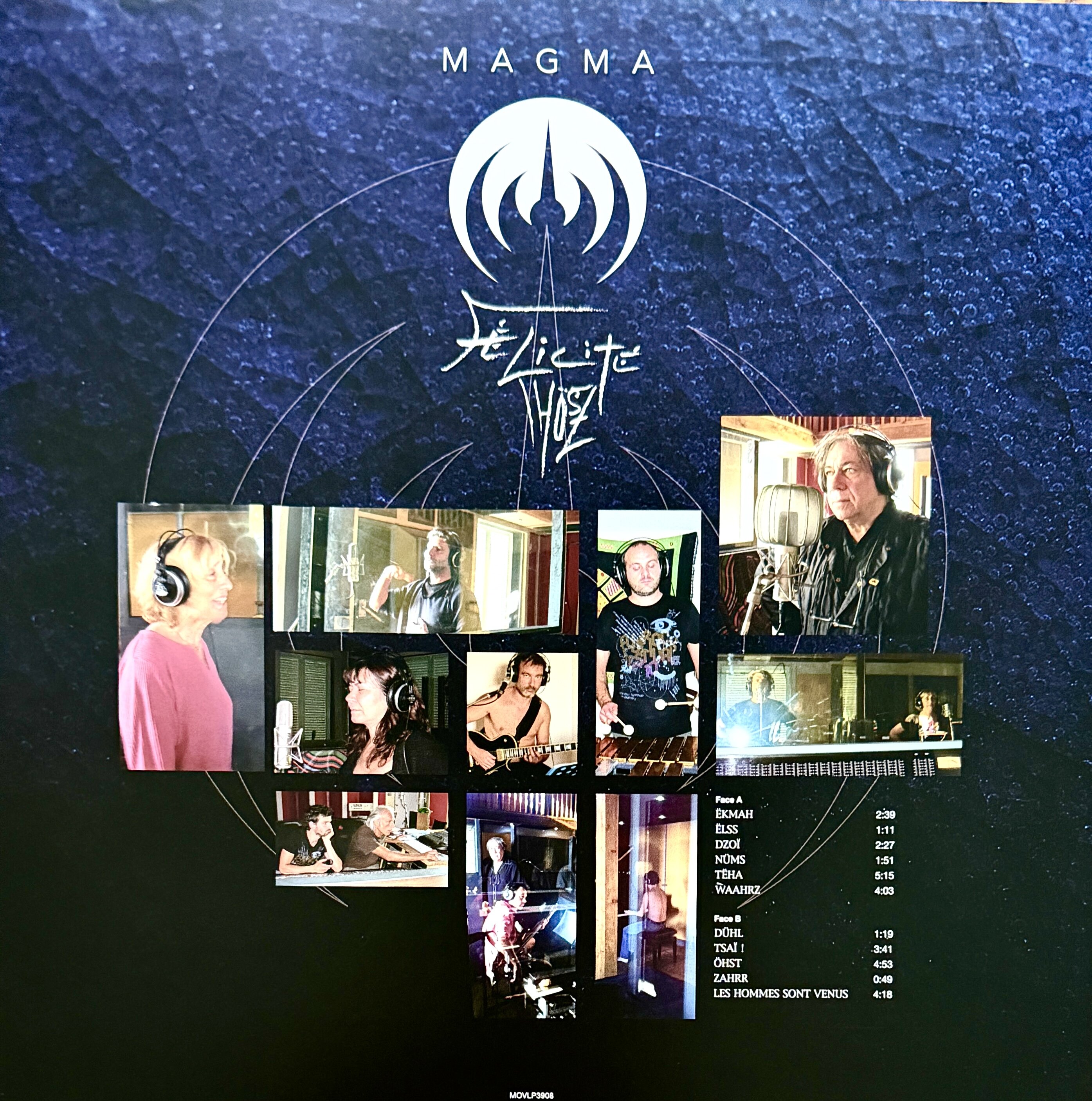
The lineup that recorded Félicité Thösz is that of one of the most stable and technically formidable periods in the band’s recent history.
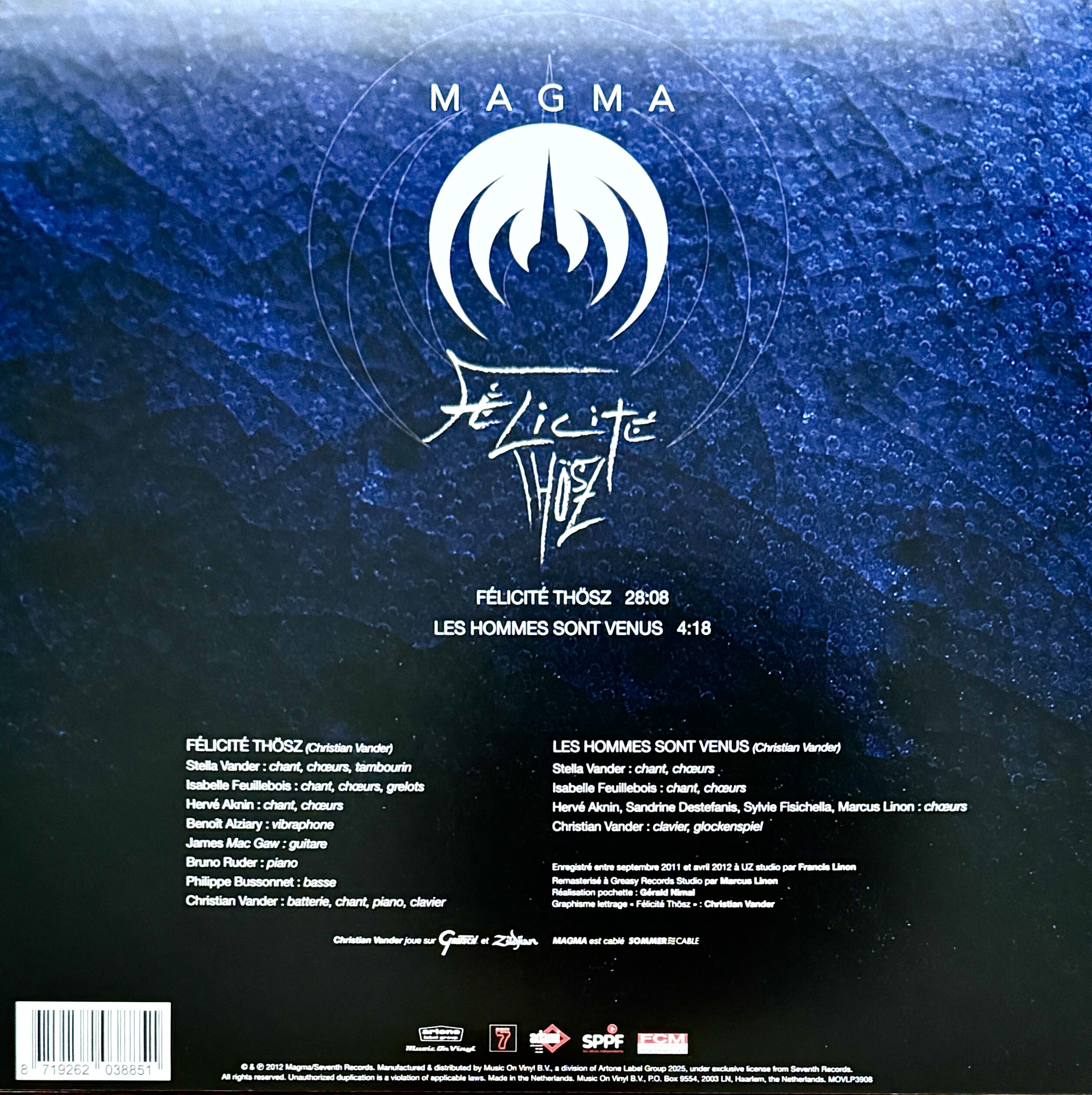
Christian Vander: Drums, piano, keyboards and lead vocals.
Stella Vander: Lead vocals and tambourine.
Isabelle Feuillebois: Vocals and bells.
Hervé Aknin: Vocals.
James Mac Gaw: Guitar.
Philippe Bussonnet: Bass.
Bruno Ruder: Piano.
Benoît Alziary: Vibraphone.
For the final track, "Les Hommes Sont Venus", Sandrine Destefanis, Sylvie Fisichella and Marcus Linon also join the backing vocals.
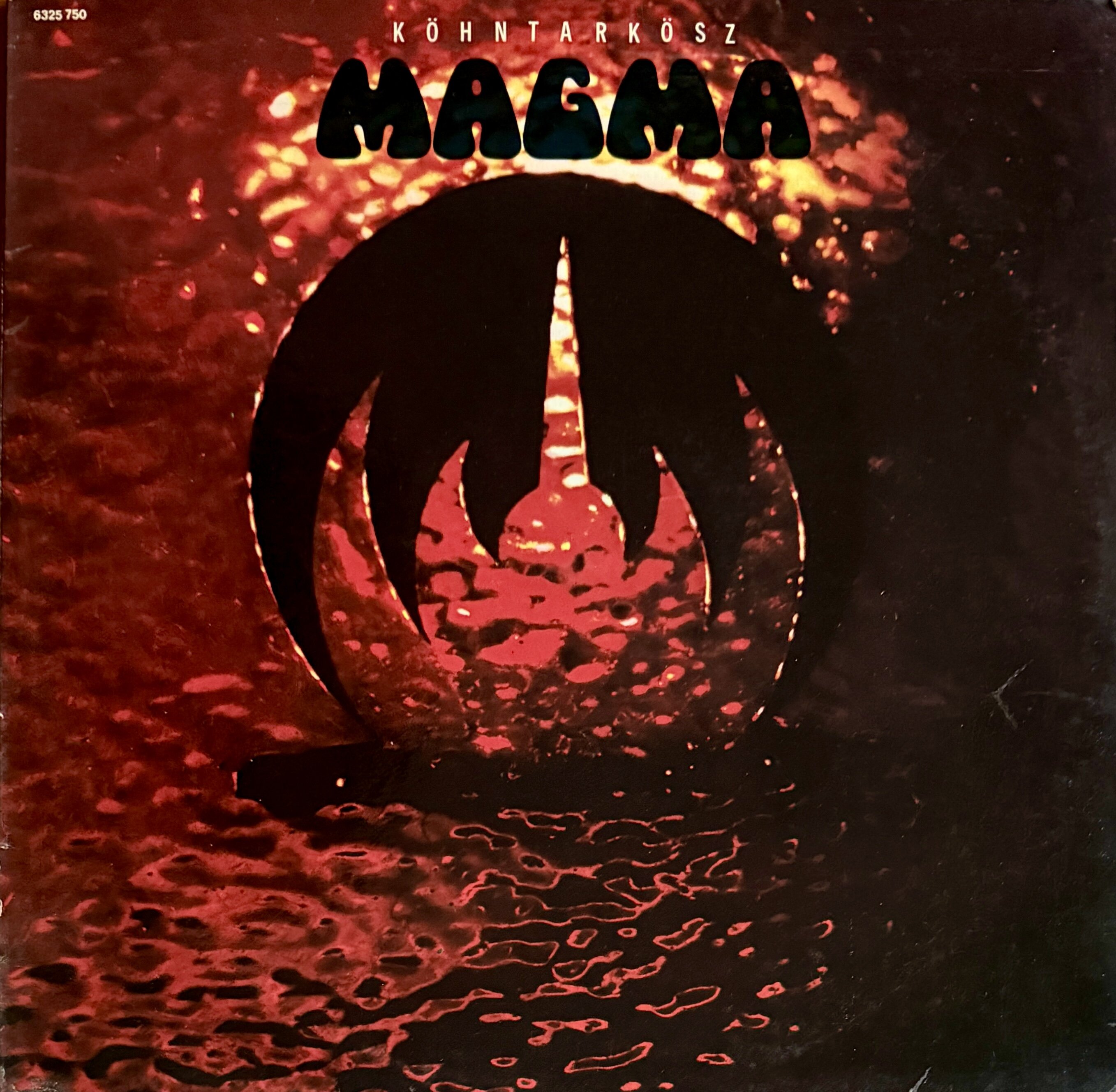
Félicité Thösz is an album that marks a change of course in the myth of Kobaïa created by Christian Vander. Unlike the historic works of the ’70s, such as Mëkanïk Dëstruktïẁ Kömmandöh, which focused on space wars, geopolitical conflicts and dark funeral rituals, this album takes us on a fairy‑tale journey to discover our planet, Earth.
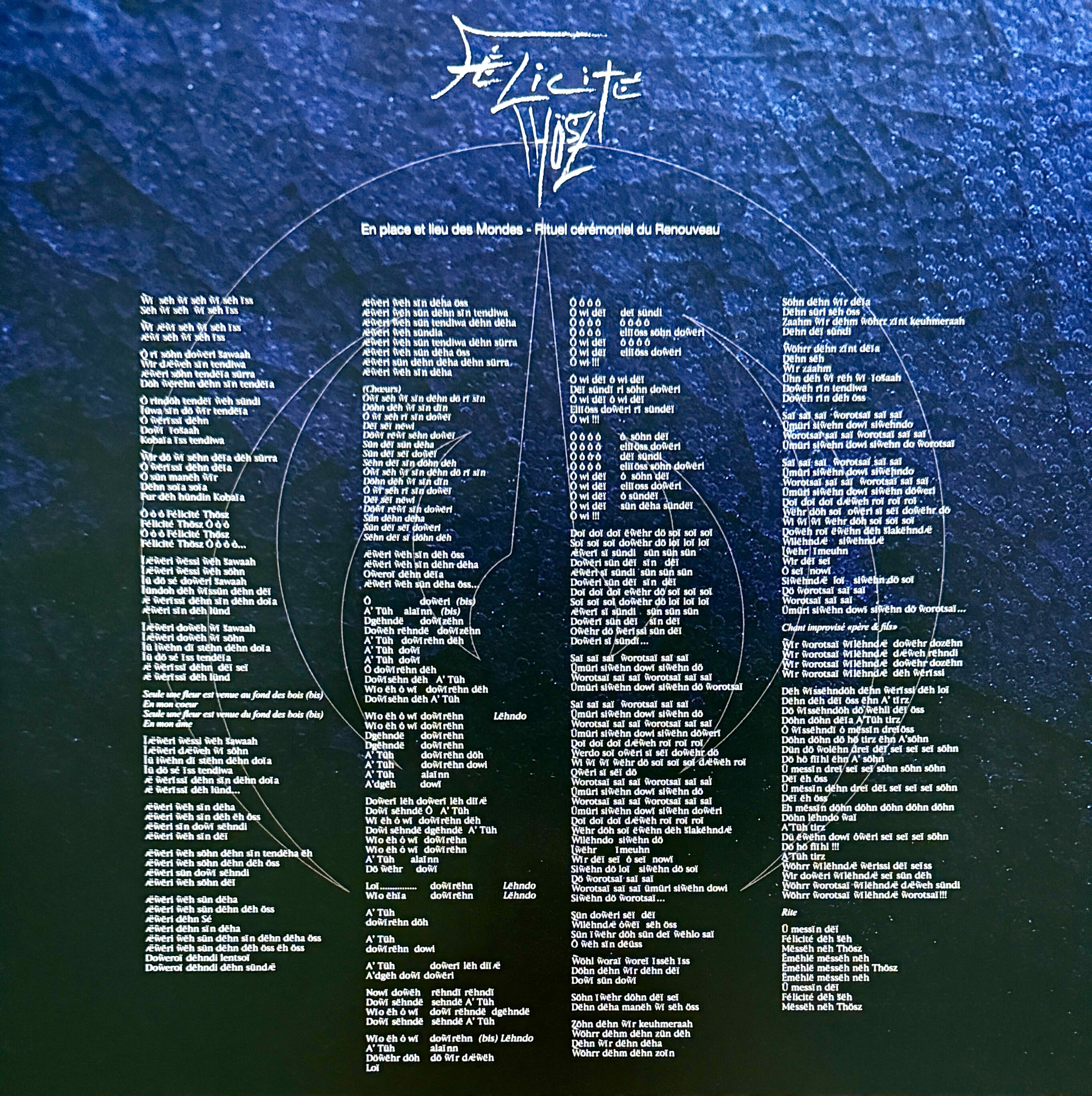
Instead of telling a story of destruction, Félicité Thösz is a celebration of life, love and eternal peace. Kobaïan here becomes a tool to create purely heavenly vocal textures.
The album is one single, large musical suite, but if I had to choose just one moment that best represents the soul of this album, it would without doubt be “Tëha”, the fifth movement of the suite. It’s the memorable track and the most surprising on the record. In this piece, the key changes suddenly, and the band bursts into a pop‑soul anthem full of energy, with an infectious handclap-and-tambourine rhythm. It’s a clear tribute by Christian Vander to the sound of ’60s Tamla Motown.
It should be clarified that Tamla Motown is the name of an important record label and of the famous Motown brand, which made soul music and rhythm and blues famous and launched worldwide legends such as Stevie Wonder, Marvin Gaye, Diana Ross & The Supremes, The Temptations and the Jackson 5.
Stella Vander’s soprano voice is simply incredible: it reaches very high peaks, leads an absolutely gripping call‑and‑response choir, accompanied by an insistent piano. It’s a joyful and refined passage, never heard before in Magma’s discography.
Besides Tëha, the suite is full of dynamic, engaging moments, including three other highlights:
“Ëkmah”, the album’s calling card. It begins with Magma’s classic solemn, mysterious choir, but accompanied by a truly grand piano.
“Nüms”, which is the most melodic moment for the male voices, with a lively polyphonic weave. It paves the way and the emotional tension that will explode right after in Tëha.
“Tsaï !”, the most aggressive track on the record, with powerful, hypnotic choral singing and a rhythm section of tremendous intensity.
Félicité Thösz is an album that sparked debate. Its length of just 32 minutes and the lack of drama and the oppressive atmospheres of the early days can leave their most die‑hard supporters taken aback. In my view it’s one of the best works of the band’s new era, which proved it could explore a sunnier, more melodic and accessible direction without losing its legendary rhythmic—and above all performance—complexity.
It’s a sophisticated record that manages to be catchy without ever being banal. And for that, excellent.
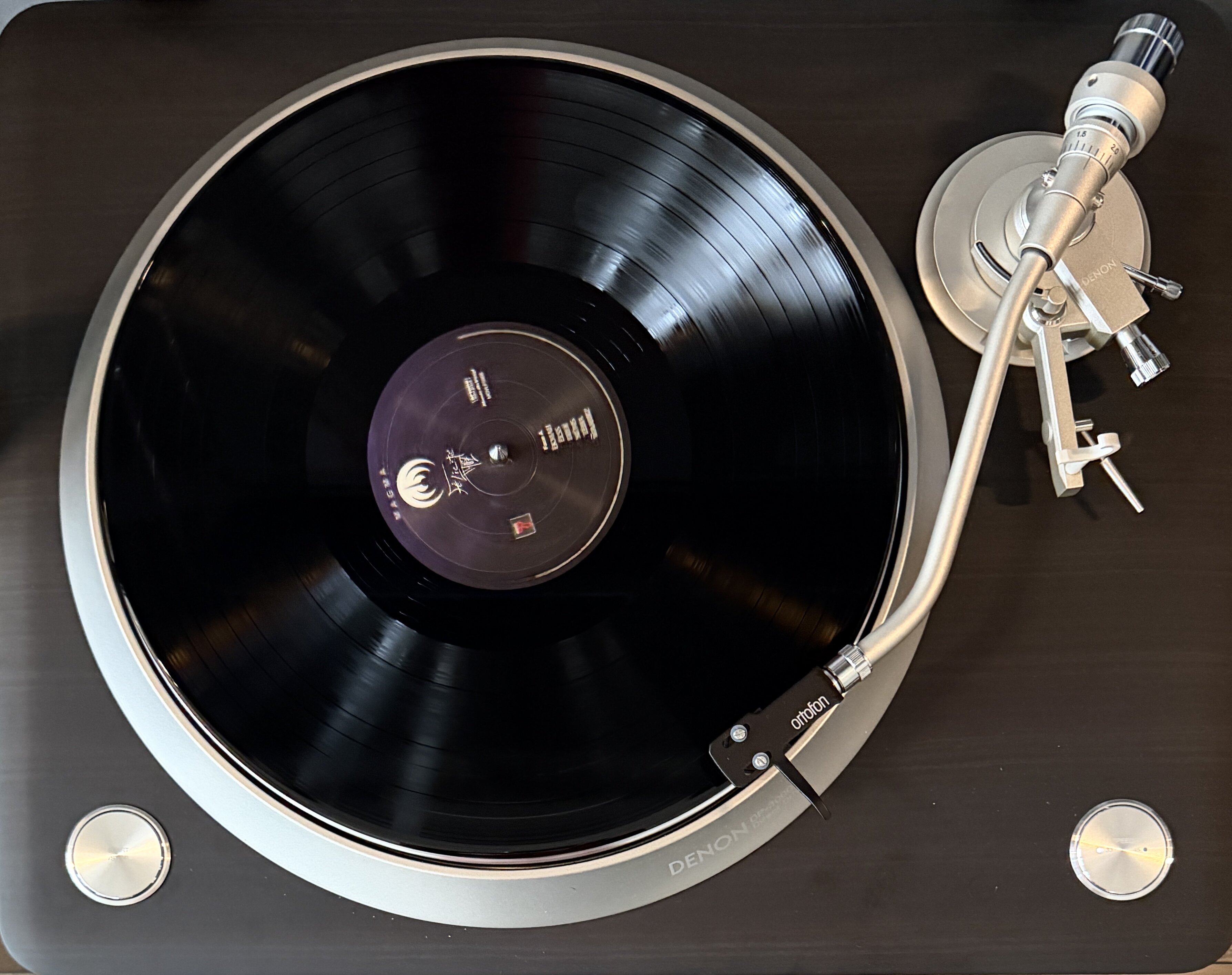
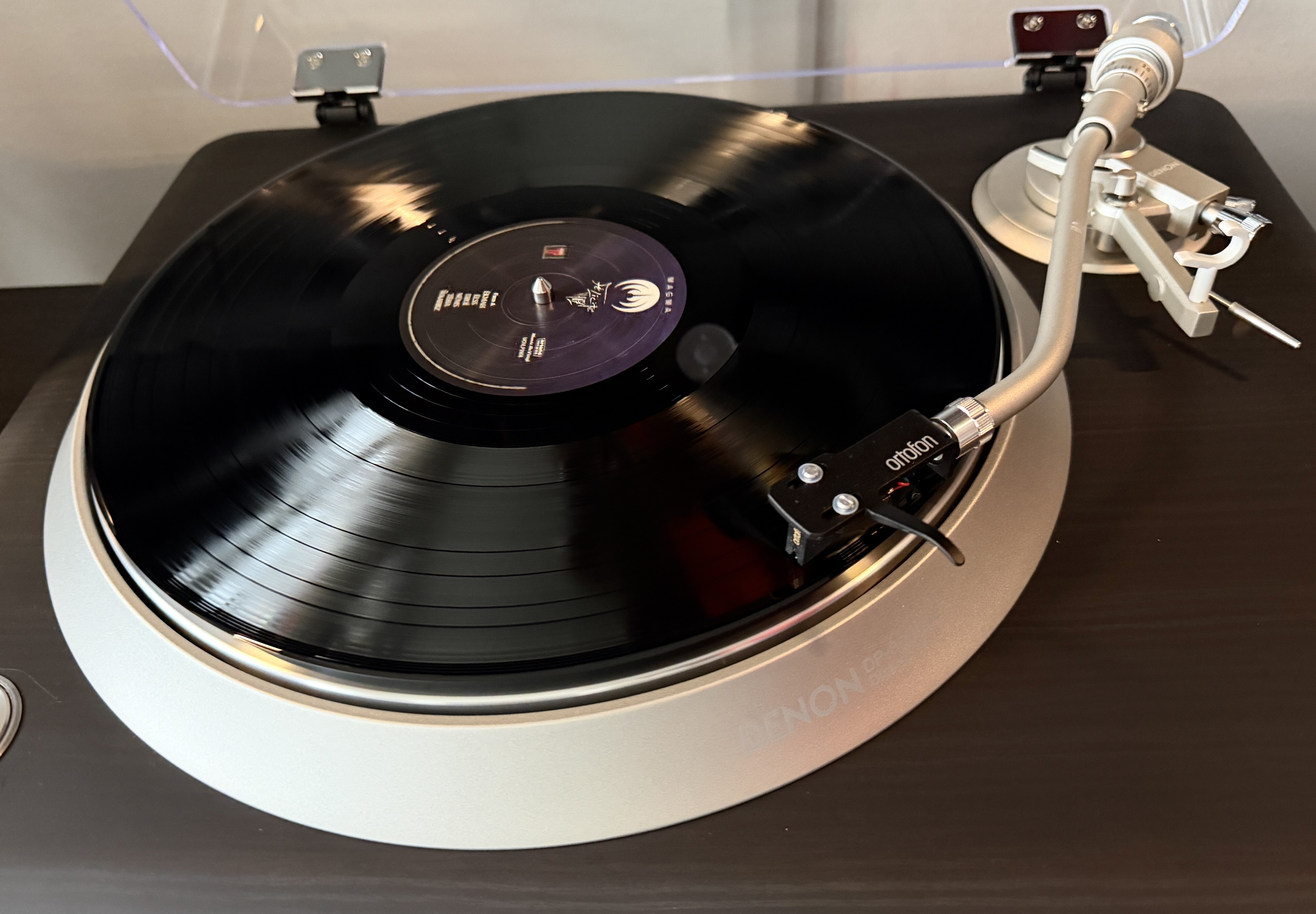
My Copy
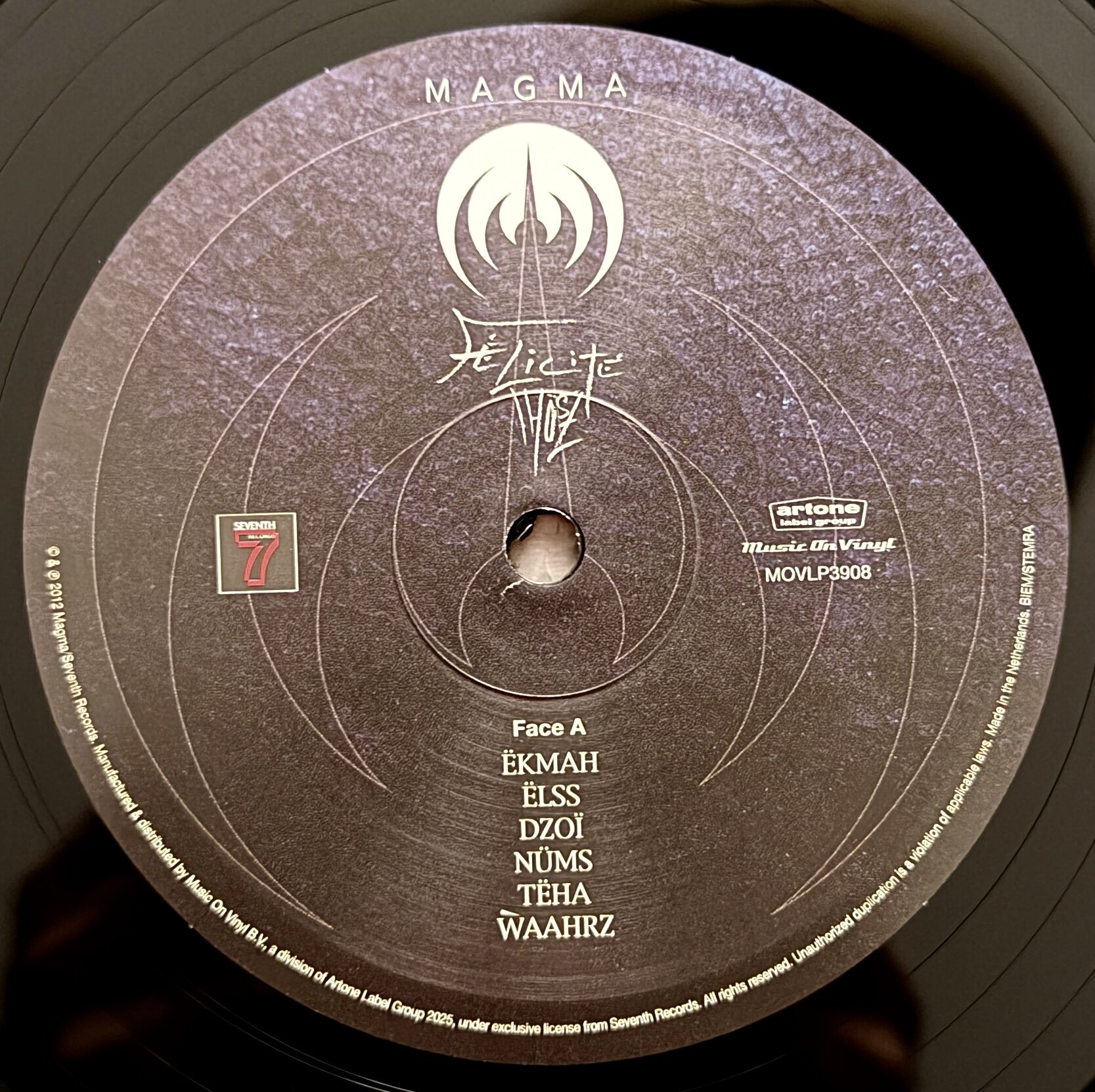
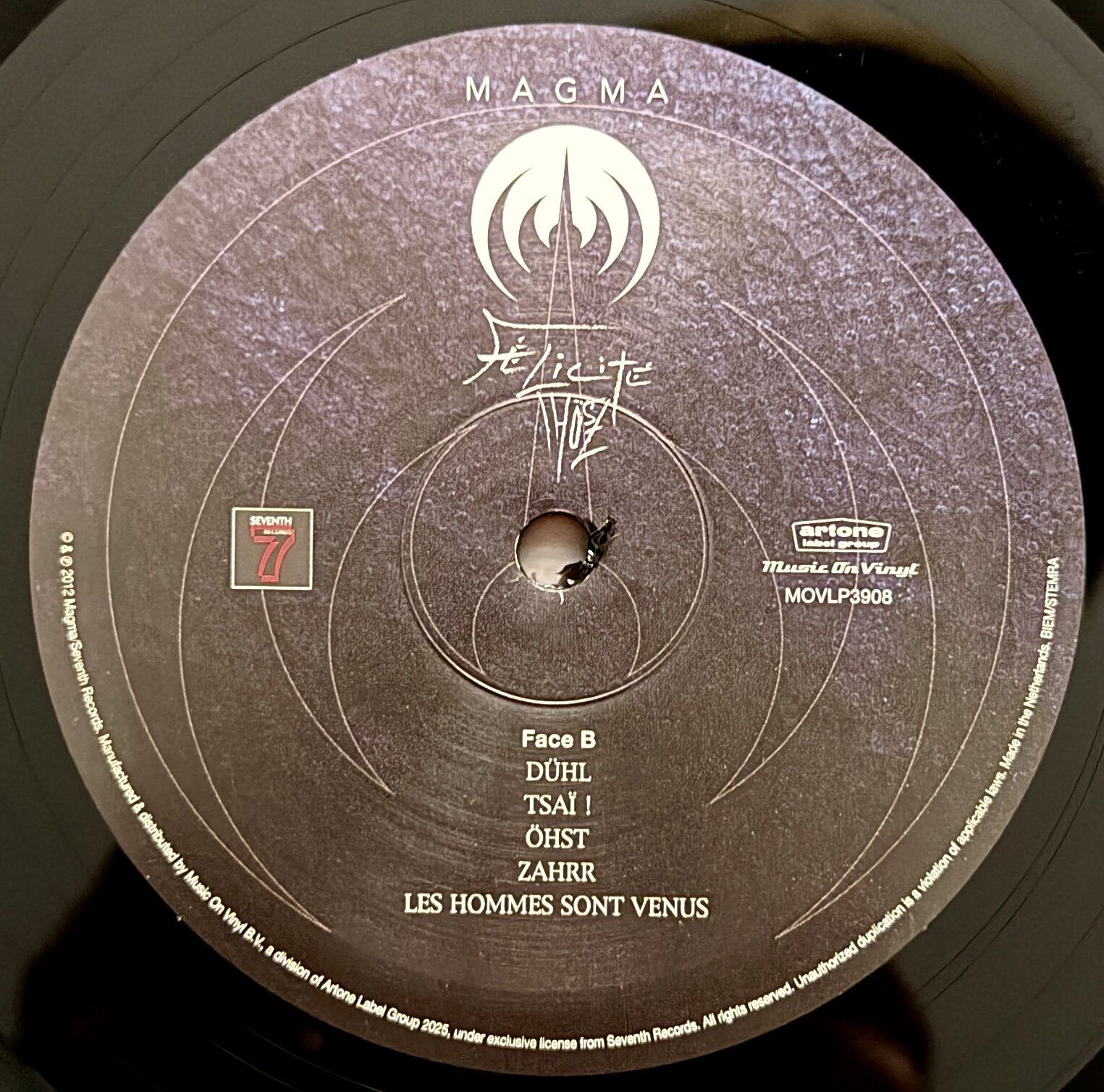
Label: Music On Vinyl – MOVLP3908, Seventh Records – MOVLP3908, Artone Label Group – MOVLP3908
Format: Vinyl, LP, 45 RPM, Album, Reissue, Remastered, Stereo, 180 Gram
Country: Netherlands
Released: 3 Oct 2025
Tracklist
Félicité Thösz (28:08)
A1 Ëkmah 2:39
A2 Ëlss 1:11
A3 Dzoï 2:27
A4 Nüms 1:51
A5 Tëha 5:15
A6 Ẁaahrz 4:03
B1 Dühl 1:19
B2 Tsaï ! 3:41
B3 Öhst 4:53
B4 Zahrr 0:49
B5 Les Hommes Sont Venus 4:18
Lineup
Bass [Basse] – Philippe Bussonnet
Bells [Grelots] – Isabelle Feuillebois (tracks: A1 to B4)
Choir [Chœurs] – Hervé Aknin, Marcus Linon, Sandrine Destefanis, Sylvie Fisichella
Drums [Batterie], Vocals [Chant], Piano – Christian Vander
Glockenspiel – Christian Vander (tracks: B5)
Guitar [Guitare] – James Mac Gaw
Keyboards [Clavier] – Christian Vander
Piano – Bruno Ruder
Tambourine [Tambourin] – Stella Vander (tracks: A1 to B4)
Vibraphone – Benoît Alziary
Vocals [Chant] – Hervé Aknin
Vocals [Chant], Choir [Chœurs] – Isabelle Feuillebois, Stella Vander