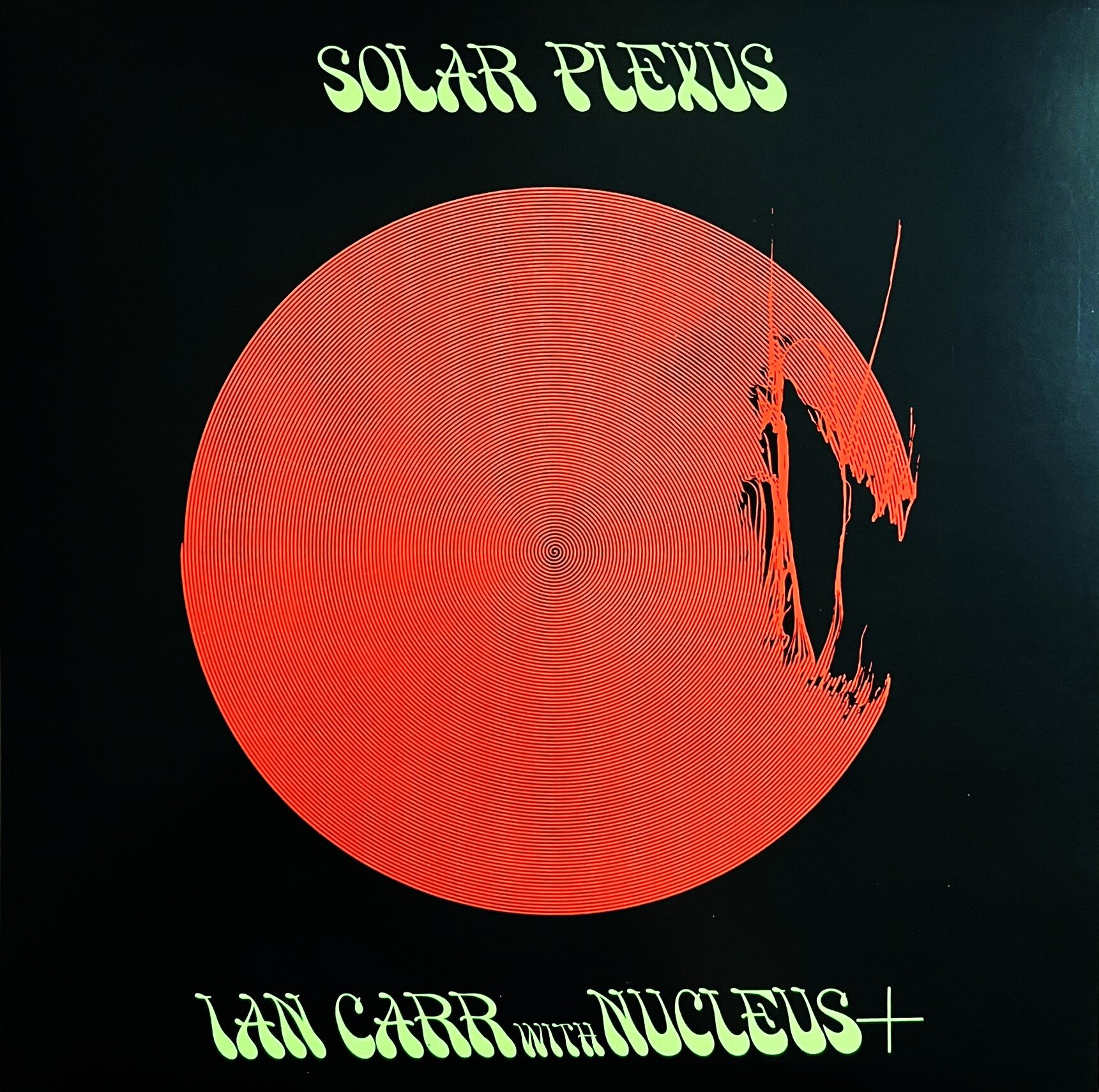
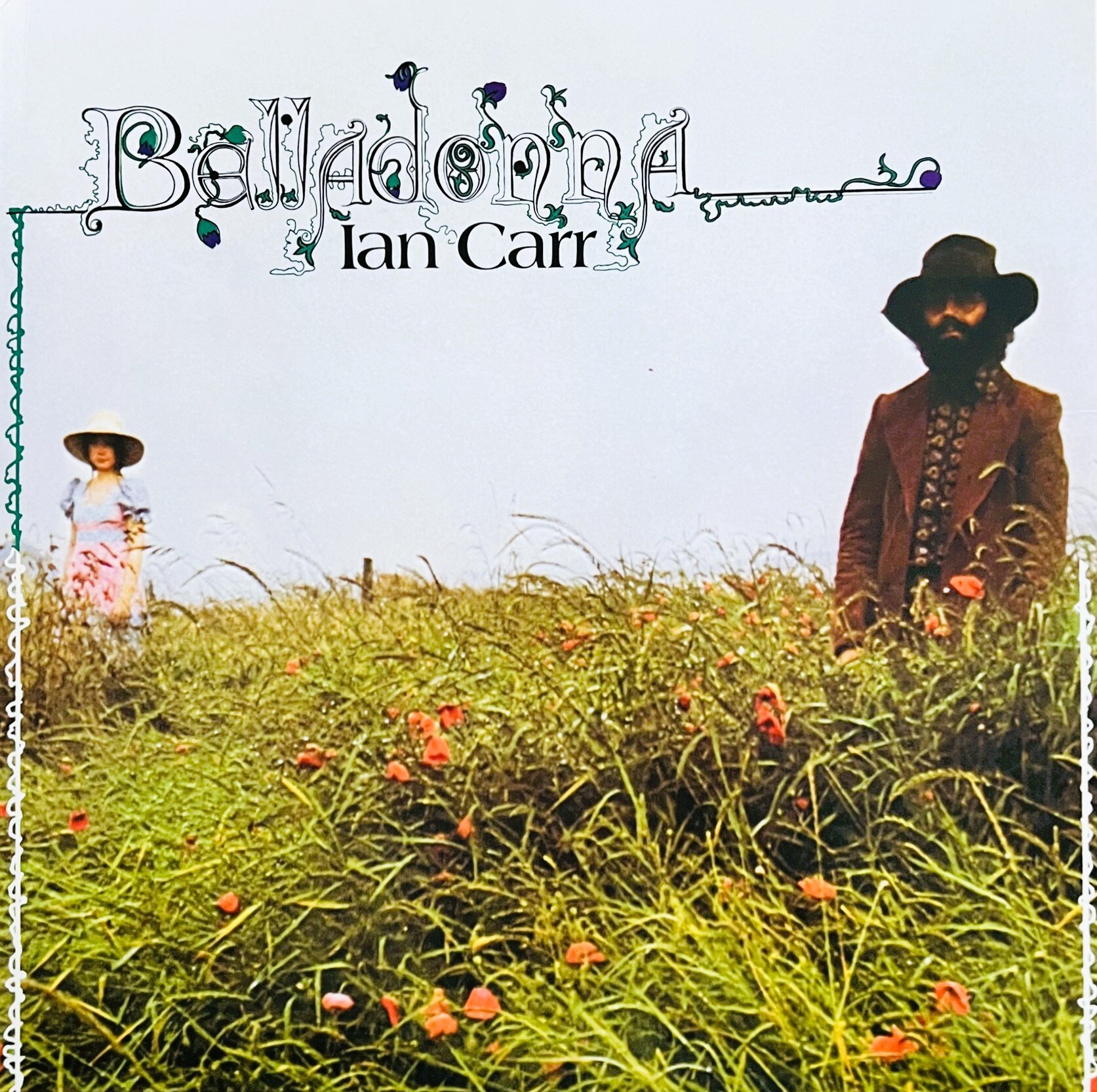
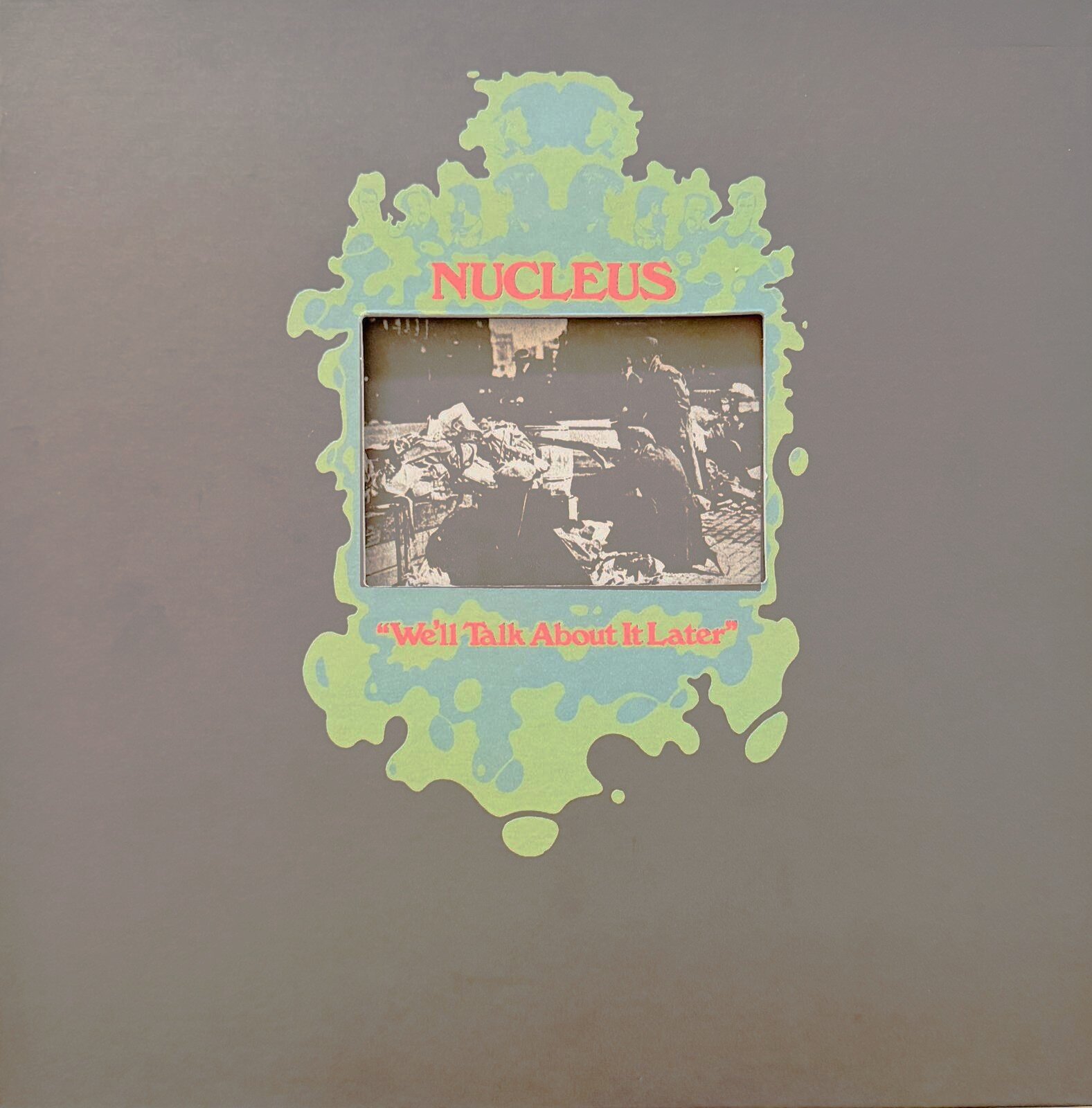
As often happened with Nucleus, Carr showed up in the studio with a completely new lineup.
Australian saxophonist Bob Bertles, who took Brian Smith’s place.
Guitarists Jocelyn Pitchen and Ken Shaw, who brought rock effects into the studio such as the wah-wah pedal.
The return of great pianist Gordon Beck, along with Geoff Castle on keyboards and synthesizers.
Bassist Roger Sutton and drummer Bryan Spring to round out the rhythm section.
The album title, “Under The Sun” (“Under the sun”), marks an important turning point for Ian Carr, both conceptually and spiritually. This change reflected both his personal outlook and that of the world around him.
In 1973, with the album “Roots” (“Roots”), Ian Carr had begun to explore, musically, the origins of humankind, the earth and nature. “Under The Sun” is its natural continuation. After exploring the underground “roots”, the band lifts its gaze to the sky, celebrating everything that lives and exists, precisely, “under the sun”. The track titles prove it: “Pastoral Graffiti” (“Pastoral graffiti”), “Feast Alfresco” (“Outdoor feast”) and “Rites of Man” (“Rites of man”) all evoke a strong bond with nature and open spaces.
The expression “Under the sun” is an ancient saying, also rooted in the biblical text of Ecclesiastes, and it refers to the whole earthly experience, everything that happens in the world of men. For Ian Carr, the album was meant to be a celebration of life and rebirth. Not by chance, the central piece of the suite is called “New Life” (“New life”).
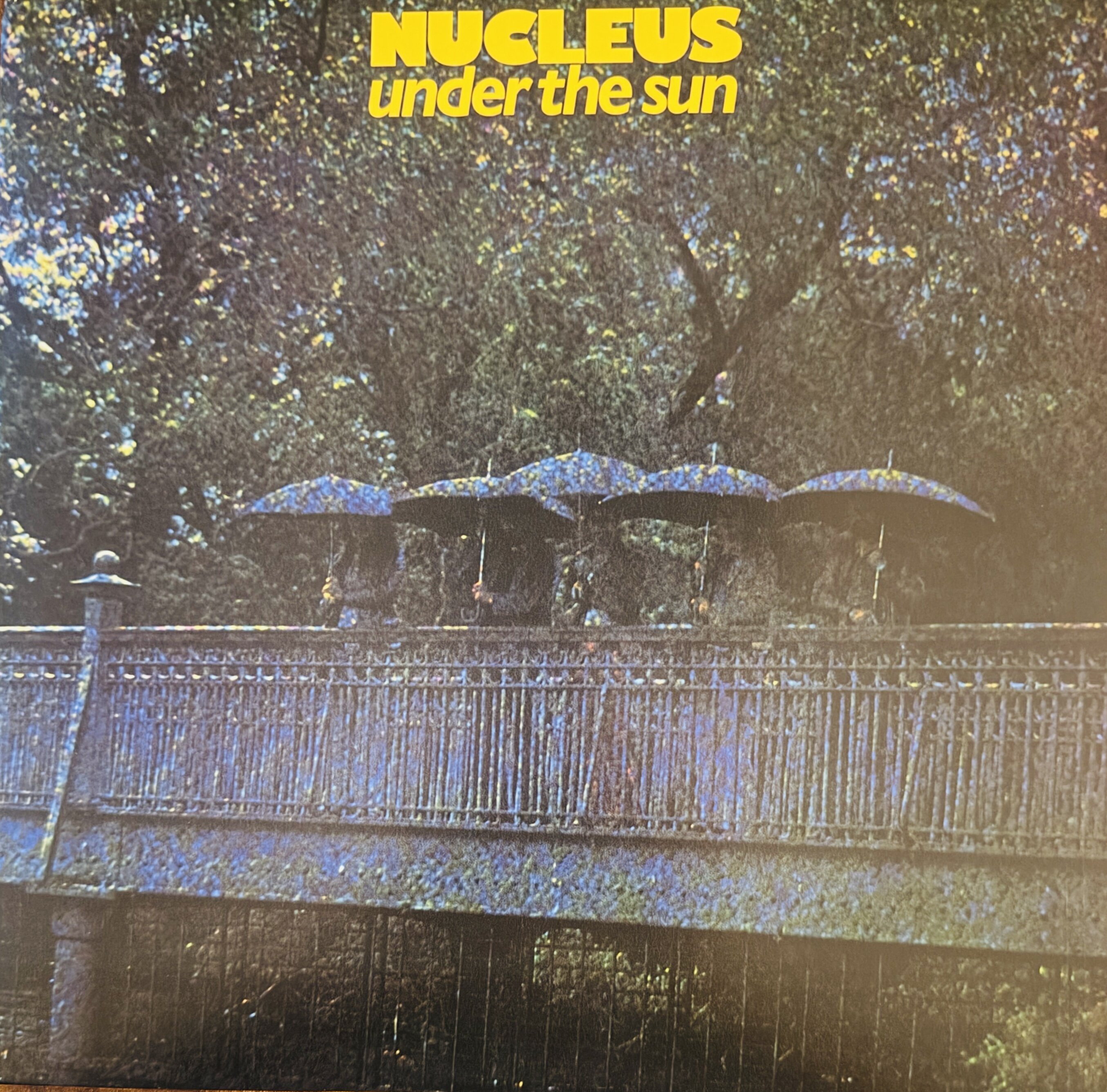
There’s also a vein of typical British humour and melancholy in the choice of title. Although the album is called "Under the sun", the cover shows a bleak, cold landscape, soaked by rain and covered with clouds. This visual contrast underlined how the sunniness and warmth of Nucleus’ music (strongly influenced on that record by the warm grooves of funk and American jazz) had to reckon with the grey reality and isolation of early-’70s Britain.
Under The Sun marks the shift from the cerebral jazz-rock of the early years to a hypnotic, rhythmic jazz-funk. Ian Carr draws inspiration from the electric experiments of Miles Davis but reworks them with his own European and progressive touch.
Roger Sutton’s bass and Bryan Spring’s drums leave traditional swing behind and focus on repetitive, driving rhythmic patterns, recalling funk and afrobeat. Gordon Beck’s electric piano is filtered through a ring modulator, creating distorted, metallic, spacey tones that float above the groove. Jocelyn Pitchen and Ken Shaw use wah-wah and distortion, bringing the record closer to the sound of psychedelic rock.
The tracks I enjoyed the most:
In Procession opens the album with a pressing odd-meter pulse and stages a super-tight dialogue between Carr’s trumpet and Bob Bertles’ sax, with the electric piano peeking in with its acidic forays.
The Addison Trip, a track written by drummer Bryan Spring, is the funkiest and most danceable on the album. A pulsing bass line lays the foundation, embellished by the wordless vocalisations of guest singer Kieran White, which blend perfectly with the horn section.
The suite “Sarsaparilla / Feast Alfresco / Rites Of Man” is a huge three-part composition that took up almost the whole B-side of the vinyl, a cinematic sound journey alternating orchestral, majestic moments with long free improvisations, where you can hear all the band’s alchemy.
But the masterpiece track for me is New Life, a piece of over 7 minutes that opens with a hypnotic, enveloping jazz-fusion atmosphere, driven by a deep bass figure over which horns and electric piano intertwine. Midway through there’s a stroke of genius: the music seems to fade in a deceptive fade-out. Instead of ending, the piece rises from its ashes with a new, super-powerful bass riff that pulls the whole band into a driving funk gallop. The track features a formidable rock guitar solo by Ken Shaw and the wanderings of Ian Carr’s trumpet filtered through the wah-wah pedal.
Under The Sun is a Nucleus album that deserves more attention than it has received. It’s not the revolutionary debut Elastic Rock (1970) nor the innovative We’ll Talk About It Later (1971), but in my view it represents the high point of their jazz-funk maturity.
Roger Sutton and Bryan Spring, in the rhythm section, are a perfect machine. The album flows with incredible rhythmic fluidity, making it much warmer and more accessible than the cold experiments of other bands of the time. While drawing on electric Miles Davis, Ian Carr manages to create a unique sound that doesn’t simply copy American jazz-rock. The album retains a lyrical, pastoral and sometimes melancholy vein that characterises British fusion. Electronic effects (like the ring modulator) and distorted rock guitars are used masterfully, enriching the music without ever becoming too intrusive.
The constant lineup changes in that period somewhat broke the cohesion they had at the beginning, even if the musicians’ technical level remains extremely high. It’s an album to listen to in one go, especially the second side. The lack of a strong, immediate standout track hurt it commercially when it came out.
Under The Sun is a small gem of ’70s fusion, a record that time has learned to appreciate. If back then it didn’t have the success it deserved, perhaps because the prog/fusion market was saturated, today it’s a real cult item for rare-vinyl lovers and for those who love jazz-funk. Its atmosphere is truly unique, a perfect mix of funk’s rhythmic grit and the sweet melancholy of English landscapes. Excellent album!
My Copy
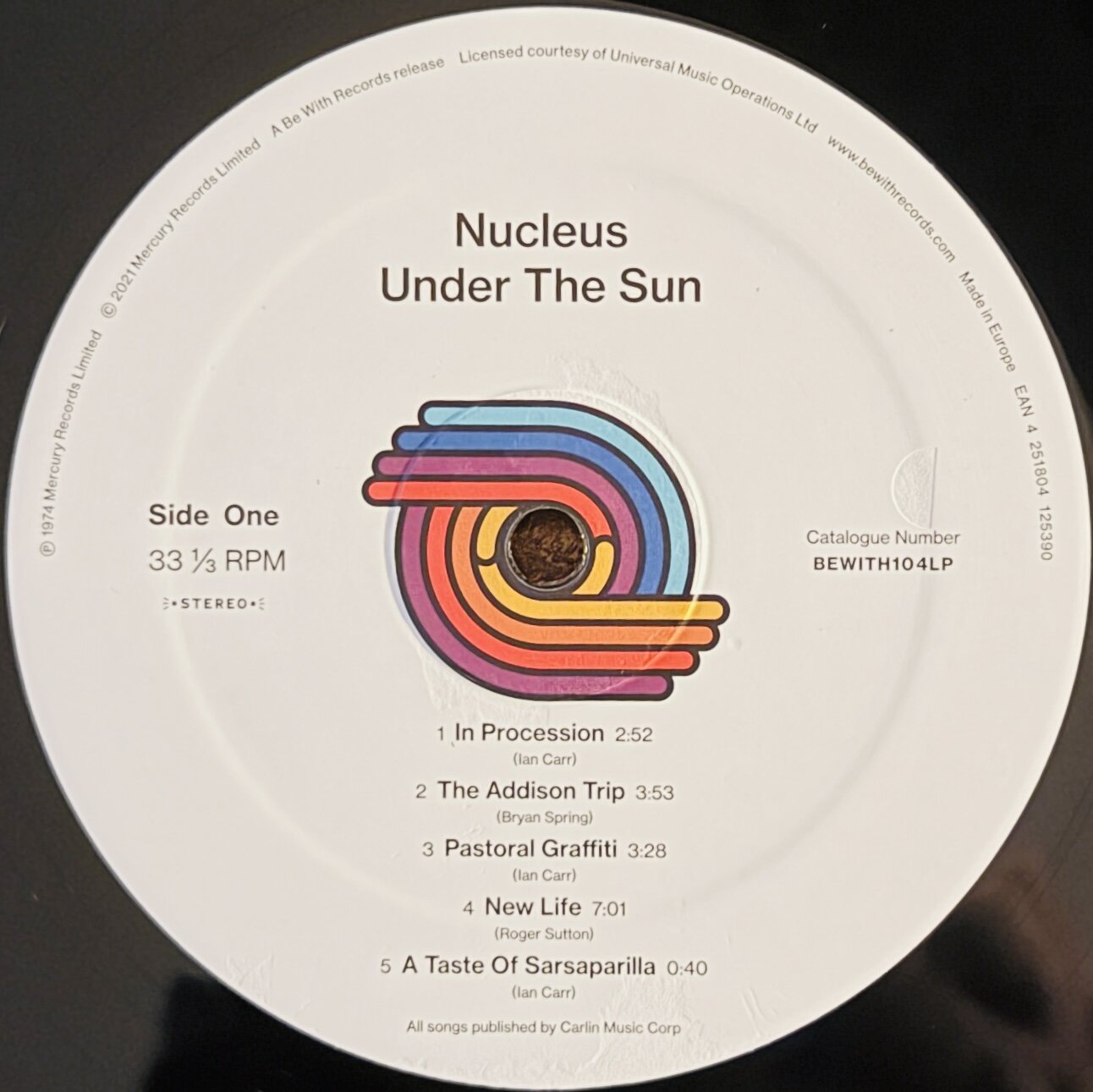
Label: Be With Records – BEWITH104LP
Format: Vinyl, LP, Album, Reissue
Country: UK
Released: 26 Aug 2022
Tracklist
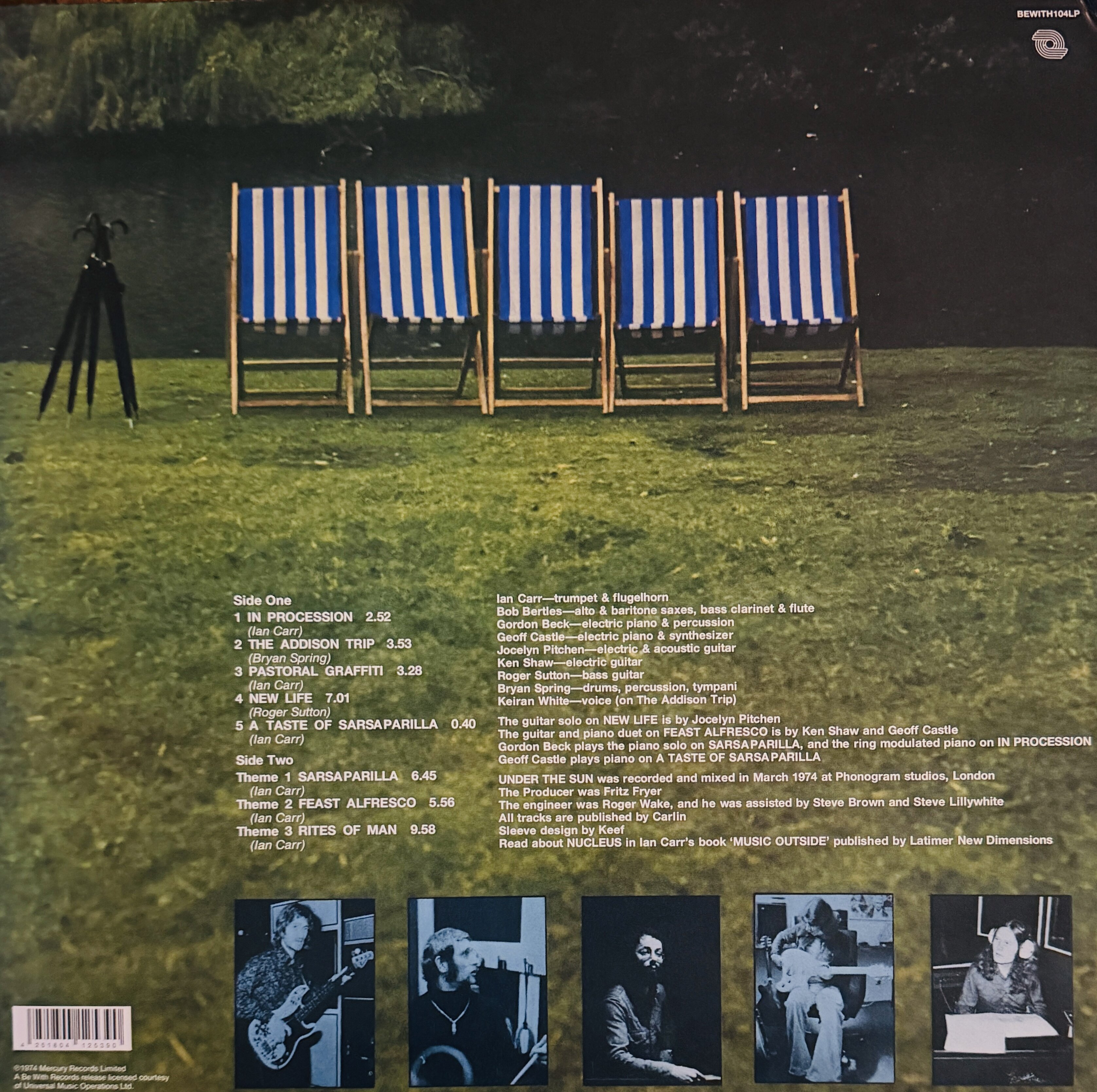
A1 In Procession 2:52
A2 The Addison Trip 3:53
A3 Pastoral Graffiti 3:28
A4 New Life 7:01
A5 A Taste Of Sarsaparilla 0:40
B1 Theme 1 Sarsaparilla 6:45
B2 Theme 2 Feast Alfresco 5:56
B3 Theme 3 Rites Of Man 9:58
Lineup
Alto Saxophone, Baritone Saxophone, Bass Clarinet, Flute – Bob Bertles
Bass – Roger Sutton
Drums, Percussion, Timpani – Bryan Spring
Electric Piano, Percussion – Gordon Beck
Electric Piano, Synthesizer – Geoff Castle
Guitar – Jocelyn Pitchen, Ken Shaw
Trumpet, Flugelhorn – Ian Carr